Current economic challenges are causing an increase in credit card debt. Recent data shows credit card balances rose by $21 billion in the second quarter of 2026, reaching $1.26 trillion. With average interest rates at 22.15%, borrowers face rising financial burdens.
The climbing debt, compounded by high interest rates, makes even minimum payments difficult. Rising costs and economic pressures like inflation add to this challenge. For those managing multiple credit cards, monthly payments can quickly become overwhelming.
Can You Adjust Your Minimum Credit Card Payment?
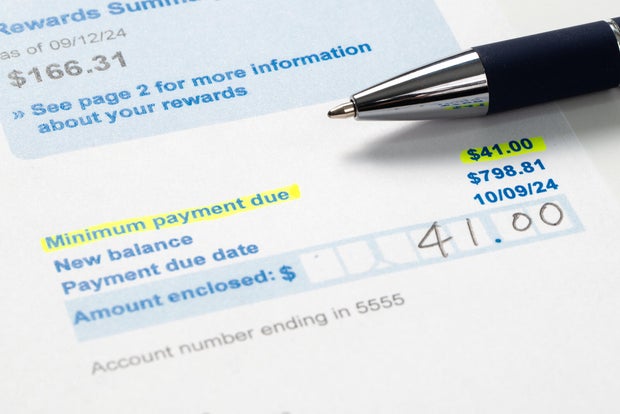
Negotiating directly for a lower minimum payment is unlikely. Issuers determine payment amounts based on account terms. These often involve a percentage of the balance, fixed amounts, or combinations including interest and fees.
If standard payments are unaffordable, contact your issuer. Many offer hardship programs for genuine financial struggles. Depending on your circumstances, these programs may reduce monthly payments, lower interest rates, waive fees, or adjust repayment terms—all without changing the official minimum payment formula.
A hardship program modifies the repayment terms rather than lowering the minimum due. Not complying with agreed payment terms without an arrangement can lead to fees, credit damage, or late payment notations.
Before missing a payment, reach out to your card issuer. Clearly explain financial changes and propose realistic payment options. Clarify the duration of any new arrangement, whether interest will continue, if your card might be restricted, and what happens post-hardship period. Evaluate whether the arrangement benefits your finances long-term.
Exploring Additional Debt Relief Options
A temporary decrease in payments might not be sufficient if you face multiple high balances or ongoing financial strain. Broader debt relief options could be necessary.
One potential solution is a debt management plan via a credit counseling agency. They can reduce interest rates and fees, creating manageable repayment terms. Clients then provide one payment to the agency, which distributes it to creditors.
Debt consolidation is another option. It involves obtaining a loan with favorable terms to repay multiple debts, simplifying payments. The effectiveness of consolidation depends on the loan’s interest rate, fees, and repayment timeline.
For severe financial hardship, consider debt settlement. This entails negotiating with creditors to settle for less than the full amount. While it could provide relief, it risks credit score damage, tax liabilities, and uncertain creditor agreements. Evaluate this option for significant debt issues, not merely to ease minimum payments.
Key Takeaways
While you can’t lower minimum payments arbitrarily, hardship programs can offer relief. If substantial debt feels overwhelming, explore comprehensive debt relief strategies. Taking proactive steps before falling behind is crucial to managing financial health.