
The American political landscape faces numerous challenges. Congressional operations often seem to move erratically from one deadline to the next. Presidents increasingly centralize power, and political factions perceive each other as existential threats.
Understanding the Current Political Climate
Recent years have seen significant shifts in how political processes function. Political polarization has intensified, creating an environment where compromise has become rare. The primary system and the near even split between the major political parties contribute to this polarization.
The Evolution of Political Power
Yuval Levin, director of Social, Cultural, and Constitutional Studies at the American Enterprise Institute, emphasizes the change in dynamics. The presidency, particularly during and after Donald Trump’s tenure, has seen shifts in its traditional roles and influences. These changes have redefined expectations and have potential long-term impacts on the Republican Party and the broader political framework.
Challenges in Negotiation and Governance
Levin points out that Congress no longer incentivizes negotiation and collaboration. This lack of reward for bipartisan cooperation has resulted in a stagnated legislative process. Policymakers are pressured by partisan interests rather than focusing on broader, more inclusive outcomes.
Pathways to Reform
For America to move forward, political reforms are necessary. Addressing the nature of primary elections and systemic incentives is crucial. Building a framework that encourages political compromise could reduce gridlock. Reforms should aim to re-establish negotiation as a valued political skill, fostering environments where diverse opinions are integrated into decision-making processes.
 Michigan Senate Debate Highlights Intense Personal Attacks
  Transforming Congress through Electoral Incentives
  The Nebraska Test: Evaluating Candidate Promises
  Economic Concerns in Iowa Amid Cultural Debates
  Trump’s Base Shows Signs of Shifting Ahead of Midterm Elections
 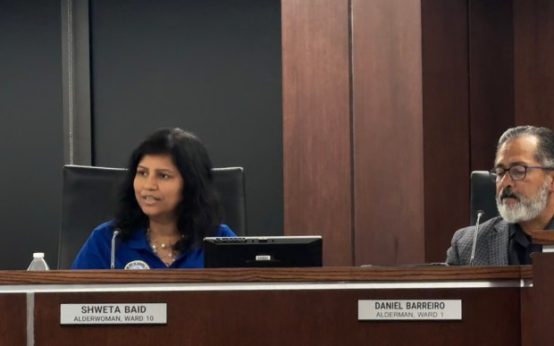 Debate Over Aurora Residency Rule for Department Heads Intensifies