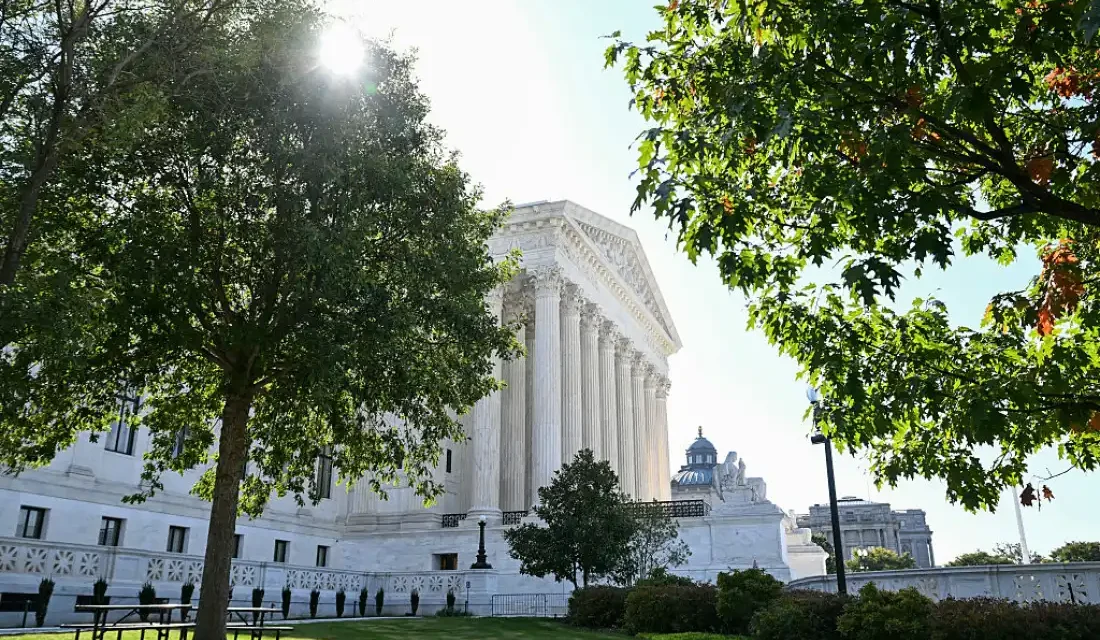
The Supreme Court in Washington, D.C., is hearing arguments involving the Catholic Church and taxpayer-funded school programs for 4-year-olds in Colorado. This case examines if religious schools can decline admissions for children of gay and transgender parents, opposing a state law against discrimination.
The First Amendment’s Establishment Clause asserts, “Congress shall make no law respecting an establishment of religion, or prohibiting the free exercise thereof.” Thomas Jefferson’s concept of a “wall of separation between church and state” was endorsed by the Supreme Court in the 1940s but has seen shifts in focus recently.
Law professor Frank Ravitch highlights a shift in judicial perspective toward protecting religious exercise. As an example, in 1983, the Supreme Court revoked Bob Jones University’s tax-exempt status due to racial discrimination, showcasing government non-support for religious-based discrimination.
According to Professor Douglas Laycock, race and slavery hold a distinct place in U.S. history, making comparisons to other groups unique. In Colorado, although discrimination by the Denver archdiocese is acknowledged, the core question remains whether it represents protected religious exercise.
The Supreme Court now emphasizes religious rights over separation concerns, sparking debates over its implications on anti-discrimination laws covering race, sex, religion, and more.
Colorado’s initiative, aimed at universal preschool access through a tobacco tax-funded benefit of $6,300 per child, includes religious schools in its program, providing they comply with anti-discrimination laws. State Rep. Emily Sirota emphasizes parental choice in 4-year-old education, noting Catholic Church endorsements and varied religious school participation.
However, legal challenges arose over enrollment refusal based on religious beliefs, led by the Denver Archdiocese and Becket Fund for Religious Liberty CEO Mark Rienzi, citing exclusion of religious schools based on state preferences.
While certain Catholic institutions support diversity and non-Catholic enrollments, the Denver Archdiocese experiences enrollment decline, closing preschools serving minority and low-income families. Archbishop James R. Golka criticizes secular influences affecting broader culture and educational values.
Superintendent Scott Elmer mentions infrequency of LGBTQ parental enrollments, as the Supreme Court explores expanding religious rights via judicial precedents.
In the Colorado case, the full Supreme Court will deliberate, reflecting previous close calls on taxpayer-funding religious charters. Berkeley Law School dean Erwin Chemerinsky questions the extent to which government will fund religious schools, given new legal landscapes.
The case follows recent Oklahoma court approval for a Jewish charter school using state funding, highlighting evolving religious education funding debates contingent on upcoming Supreme Court decisions.
 Guilty Plea Entered in Federal Court for Boulder Attack
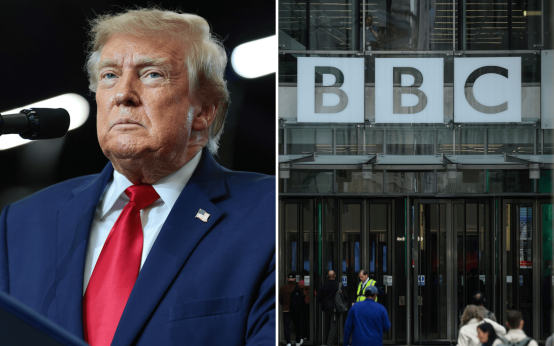 Judge Warns Trump on $10 Billion BBC Lawsuit
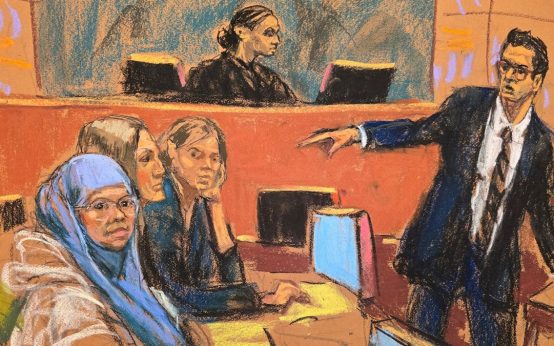 U.S. Citizen Convicted of Receiving Military Training from ISIS
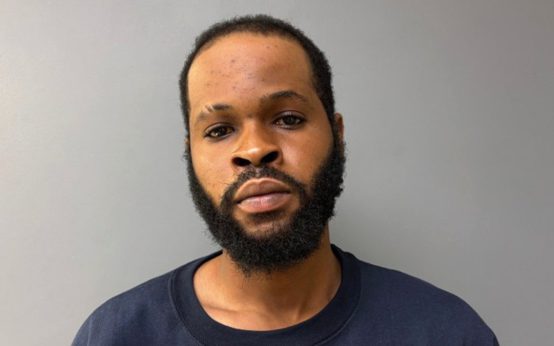 Haitian Immigrant Charged with Murder in Pennsylvania Walmart Shooting
 New Hampshire Man Pleads Guilty to Father’s Death After 20 Years
 Mother Arrested for 1997 Murder of Daughter Following Years as Fugitive