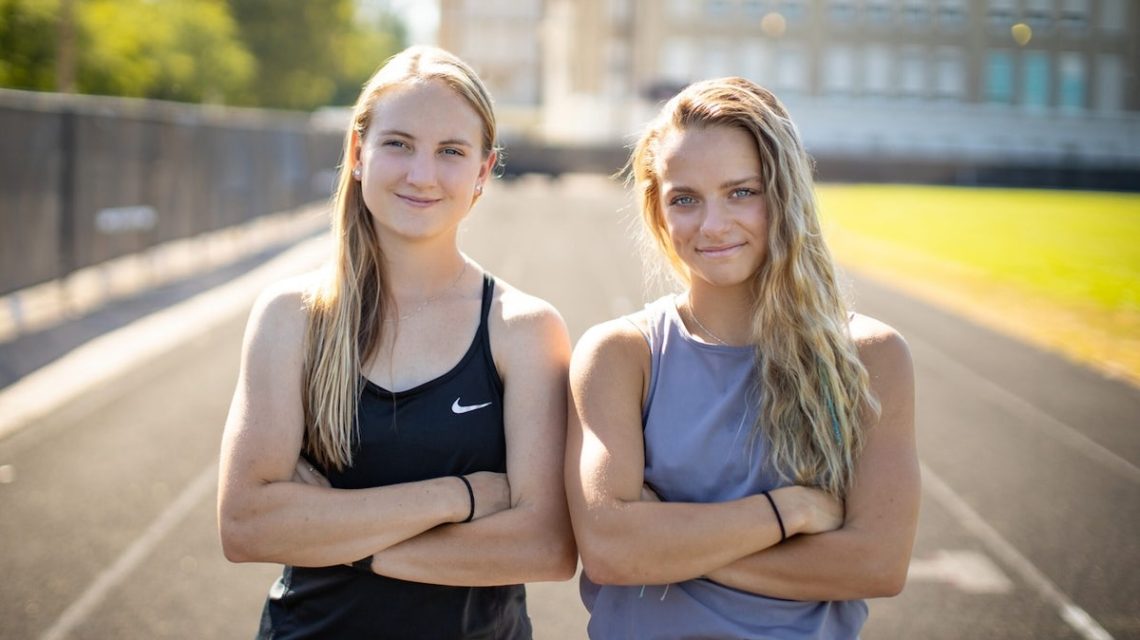
The U.S. Supreme Court has upheld laws in Idaho and West Virginia that ban biological males from participating in girls’ sports. These decisions affirm that transgender status is not protected like race or religion, giving states the authority to regulate athletics.
In the cases West Virginia v. B.P.J. and Little v. Hecox, the court’s ruling supports fairness and safety for female athletes by maintaining separate categories for women’s and men’s sports. Justice Clarence Thomas noted in his opinion that men and boys with gender dysphoria remain biologically male.
Impact on Women’s Sports
The decision affects laws in 27 states, encouraging others to follow suit. It seeks to preserve the integrity of women’s sports by acknowledging biological differences between the sexes. For many female athletes, fairness in competition is essential for reaching athletic and academic success through scholarships.
“Men and boys with gender dysphoria are not women or girls, even if they believe that they are.” – Justice Clarence Thomas
Athletes like Adaleia Cross have experienced displacement in rankings due to competing against male athletes, highlighting the necessity of these bans. Issues of privacy, safety, and equal opportunity have fueled these legal challenges.
Legal and Public Support
The court’s decision has been backed by notable figures such as West Virginia Attorney General J.B. McCuskey and Idaho Attorney General Raúl Labrador. Organizations like the Alliance Defending Freedom have played a significant role in litigating on behalf of female athletes.
Support for this decision extends beyond the courtroom. Parents, coaches, and community members have defended the rights of female athletes at various forums, emphasizing the importance of fair competition.
While the path to equitable sports is ongoing, this ruling marks significant progress. Women’s sports advocates, including college athletes like Lainey Armistead, Madison Kenyon, and Mary Kate Marshall, celebrate this decision as a step toward justice and common sense.
Continuing Advocacy
Though challenges remain, those in favor of the ban remain committed to advocating for women’s rights in sports. Many believe this ruling paves the way for further steps toward ensuring fairness and equality in athletic competition across all states.
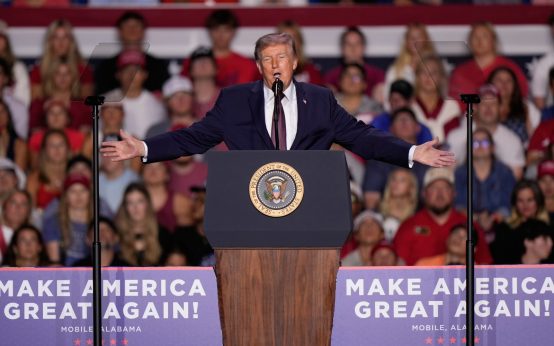 Trump Suggests Naming Alabama Bridge After Himself at Mobile Rally
  California’s Challenges Demand Local Solutions
 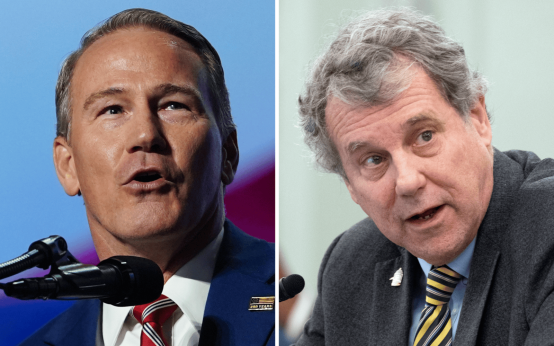 Republicans Intensify Investment in Ohio’s Senate Race Amid Tight Competition
  Debate Challenges in Texas Senate Race
 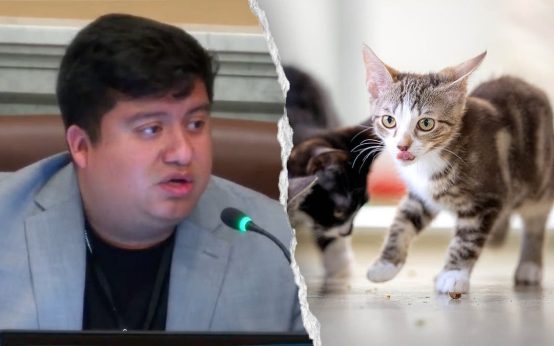 Minneapolis Council Member Criticized for Concerns Over Autonomous Vehicles
  Iowa Senate Candidates Face Scrutiny Over Voting Records