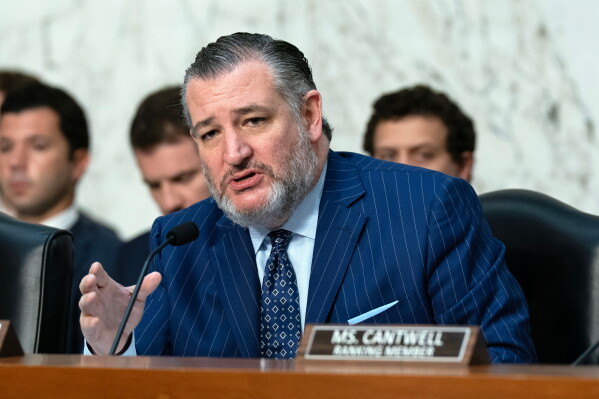
The relationship between President Donald Trump and Senate Republicans is increasingly tense. Recent actions by Trump have intensified frustrations. He delayed Jay Clayton’s nomination as national intelligence director, moments before Clayton’s confirmation hearing was scheduled. Trump’s insistence on renegotiating the renewal of vital surveillance laws also raised tensions.
This downward trend started weeks ago. The strained relations were evident when some Republican senators openly criticized Trump over his deal to end the Iran war. Senator Bill Cassidy, R-La., commented on X, “This is the worst foreign policy blunder in decades.” The unity between Trump and Senate Republicans, once strong, has unraveled.
Last year, Senate Republicans collaborated with Trump to pass substantial spending and tax cuts. Criticism was scarce then, as the focus was on leveraging that achievement in the midterms. Now, as the election nears, Trump’s conduct has led to public criticisms. Senator Thom Tillis, R-N.C., expressed frustration after Clayton’s hearing was postponed. There’s a visible shift in Trump’s priorities, with less interest in the GOP agenda and more emphasis on his voting legislation, known as the SAVE America Act.
“I think somebody’s not dialing the president into the complexities of what he’s done here.”
The discord has halted much Senate activity. Several Republican senators are defensive, especially those facing re-election. Senate Majority Leader John Thune finds himself in a challenging position, pressured by Trump on the voting bill, but aware of the votes’ insufficiency. Trump, intent on passing the bill, warned that failure would make him “the last Republican president.” Thune resists scrapping the filibuster and openly communicates the barriers to Trump.
Despite relentless pressure, Thune hasn’t faced Trump’s personal attacks, which his predecessor, Sen. Mitch McConnell, R-Ky., did. Thune often delivers unfavorable news but retains a good working relationship with Trump. Missouri Sen. Eric Schmitt confirmed that Trump hasn’t disparaged Thune. Thune’s leadership is valued for its stability during these tumultuous times.
No mass dissent within the GOP appears imminent, despite Trump’s growing list of critics. Among them is Sen. Cassidy, who called out the president’s risky decisions. Criticism even comes from allies, especially regarding Trump’s suggested $1.776 billion fund for political associates and his choice for acting intelligence director, Bill Pulte. Other Republicans, like Sen. Mike Lee, R-Utah, face backlash within the party for agitating against the filibuster.
Sen. John Cornyn from Texas contended with Lee’s aggressive stance. Lee advocates for action despite lacking votes, aiming to disassemble the filibuster. Cornyn suggested on social media that Lee should “prove us wrong” by acquiring the necessary support. Though some Republicans still stand by Trump, like Sen. Bernie Moreno, R-Ohio, who defended Trump’s Iran deal suggesting it’d merit a Nobel Peace Prize, numbers are dwindling. Recent elections dethroned loyalists like Cassidy and Cornyn, who lost primaries against Trump-endorsed candidates.
Consequently, former Trump supporters have become vocal critics. Cornyn, after his loss, shared a fable online implying self-destruction through inherent behavior. Trump’s decreasing number of allies suggests a shifting political landscape within the Republican Party.
 Public Discontent with Trump’s Second Term
  The Ongoing Debate Over the Death Penalty: A Case in Tennessee
 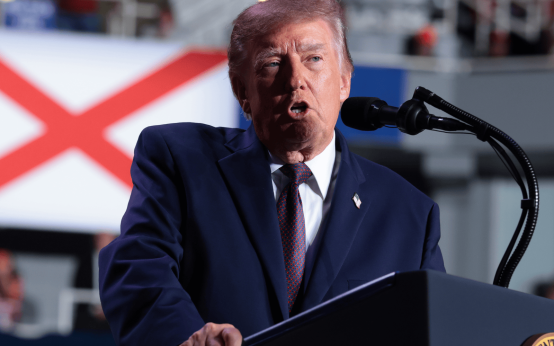 Trump Offers $5,000 Proposal to Boost Republican Election Prospects
  Partisan Tensions in Congressional Hearings
 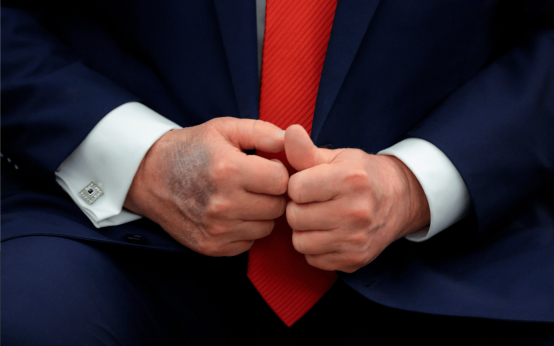 Trump Defends Daily Aspirin Use Amid Health Scrutiny
 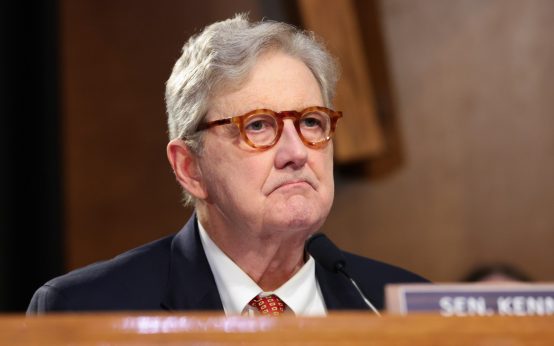 Senator Kennedy Warns GOP on Voter Concerns Over Cost of Living