Trial Insights
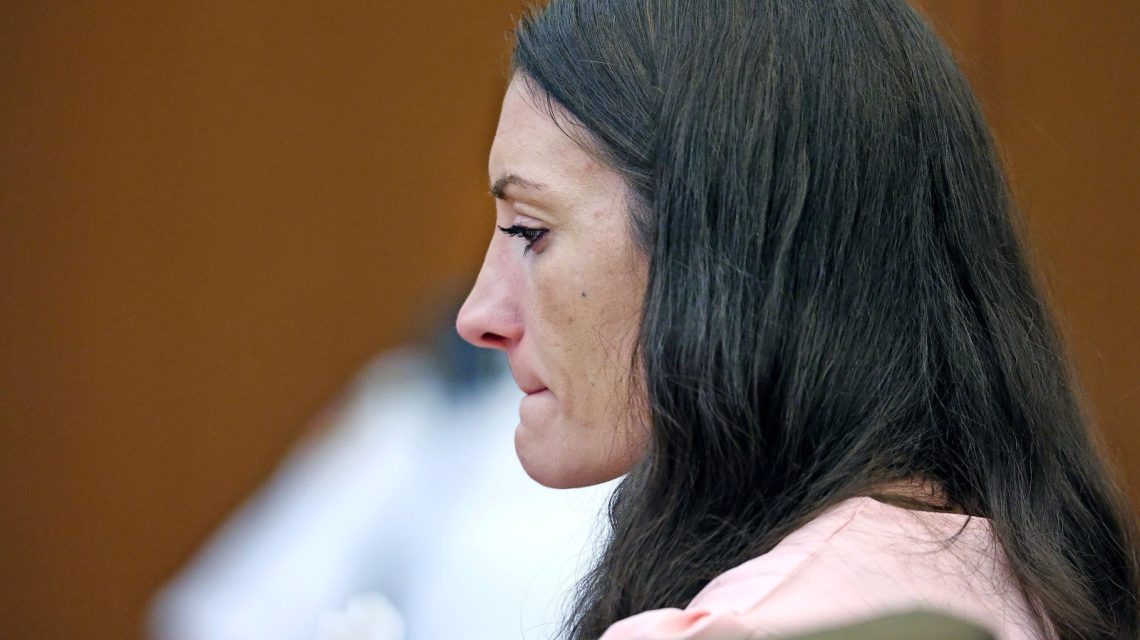
The trial of Lindsay Clancy turned tense when the defense introduced a new witness. Fresh evidence presented emphasized her declining mental health. The case hinges on whether Clancy comprehended her actions, which led to the tragic loss of her three children.
Psychiatric Symptoms Spotlighted
Rebecca Jollotta, a psychiatric nurse practitioner, outlined symptoms pointing to bipolar disorder and a ‘mixed manic state.’ Clancy showed signs such as pressured speech, racing thoughts, and insomnia. Jollotta recommended increasing her Seroquel dosage and enrolling in a partial hospitalization program, warning of her acute, unstable condition.
Jollotta’s insights support claims of missed red flags by Clancy’s health providers. She raised the issue of possible bipolar disorder, but her concerns were dismissed by Clancy’s husband.
Debate on Postpartum Psychosis
During her redirect examination, Jollotta asserted that Clancy was not experiencing postpartum psychosis. She found Clancy’s thought process linear and goal-directed without hallucinations. This testimony clashes with the defense’s claim that Clancy was in the grip of psychosis during the killings.
‘Good Moms Have Scary Thoughts’
The book “Good Moms Have Scary Thoughts” was found in Clancy’s home. Recommended by Jollotta, it has become symbolic in the trial. The book addresses intrusive thoughts common among new mothers. Prosecutors argue it shows Clancy sought help and understood her mental state.
MyChart Messages Reveal Mental Decline
Jurors reviewed MyChart messages detailing Clancy’s struggle with insomnia, medication side effects, and anxiety. She expressed dependency fears on Ativan, discussing her feelings of numbness and intrusive thoughts. These messages underscore her deteriorating mental state, key to the defense’s argument.
Defense’s New Witness: TikTok Therapist
Defense attorney Kevin Reddington introduced Emily Thorndike as a witness. Thorndike, formerly of McLean Hospital, criticized it in a TikTok video. The hospital was described as understaffed and challenging, especially during holidays. Prosecutors noted Thorndike’s public remarks about the trial, questioning her reliability.
Additional Testimony Highlights
Jollotta’s testimony also covered Clancy’s ongoing concern over medications and the role of doctors in her treatment plan. The defense suggested Clancy was striving to reduce medications while highlighting her documented medication-related depression. Prosecutors maintained that Clancy, as a patient, had ultimate decision-making authority over her treatment.
A call by Clancy’s husband in late December seeking her direct admission to McLean Hospital underscores the crisis they faced. This timeline is crucial to understanding Clancy’s mental decline leading up to the incident.
Ongoing Trial Developments
The trial continues as both sides build their cases. The jury must determine if Clancy was legally responsible for her children’s deaths or if her mental illness impeded her judgment.