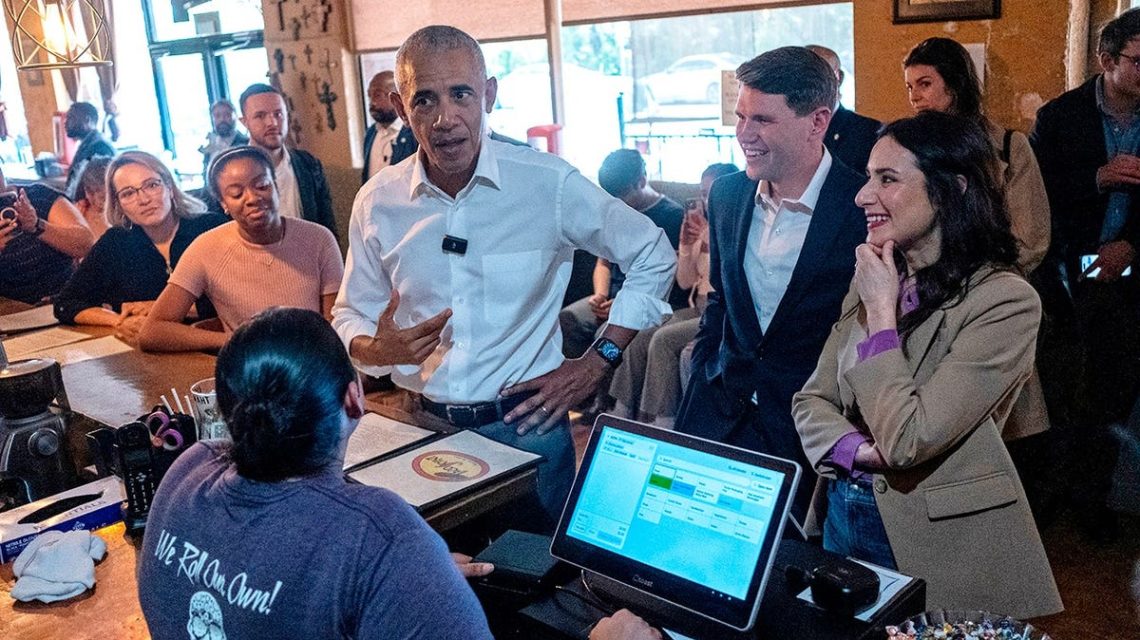
Following the recent election outcomes, Texas did not immediately transform into California, yet significant political changes occurred. The state saw the Democratic Party making gains in traditionally Republican strongholds. Despite these shifts, Republicans still maintain a strong presence in key areas.
Political Landscape
While Democrats took control of the Texas House of Representatives, Republicans retained control of the state Senate. The Republican majority also persists in the Texas Supreme Court, along with a significant presence in the Railroad Commission, which regulates vital industries like oil and gas.
Governor-elect Gina Hinojosa
Democrat Gina Hinojosa, the new governor-elect, is set to bring diverse priorities and a different governing approach. With a background as a labor attorney, she played a role in the legal actions against former Republican House Majority Leader Tom DeLay. Her career includes service on the Austin Independent School District board, tackling challenges like declining enrollments.
Four Key Areas to Watch
Taxes and Spending
Texas’s history of lower taxes and limited government intervention fueled economic growth and attracted new residents. While immediate changes seem unlikely, there could be gradual shifts as other states vie to attract talent and investment.
Regulation and Legal Environment
Texas has seen its ranking in the national lawsuit climate decline since its last major tort reform in 2003. Hinojosa’s leadership might result in bolstering the trial bar, potentially affecting economic growth and increasing living costs. Changes in the Business Court and Fifteenth Court of Appeals might shift the balance against large employers.
The incoming administration has already acted on Elon Musk’s SpaceX interests in Texas. Observers wonder if Hinojosa will challenge Musk further, risking job creation and innovation.
Culture and Higher Education
Hinojosa’s victory could lead to significant shifts regarding diversity, equity, and inclusion (DEI) policies. Changes in higher education governance and potential reversals of previous bans on DEI practices might occur under her administration.
Border Security
Changes in border policy could happen quickly under Hinojosa’s tenure. Texas, in collaboration with federal efforts, has been addressing border security issues, including combatting human trafficking and drug smuggling. The state’s contribution to border security efforts, including personnel from the National Guard and Department of Public Safety, underscores the significance of this issue.
By reducing state law enforcement presence, there may be a rise in illegal crossings leading to more fentanyl and human trafficking incidents. These outcomes are not inevitable and depend on policy decisions moving forward.
While Texas’s advantages in areas like taxes, regulation, and energy remain intact, the coming years will determine how closely Texas aligns with policies seen in California and other states.
Chuck DeVore is a vice president with the Texas Public Policy Foundation and a former California legislator.
 Highlights from Recent News Stories
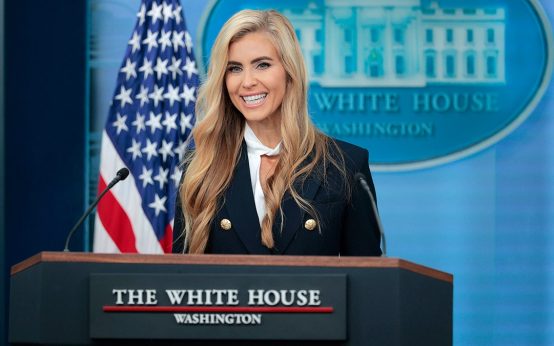 Former Press Secretary Criticizes GOP’s Election Strategies
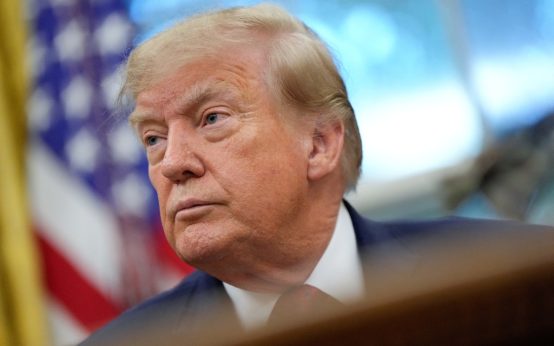 Trump and Cornyn Clash Over Judicial Nomination
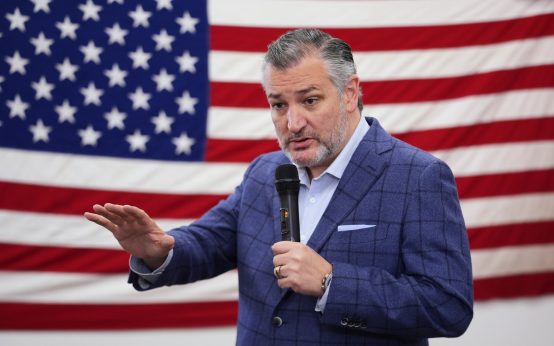 Ted Cruz and James Talarico Discuss Texas Space Academy Proposal
 Newly Proposed Legislation Aims to Ease Family Travel
 Trump Open to Bipartisan Health Care Plan with Democrats