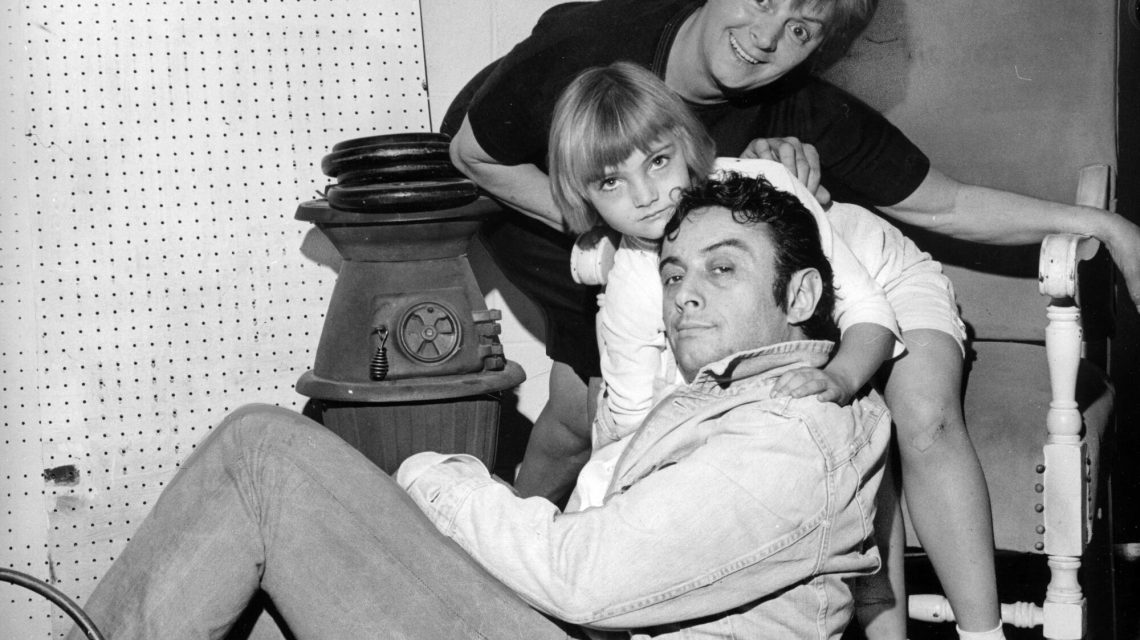
Lenny Bruce: On the Witness Stand
Lenny Bruce, a comedian known for pushing boundaries, found himself defending his art in court. Night after night, Bruce delivered bold political satire and sharp critiques of the powerful. His language was raw and unrestrained, setting a new precedent for future comedians. Yet, in February 1963, Bruce faced obscenity charges in Beverly Hills. The prosecutor sought to understand the purpose behind his controversial performances.
Bruce’s Motivation: Compassion and Critique
Bruce expressed a desire for audiences to cultivate compassion. He criticized the authorities for filling jails with the undeserving. Describing his trial as a waste of resources, he labeled it “insanity.” The charges stemmed from his acts at The Troubadour and The Unicorn, where his language shocked many. This case was neither his first trial nor his last such encounter.
A Career in Legal Battles
Bruce’s combative relationship with law enforcement extended beyond obscenity charges. Accusations of drug use also plagued him. He carried a doctor’s note for intravenous methamphetamine to justify needle marks on his arms, a byproduct of legal pressures rather than mere addiction.
The Decline and Impact
Years of legal battles left Bruce drained. His performances devolved into monotonous accounts of his legal struggles. Audiences dwindled. When he died in 1966 at age 40 from a heroin overdose, the authorities, who had long pursued him, orchestrated a gruesome spectacle. They invited the press into his home to capture his last moments, perpetuating the unsavory image of Bruce.
Bruce’s Enduring Legacy
Despite his tragic demise, Bruce’s impact endured. He became a symbol of free speech and artistic license, championed by figures like Phil Spector and portrayed in various media. Comedian Eddie Izzard and others hailed him as a martyr for freedom of expression.
Breaking Away from Convention
Lenny Bruce was born Leonard Alfred Schneider. He left school at 16 and honed his craft in low-key venues, developing a style akin to improvisational jazz. His act tackled organized religion, prejudice, and hypocrisy. Terms like “segregation” and figures like Arkansas’s Governor Faubus drew his ire. His style likened him to a preacher, advocating against taboos.
Trials and Tribulations
The Beverly Hills trial, one of many, showcased Bruce’s confrontations with law enforcement. Vice squad officer Sherman Block, who shared Bruce’s Jewish heritage, testified against him. The defense humorously highlighted the familiarity of the Yiddish terms used in Bruce’s act. The trial ended with a hung jury, yet Bruce’s encounters with law persisted.
A Career Defined by Conflict
Bruce’s arrests continued, including a notable trial where Johnnie Cochran, then a deputy city attorney, prosecuted him. Even as obscenity law evolved to protect artists, Bruce’s controversial material often found him at odds with authorities. Despite initial successes, he faced convictions, affecting both his career and personal life.
A Complex Cultural Shift
Bruce’s work later met with mixed reactions. He used slurs to desensitize their impact, a practice unlike current norms. This evolution of societal sensitivity resulted in projects like Michael Weller’s play being canceled due to student protests. Bruce’s legacy, while celebrated for its advocacy, also faced criticism.
Reflections on Bruce’s Influence
After his death, Bruce’s influence remained a topic of debate. Some praised him for breaking boundaries at personal cost, while others, like 1st Amendment scholar Ronald Collins, acknowledged the discomfort his act might cause today. His story reflects the complexities of cultural values and the lasting impact of his rebellious spirit on comedy.
 New York Magazine’s First Men’s Style Issue Stirs Debate
  Art Collective Strikes with Game Console Installation on National Mall
  American Hagwon: A Journey Through the Korean Diaspora
 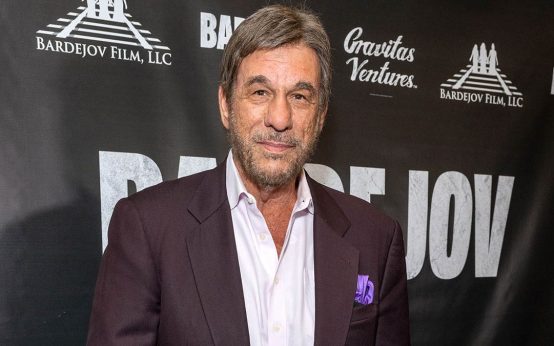 Robert Davi Leaves California Due to Crime and Political Issues
 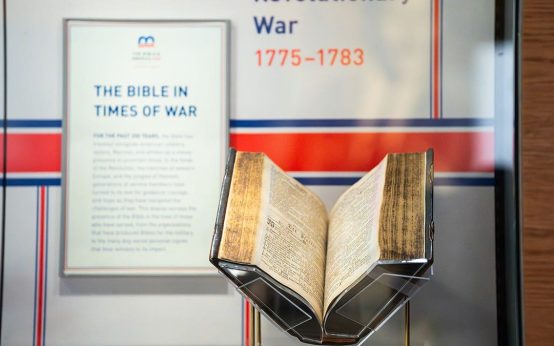 Bible’s Role in War: A Historical Exhibition
  Arrival of Giant Pandas Strengthens U.S.-China Relations