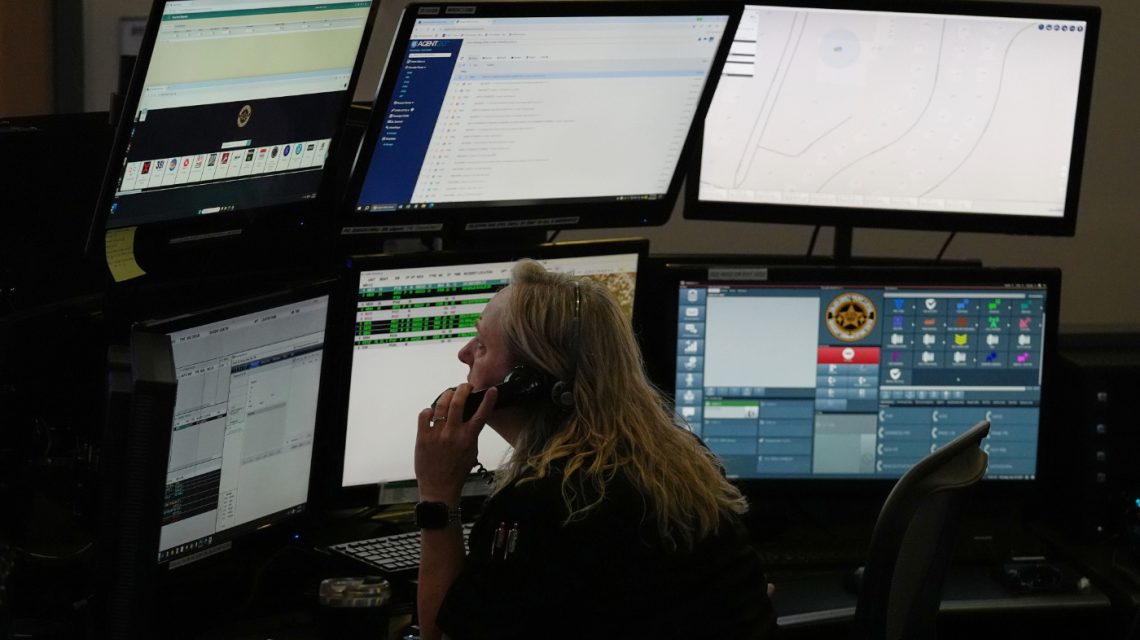
Donna Bocik, a dispatcher at the Collier County Emergency Services Center in Naples, Florida, responded to a 911 call on July 11, 2025. This incident serves as a reminder of the everyday challenges faced by 911 professionals.
Back in 2019, Tim Teneyck, an Ohio 911 responder, encountered a unique call when someone attempted to order a pizza. Initially, he thought it was a wrong number. However, he soon realized the call was a coded plea for help during a domestic violence situation. This quick thinking highlights the crucial role 911 professionals play.
Roughly 450 calls are made to 911 every minute across the country. Research into the 60-year history of America’s 911 system shows that dispatchers are vital first responders. They save lives daily. Sadly, federal labor laws currently classify these professionals as administrative workers, not emergency responders.
Legislative Changes Needed
The Senate has passed legislation to reclassify 911 workers as “protective service personnel.” This change is vital, acknowledging their essential role. Congress should prioritize this matter before the session closes.
When people think of first responders, they often picture police or firefighters. Yet, 911 workers face situations involving kidnappings, nonaccidental deaths, assaults, and suicides. These distressing calls can severely impact their mental health.
Nearly half of 911 responders report handling emergency calls about kidnappings or hostage situations. About 42% have been involved in nonaccidental death cases and 37% in serious assaults. Additionally, mass shootings result in a flood of traumatic calls.
911 professionals face high risks of anxiety, PTSD, and depression. They experience these issues at much higher rates than average individuals and even police officers. Yet, they often lack adequate training and support.
The Role of Gender Discrimination
Research shows that gender discrimination impacts the support 911 workers receive. Historically, women were employed in these roles due to stereotypes about their listening skills. This created pay and benefit discrepancies that persist today. Women constitute nearly 80% of 911 professionals, struggling within an unfair system.
Congresswoman Norma Torres, a former 911 worker, has spoken about the challenges faced by dispatchers. These include being underestimated and ignored by fellow emergency personnel, making public safety tasks harder.
The current classification of 911 professionals as administrative workers is linked to gender bias. They are often compared to clerical roles dominated by women, unlike police and firefighters.
State-Level Reclassification and Federal Action
Eighteen states have already reclassified 911 professionals as first responders. This allows them access to pension and retirement benefits similar to police officers. States like Washington and Arizona have made this change.
On September 10, 2025, the Senate unanimously passed the Enhancing First Response Act. One day short of the 24th anniversary of the 9/11 attacks, this legislation emphasizes the importance of supporting first responders. The House should act swiftly to pass this bill.
The people who handle our 911 calls warrant respect from callers, colleagues, and the nation. They may be your first contact during one of your worst days.
Rebecca Neusteter, executive director of the Health Lab at the University of Chicago Harris School of Public Policy, underscores these points in her book, “911, What’s Your Emergency? The Promise and Peril of Crisis Response,” released on September 15.