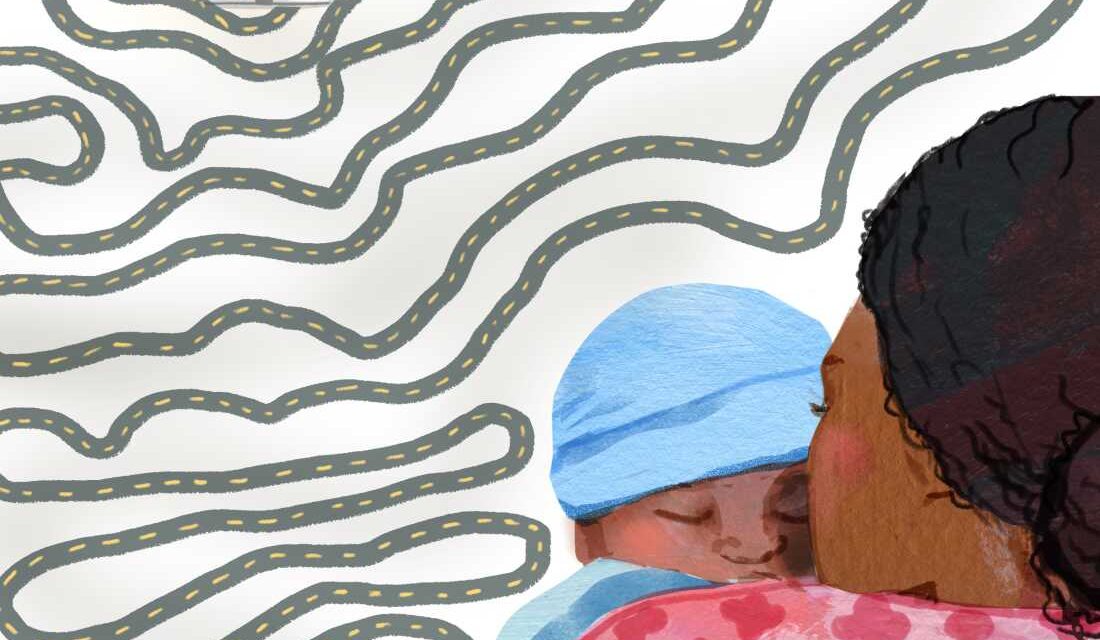
Midwives play a crucial role in providing care to pregnant women and delivering babies, especially as maternity care deserts spread throughout the U.S. Nadia Gramby, a midwife in Alabama, exemplifies this important work. As more than 52% of U.S. counties lack hospital-based labor and delivery services, midwives like Gramby become lifelines for expectant mothers.
During her quiet mornings, Nadia Gramby enjoys moments with her baby daughter, River Emmanuel, who is beginning to speak. Alongside being a mother and wife, Gramby dedicates herself to midwifery, offering care to mothers and babies across Alabama. She often travels vast distances to ensure safe deliveries, responding to a growing need highlighted by the March of Dimes’ “Nowhere to Go” report. Over 35% of counties are classified as maternity care deserts with no birthing facilities or obstetric clinicians.
Maternity Care Deserts and Their Impact
Dr. Michael Warren from the March of Dimes emphasizes the serious consequences of living in maternity care deserts. Women in these areas face higher risks of pregnancy complications and poor birth outcomes. The CDC reports that over 20,000 infants in the U.S. die before reaching their first birthday annually, with around 600 women succumbing to pregnancy-related complications each year. These dangers disproportionately affect women of color, with Indigenous and Black women experiencing higher mortality rates than white women.
Miles for Moms
Gramby’s commitment leads her to drive hundreds of miles in a single day, visiting families from Anniston to Alabaster. Her practice, Crown of Glory Birth Services, founded in 2018, aims to fill the gap in maternity desert care. As one of only 1,200 Black midwives in the U.S., Gramby highlights the personal and holistic aspect of midwifery, addressing not only physical needs but also emotional and spiritual well-being.
Her role involves not just childbirth, but also postnatal visits, offering support and care typically unavailable in maternity care deserts. Midwifery services result in fewer cesareans and complications, with midwives attending births alongside doctors, in birth centers, and homes. Collaborating with doulas, midwives provide comprehensive non-medical support.
Challenges and Opportunities in Maternity Care
The March of Dimes reveals persistent barriers to maternity care, exacerbated by recent healthcare policies and workforce shortages. Over 500 hospitals closed maternity wards between 2010 and 2022, raising concerns in both urban and rural communities. New legislation has limited Medicaid funding and increased challenges for affordable care options, impacting maternal and infant health outcomes.
With closures often involving the only birthing facility in a county, the situation worsens the maternal health crisis in the U.S., described as one of the most dangerous developed nations for childbirth. The risks are especially high for Black and brown mothers, who face significant disparities.
Expanding Access to Midwifery Care
Midwives like Gramby are integral to improving access to care, offering personalized attention and medical expertise. However, insurance coverage and restrictive state laws limit the full potential of midwifery care. Legal challenges in states like Alabama highlight the ongoing struggle for independent practice rights and hospital privileges.
Gramby and the March of Dimes advocate for policy changes to support midwives and improve maternal health outcomes. Success involves collaboration among healthcare providers and a commitment to listening to and respecting all mothers.
Through dedication and resilience, Gramby aims to ensure every mother and baby receives the care they deserve, fostering hope for a better future in maternity care.
 VA Enhances Suicide Prevention Efforts with $112 Million in Grants
  State Funding Urgency for Psychiatric Hospitals
  State Needs to Increase Funding for Psychiatric Hospitals
  Trump Administration Issues Refunds to ACA Enrollees
  Study Links Ultra-Processed Foods to Health Risks
  Psychiatrists Rethink Diagnoses with Social Media Trends