Sports have deeply influenced my life. My parents met at a track meet at the University of Florida, and my mom was a track coach at the Colorado School of Mines. I grew up watching her coach, which sparked my passion for athletics.
Throughout my childhood, I was involved in many sports, but throwing was my true interest. Early exposure to college track showed me the possibilities athletics could offer. I worked hard to reach Division I, winning high school championships and forming friendships nationwide. Track and field shaped me.
Being a student-athlete at Clemson University has been transformative. Clemson offers facilities and a supportive community that challenge me daily to improve my skills. My experiences at Clemson have pushed me to pursue a B.S. and M.P.A., leadership roles, internships, and volunteer work, thanks to the encouragement from my coaches.
Every American athlete should have the chance to live their dreams. Sports teach important life skills such as hard work, overcoming challenges, and time management. Congress must protect these opportunities. The NCAA faces chaos from legal decisions and varying state laws.
Well-funded schools like Clemson support athletes, but disparities between Power 4 and mid-major programs hinder opportunities for high school athletes. Roster caps, transfer portal reliance, and eligibility waivers reduce walk-on spots and compress recruiting pipelines. Budget constraints lead to cutting sports and reducing championship sponsorship.
Revenue sharing and Name, Image, Likeness (NIL) have benefits and drawbacks. Revenue sports deserve sharing their value, but there are risks of exploitation from unregistered agents and excessive fees. The transfer portal disrupts team loyalty and tradition, complicating team culture.
Without intervention, college sports face decline. Congress’s action is crucial not only for current athletes but for future generations aspiring to compete in the NCAA. The Protect College Sports Act, S. 4668, offers a framework for revenue sharing, NIL regulations, transfer policies, and eligibility, protecting non-revenue sports and student-athletes.
Failure to act may eliminate future opportunities that have positively impacted my life. College athletics have the potential to change lives, and protecting them is vital. Ella Brooks is a junior on the women’s track team at Clemson University, studying political science and serves as vice president of external affairs for Clemson’s Student-Athlete Advisory Committee.
 New York Knicks Consider James Wiseman for Roster Spot
  Caleb Williams Injury Update: Minor Setback for Chicago Bears’ Quarterback
 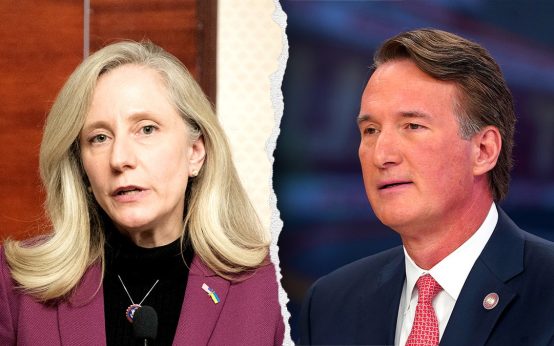 Virginia Gov. Abigail Spanberger Ends Division of School Sports by Sex
 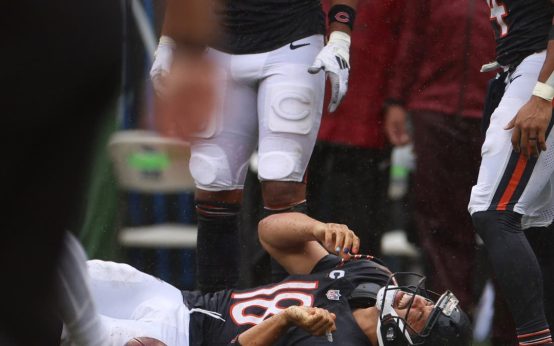 Caleb Williams’ Injury Update Provides Relief for Chicago Bears
  Monday Night Football: Giants vs. Rams Analysis
  Roman Kantserov’s Journey with the Chicago Blackhawks