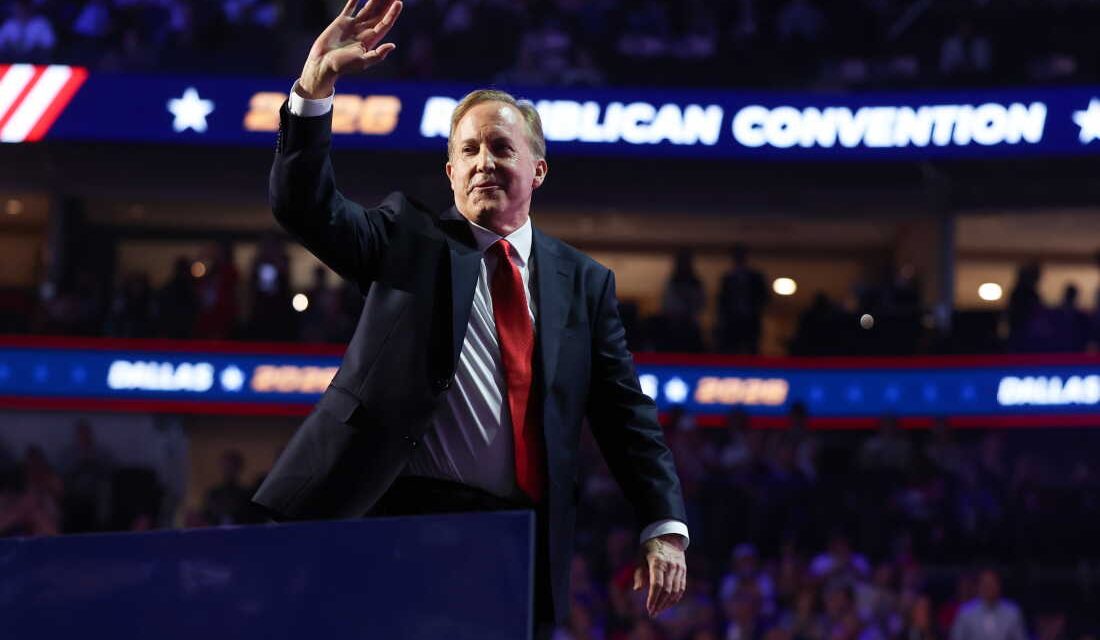
This month, during the Republican convention in Dallas, Texas Senate nominee Ken Paxton openly expressed his financial needs. As the state’s attorney general and Republican candidate, he faced significant ad spending challenges. Initially outspent by Democratic nominee James Talarico, the landscape changed with a substantial influx of funds from Republican super PACs. Major contributors included MAGA Inc. and a Texas PAC aligned with Senate Republicans.
For September, pro-Paxton ad reservations exceeded $94 million, dwarfing the $20 million support for Talarico. Tracking firm AdImpact reported that this GOP spending surpassed all Democratic ad expenditures in Texas this cycle. Addressing convention attendees, Paxton emphasized his need for support, highlighting Talarico’s strong funding as a radical Democrat.
Talarico, a state representative, gained financial momentum through viral media appearances and successful fundraising efforts. Despite holding twelve times more cash than Paxton by June’s campaign finance deadline, super PACs swiftly bolstered Republican resources. Nationwide, Republicans have pledged $557 million for nine critical Senate races, outpacing Democrats’ $343 million. Only Georgia remains where Democrats have the edge.
This financial surge extends to House races, reinforcing Republican efforts. Longtime strategist Scott Jennings remarked on the newfound resources enabling Republicans to effectively present arguments and debates, influencing outcomes in key states and districts. The MAGA Inc. and new Trump-aligned PACs have reserved over $150 million in ads, targeting Democratic candidates aggressively.
Many ad reservations focus on defense, directed to traditionally secure Trump-supporting regions. In the Senate, these include Texas, Alaska, North Carolina, and Ohio. Similarly, House races see investment in districts Trump won by substantial margins in 2024.
Despite facing a challenging political climate, Trump’s fundraising power remains undeterred. Recently, he cited a near $1 billion super PAC fund, planning significant spending for midterms. Trump and his allies aim to protect their political stance, investing heavily to retain Republican influence.
Democratic operative Jesse Ferguson acknowledged the predictable Republican financial edge. With Donald Trump’s transactional approach, Republicans maintain robust funding prospects. The GOP advertising advantage provides a snapshot of resource allocation. While party spending might shift, active campaigning sustains lower ad rates, offering candidates increased value.
Ferguson cautioned about the limitations of financial influence, highlighting that money cannot counter voter sentiments or alter fundamental issues. For Republicans preserving Senate seats and securing House districts, substantial expenditure aims to counter external challenges.
 Navigating a Divided House: Strategies for Advancing the Presidential Agenda
  Berlin’s Mayoral Race: A Candidate Inspired by New York Leadership
  Virginia Governor Unveils Data Center Policies
  Democrats Face Backlash for Protecting Economic Interests
  Missouri Voters File Lawsuit Over Redistricting Referendum
  The Rising Influence of Pardon Brokers in Washington