
The Democratic Socialists of America (DSA) envision a future without landlords, debt, and mandatory work hours. Their manifesto advocates for essential services like food, education, energy, medicine, and transportation to be accessible to all as common goods. This perspective represents a significant shift from traditional capitalist values.
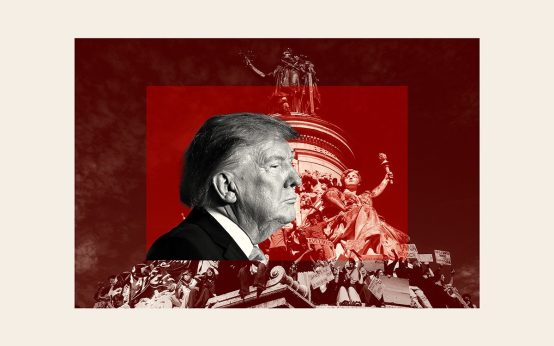
Socialists within the Democratic Party are moving from rhetoric to advocating revolutionary changes. On July 14, a symbolic release date reminiscent of Bastille Day, the DSA unveiled their platform. The platform calls for a constitutional overhaul, eliminating institutions like the Senate, the Supreme Court, and the presidency. Instead, they propose a unicameral system similar to that of the Jacobins during the French Revolution.
The platform promises to dismantle the existing order perceived to be ruled by billionaires and war profiteers.
Recent political successes, such as those by figures like New York City Mayor Zohran Mamdani, highlight this growing influence. Discussions with inmates watching a World Cup match symbolize attempts to connect with a broader base. In ‘Rage and the Republic: The Unfinished Story of the American Revolution,’ many of these socialist proposals are compared to historical movements like the Jacobins.
Historically, while the American Revolution led to democracy, the French attempt resulted in the ‘Reign of Terror.’ Influential figures from the American past, such as Thomas Paine, supported more direct democracy, which the Framers of the Constitution rejected. Benjamin Rush criticized these ideas, warning against democracies turning into ‘mobocracies.’
The DSA inherits the Jacobin legacy by proposing to replace moderating institutions. Critics argue this direction mirrors past failures. Academics like Erwin Chemerinsky in his book ‘No Democracy Lasts Forever’ raise similar questions about constitutional rigidity, echoing the thoughts found in publications like the New York Times.
These radical ideas find support not among the working class, but among academics, pundits, and students. This trend is evident in leftist publications gaining popularity. Historically, revolutions like those led by Jacobins often go unchecked, leading to chaos as described in various slogans and policies of the time.
Michaela Brangan of the DSA argues for a work-life balance free from financial stress, questioning the necessity of the Senate. Yet, history provides lessons on the importance of institutions like the Senate in maintaining democratic stability. The Founding Fathers believed in economic independence, which they thought essential for true freedom.
Figures like Bernie Sanders promote class warfare, an idea America resisted 250 years ago. The economic collapses and political purges during the Jacobin era serve as historical warnings. Current political leaders like Kamala Harris and Gavin Newsom dismiss opposition as nostalgia, questioning the relevance of capitalism. Critics argue that maintaining the Constitution is less about nostalgia and more about preserving a system that protects minority rights and promotes economic independence.
This debate continues as a critical conversation for future generations, reminding us of the value of the system that has fostered freedom and prosperity historically.
Jonathan Turley, a contributor to Fox News Media, is a recognized legal scholar and author. His recent book explores the anniversary of the American Revolution and the challenges posed by rising socialist ideas.
 Lake County and Porter County Voters Begin Early Voting
  Senate Race Shifts Show Democratic Opportunities
  Rising Support for Medicare for All in the United States
  Los Angeles Councilmember Nithya Raman Criticizes Police Chief and Mayoral Opponent
  Trump Comments on French Student Protests
  Debate Within Democratic Party on Kamala Harris’s Political Future