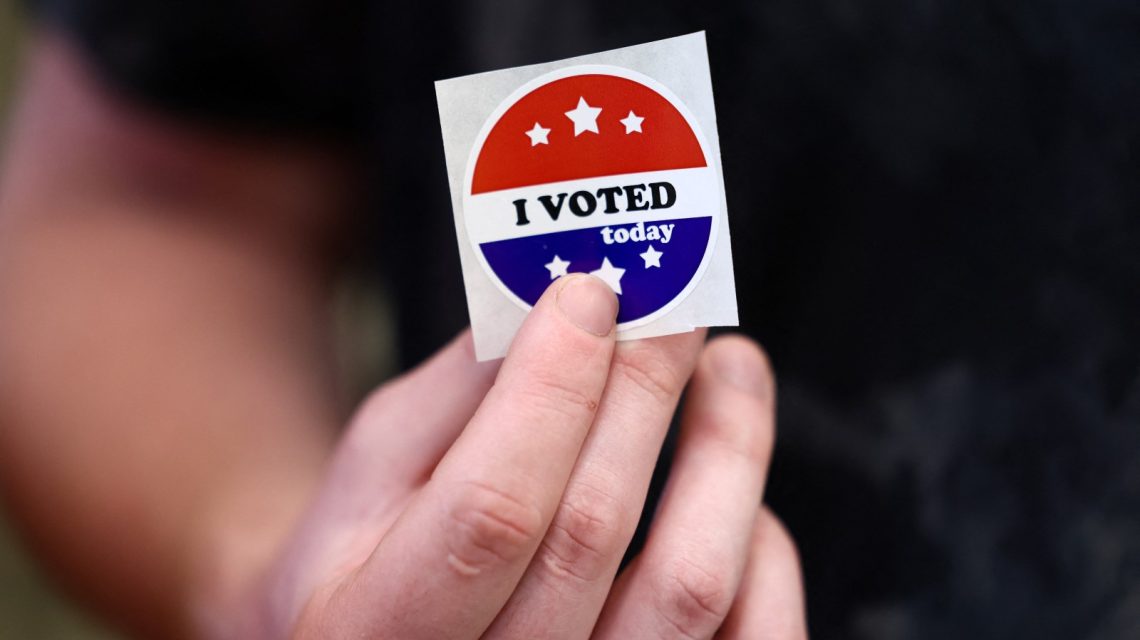
Political campaigns across the nation are preparing for the upcoming midterm elections. Staffers are buying Champagne and tissues, anticipating a mix of celebration and disappointment. While candidates prepare to mark their successes or failures, nonpartisan organizations focus on a different goal: ensuring high voter turnout.
These organizations aim to set new records and reduce the number of ignored eligible voters. Many communities remain untouched by campaigns—areas often referred to as civic deserts. Residents of these places usually have low voting histories. Campaigns utilize sophisticated voter data to microtarget potential supporters based on past voting behavior.
During their brief involvement, campaigns use data to determine their targets, basing decisions on likelihood to vote. Once their objectives are met, they move on, leaving many communities ignored. The cycle repeats, particularly in lower-income areas, perpetuating low voter turnout.
Campaign strategies focus on winning, often neglecting areas that could benefit from voter education and engagement. This gap presents an opportunity for nonprofits to bridge.
Nonprofits strive to disrupt this cycle. They aim to assist those without voting experience, tackling various structural barriers such as ID requirements and language challenges. For example, 15.6% of people with disabilities who didn’t vote in 2024 reported needing assistance, and 16.4% faced voting difficulties.
Factors like work conflicts can prevent participation. Nonprofits can guide voters in exploring options like early voting, ensuring their schedules accommodate participation. In 2024, 59% of nonvoters aged 18 to 34 reported no contact from campaigns or organizations, highlighting a gap in reaching out to potential first-time voters.
Campaigns face resource limitations. While contacting repeat voters is rational, it often overlooks many who could be engaged with proper outreach. Nonprofits offer ongoing support absent in sporadic campaign activities. Their continuous work in communities provides invaluable voter education and assistance.
Investing in nonprofit capacity for outreach can enhance community engagement. By focusing beyond immediate election goals, we create a sustainable system of voter education and support.
As results are analyzed post-election, discussions will center on winners, effective messages, and voter turnout. While campaign offices may close, overlooked communities still exist. Prioritizing these communities ensures no eligible voters remain excluded from future conversations.
Brian Miller, executive director of Nonprofit VOTE, emphasizes the importance of nonprofit roles in promoting voter participation.
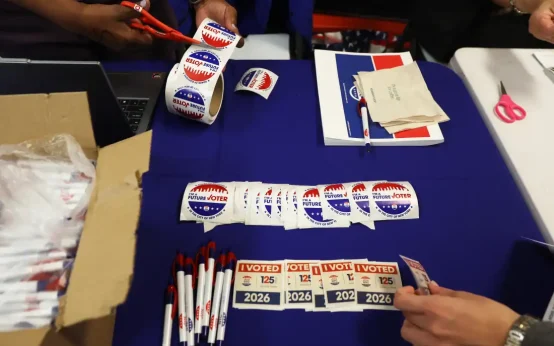 Voters and Early Voting Trends in the U.S.
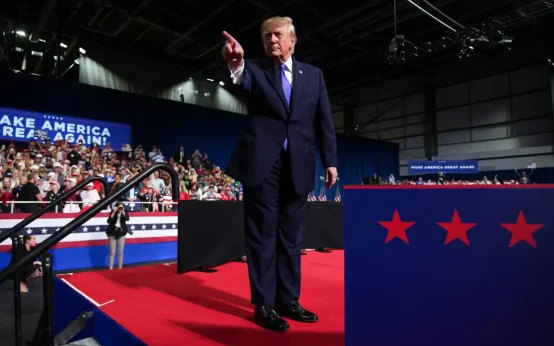 President Trump Rallies in Final Days Before Midterms
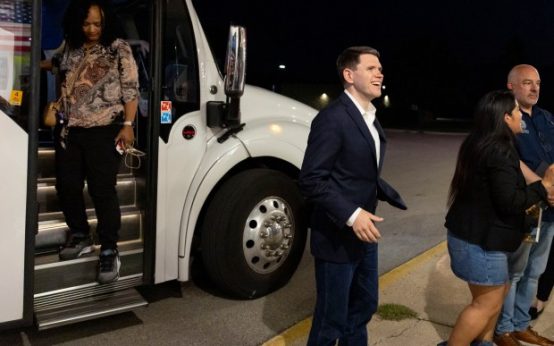 Illinois Governor JB Pritzker’s Influence on National Politics
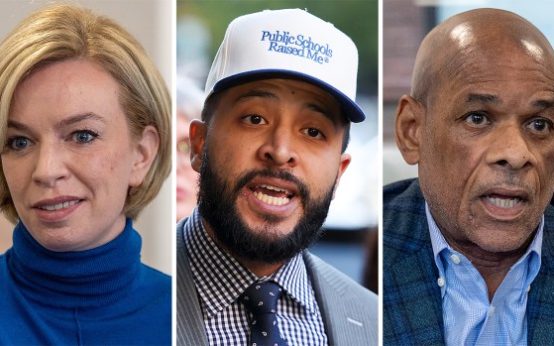 Chicago’s Historic School Board Election: What to Know
 African American Voter Support in Michigan Senate Race
 Economic Concerns in the 2026 Midterm Cycle