
Months following the cease-fire, life in Gaza remains challenging for families like Saleh’s due to restrictions enforced by Israel. Early in the conflict, the Israeli government restricted trade to Gaza, limiting import permits to a few Palestinian businesses. This decision curbed competition, creating a trade system burdened with fees layered on each truck entering Gaza. The purpose of these fees, and their eventual recipients, remain unclear to many payers.
According to Ruwa Jabr, the chief executive of the Palestinian non-profit PalTrade, the cost of a shipment that should be 100 shekels ends up escalating to 20,000 shekels or more. Israel’s extensive list of banned or restricted imports, including basic items such as poultry and hygiene products, fostered a black market for smuggled goods sold at exorbitant prices.
COGAT, the Israeli security agency coordinating aid to Gaza, stated that these restrictions are vital to prevent Hamas and other groups from accessing goods or profiting from trade. This situation has led to a convoluted process filled with brokers and middlemen taking advantage of merchants trying to import essential items.
In 2025, a figure known as Abu Basel, with alleged ties to Israeli intelligence, managed a sophisticated smuggling operation transporting restricted goods into Gaza. The operation was detailed in an Israeli indictment and reportedly involved smuggling items like cigarettes, concrete, and poultry through various border crossings. This clandestine trade impacts ordinary Gazans with some items’ prices reaching astronomical heights during the conflict.
The Abu Shamala family, including Saleh who had relocated to London, faced dire financial straits as they tried to cope with the fallout. Saleh frequently communicated with his family in Gaza, as they struggled with everyday needs amidst rising costs and a collapsing agricultural system. Efforts for survival led Saleh to raise funds through various channels, including a GoFundMe campaign, as he tried to keep his family afloat while incurring significant debts.
Gaza’s trade system faced challenges with the Israeli blockade, which prohibited or restricted many items deemed as dual-use materials. These restrictions stalled commercial activities, exacerbating economic struggles in the region. The restricted trade allowed some well-connected merchants to monopolize the market, resulting in increased costs sparked by heightened fees for importing goods.
Several indictments exposed the involvement of Israeli security personnel in black-market operations and revealed instances where smuggled goods were exchanged for intelligence. Charges involved accepting bribes to transport restricted items, indicating a deeper association of smugglers with the Israeli security services.
Saleh and his family witnessed the effects of the restricted aid system, with daily essentials becoming inaccessible or too expensive. At times, the price of necessary items became unaffordable for most families, forcing them to rely on aid distribution which was fraught with peril due to border conflicts.
Amidst these economic battles, Saleh’s focus remained on ensuring his family’s survival and his attempts to extricate them from Gaza. He confronted organizational inefficiencies and encountered fraudulent evacuation promises, shedding light on the plight of those trapped by blockades.
The cost of medical care further compounded family hardships, making maintaining health a formidable challenge. Constant attacks posed risks to hospitals and limited access to appropriate treatments and medications for Saleh’s family and others in similar situations.
The eventual cessation of intense conflict has not eased the stringent economic constraints fully. While some aid has been allowed, the situation remains volatile with ongoing control asserted by Israeli authorities over the economy. Saleh’s commitment to his family continues, navigating a complicated web of logistics and support, reflecting the broader struggle Gazans face daily.
 Converse Apologizes for Controversial Ad Sparked by Allegations of Racism
 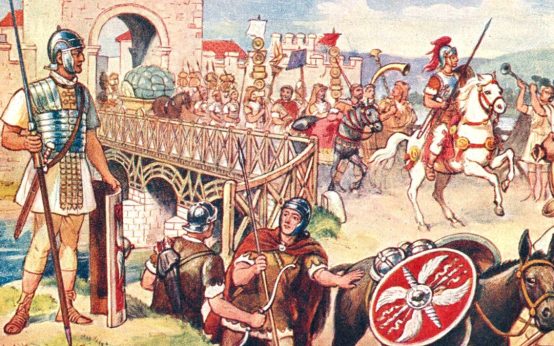 Roman Empire’s Road Network Study Challenges ‘All Roads Lead to Rome’
 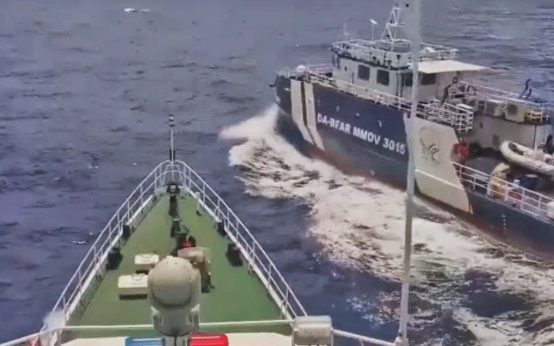 Tensions Rise in South China Sea After Ship Collision
  Where is Austin Tice?
  Trump’s Speech Targets Iran’s Nuclear Ambitions at U.N.
 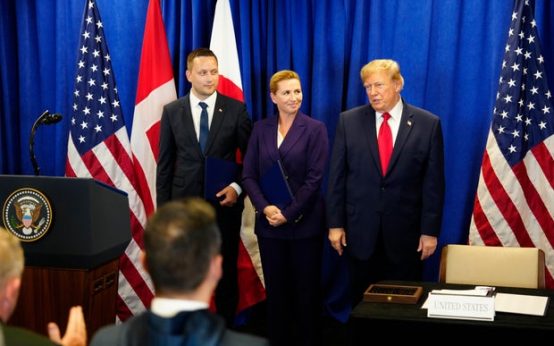 U.S., Denmark, and Greenland Sign New Security Agreement