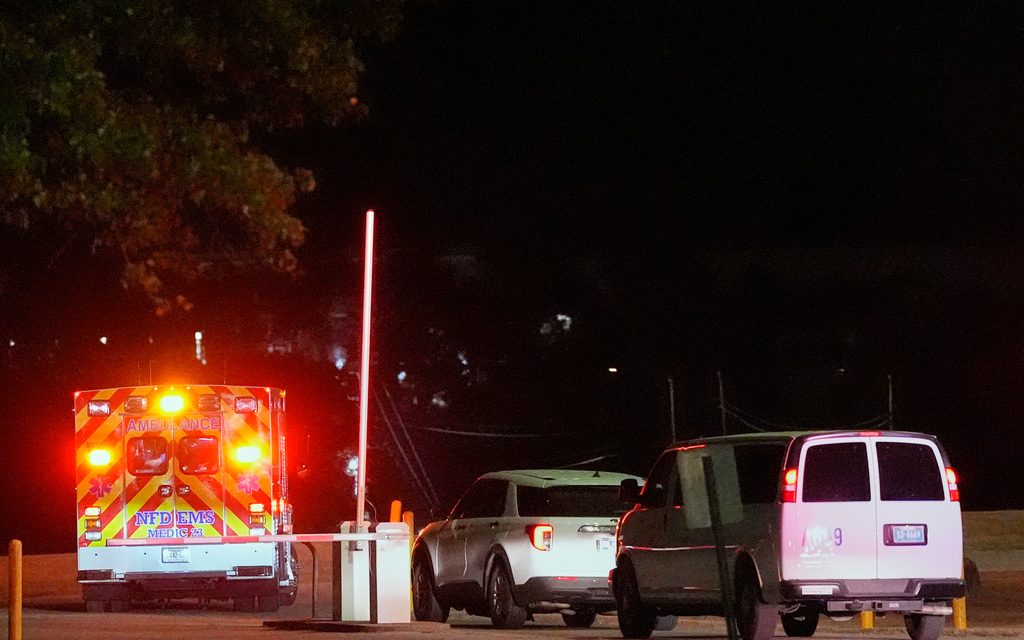
Emergency vehicles left Riverbend Maximum Security Institution as the execution of Christa Pike was halted. This event unfolded in Nashville, Tenn. The ongoing use of the death penalty has forced America to face its brutal reality. A botched execution in Tennessee led to an announcement by the Trump administration to broadcast an execution. This plan was reversed following public outrage. The method showcases a practice that remains flawed and inhumane.
Defense Secretary Pete Hegseth announced plans to livestream the firing squad execution of former Army Major Nidal Malik Hasan. Convicted of the 2009 Fort Hood shooting, Hasan’s execution would have been the first U.S. military execution in six decades. Broadcasting it would align the U.S. with governments using public executions to display power. Criticism came from various quarters, forcing President Trump to cancel the livestream while the execution remained scheduled.
Before Hegseth’s announcement, Tennessee’s attempt to execute Christa Pike failed. Pike survived two doses of lethal injection, illustrating our commitment to the death penalty despite evidence of cruelty. A flawed execution prompts calls for better methods; public outcry over broadcast plans sparks demands for discretion. Each controversy becomes about making the punishment palatable instead of questioning its necessity.
Tony Carruthers endured a torturous experience in Tennessee. The state spent over 90 minutes attempting to insert an IV, leaving him bloodied and traumatized. This method exposes the violence hidden by lethal injections’ clinical facade.
Recent executions have shown no method guarantees a cruelty-free procedure. Kenneth Smith suffered during Alabama’s experiment with nitrogen hypoxia. South Carolina’s execution of Mikal Mahdi didn’t meet expectations. Byron Black, executed in Tennessee, showed signs of painful distress.
The constitutional regulations pose challenges. The Supreme Court requires challengers to suggest a less painful execution method. This requirement turns the Eighth Amendment’s protection into a discussion of execution logistics. Human dignity underpins this prohibition, guiding judgment of the punishment itself.
Executions behind closed doors shield the public from witnessing the gruesome reality. Witnesses, including victims’ families and legal teams, face trauma. Secrecy doesn’t eliminate suffering; it allows others to ignore it. The backlash to the proposed execution livestream presents an opportunity to rethink this pattern. Supporters of the death penalty should extend their scrutiny beyond public displays to the punishment itself.
We must recognize the horrors as reasons to abolish the death penalty, not to refine it. Our constitutional commitment to human dignity demands its end.
Yasmin Cader serves as the deputy executive director of the American Civil Liberties Union.
 Texas Voter Registration Challenge Spurs Legal Action
  Research on Massacre Generation and Policy Views
  El-Sayed Denies Ties to Muslim Brotherhood Amid Senate Campaign
  Travel and Diplomacy: Jared Kushner’s Envoy Role
  Texas Senate Race Highlights Data Center Debate Between Talarico and Paxton
  Susan Collins Faces Scrutiny Over Husband’s Lobbying Ties