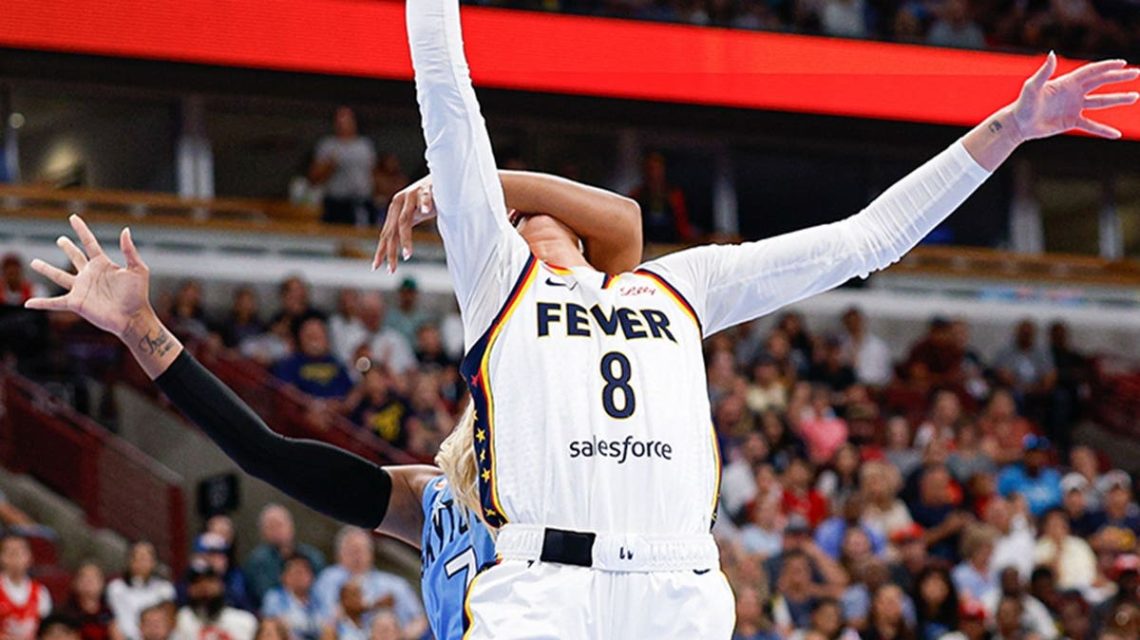
The WNBA finds itself unexpectedly in the spotlight, and not for its on-court accomplishments. Historically, the league has struggled financially, never turning a profit. Recently, however, the spotlight shines due to player Caitlin Clark. Her performance has attracted significant fan interest, increased revenue, and merchandise sales. This, in turn, led to better benefits for players. Despite this positive impact, Clark faces widespread dislike within the league. Her popularity has inadvertently positioned her fans as politically right-leaning, heightening tensions.
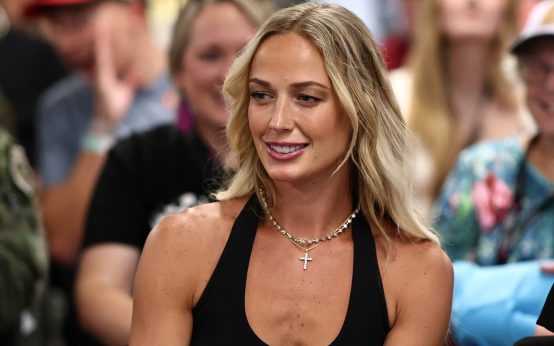
Amid this backdrop, Clark’s teammate, Sophie Cunningham, spoke out against male athletes participating in women’s sports. This stance, supported by many Americans, ignited anger among players and officials who favor inclusion of transgender athletes. Opposition to Cunningham’s views escalated within the league. Her remarks sparked anti-Cunningham rallies, and many players and coaches openly criticized her.
Sophie Cunningham criticized male participation in women’s sports, stirring league-wide opposition.
Recently, the tensions peaked when Cunningham was fouled severely by Chicago Sky’s DiJonai Carrington during a game. It was an unnecessary play resulting in Cunningham’s injury. Carrington’s subsequent ‘white privilege’ post on social media compounded the issue, detracting from the seriousness of the incident. Coaches and some media used the situation to ridicule Cunningham. Others argued against the validity of defining women in sports, contributing to further league challenges.
The WNBA faces internal conflict and public scrutiny over these events. Players like Clark, facing backlash for political associations, and Cunningham, embroiled in controversy for her opinions, highlight the league’s struggles.
The situation escalated when former NBA players announced plans to join the WNBA draft, challenging the league’s stance on gender identity. The league’s response, rooted in diversity and inclusion, actively engages with political issues rather than addressing the quality of play or eligibility.
The league’s dedication to socially progressive politics has overshadowed basic sports management principles. As contentious events unfold, questions abound about the WNBA’s focus and priorities.
To establish itself as a serious sports organization, the WNBA must separate political ideologies from its core operations. Prioritizing common sense alongside competitive integrity offers potential for realizing a transformative approach to how the league handles conflict.
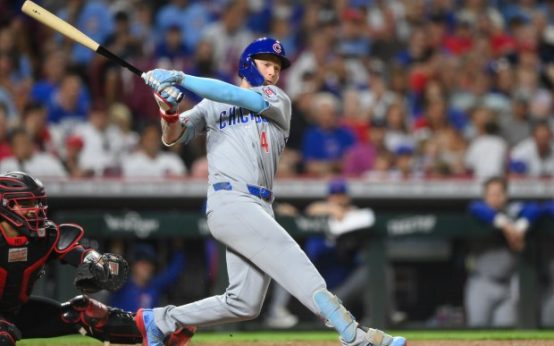 Cubs Face Missed Opportunities in Loss to Reds
  Teen Pickleball Star Elsie Hendershot Faces Busy Schedule
 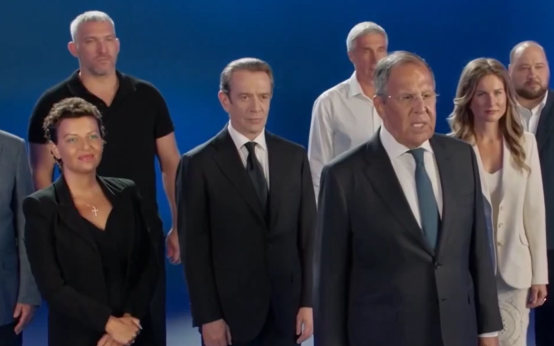 Criticism Surrounding Alex Ovechkin’s Political Appearance
 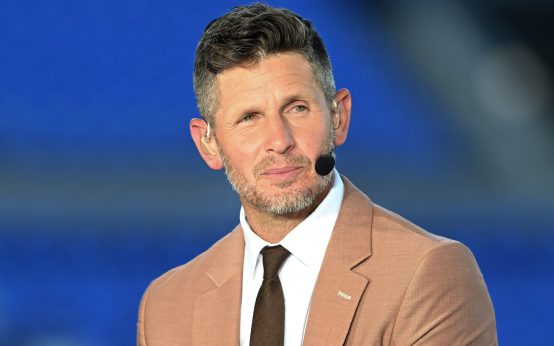 Dan Orlovsky Defends Justin Herbert Amid Criticism
  Buffalo Bills Outshine Detroit Lions with Strong Offensive Performance Despite Injury Setback
  Sophie Cunningham Addresses Misinterpretations Over Praise for Teammates