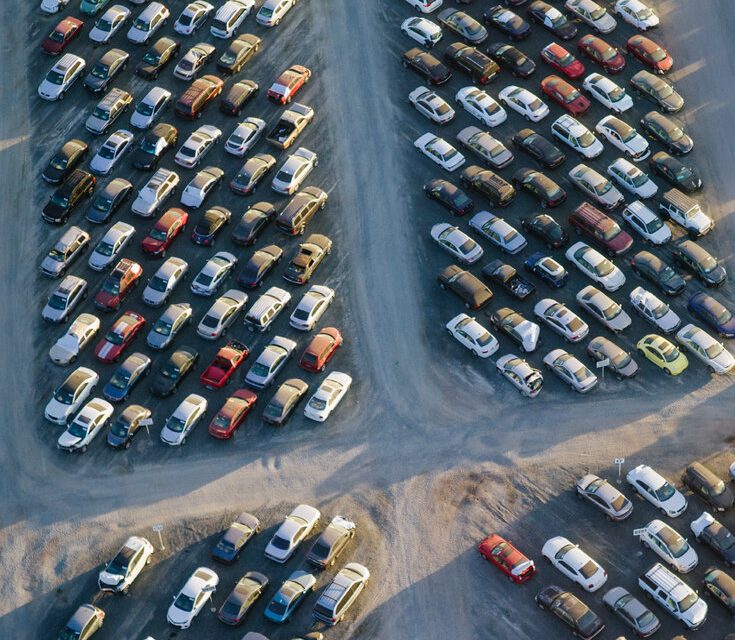
They board flights from Central America to the United States. Their goal isn’t migration but to source used vehicles. These drivers operate a cross-border circuit, carrying salvaged cars from American scrapyards to their home roads. This gives abandoned vehicles a second life and supports the local economy.
The Journey of Julio César Pisquiy Nimatuj
Julio César Pisquiy Nimatuj first discovered his love for driving at age 12. Now, at 44, he is one of the many migrants who drive to earn a living. Each driver has a unique business model. Mr. Pisquiy purchases cars in advance at U.S. auctions, has them delivered to Otay Mesa east of San Diego, and drives them back to Guatemala for resale.
Before leaving for the U.S., Mr. Pisquiy meticulously plans his luggage. His first-class ticket allows 73 pounds of baggage. He fills this with essential tools like wrenches, an impact gun, and a tow bar. Any remaining space carries general items.
An Uncertain Venture
The condition of cars often surprises Mr. Pisquiy. He handles repairs himself, ensuring vehicles are ready for the 2,000-mile journey. Annually, he makes between 10 and 15 trips, earning about $2,000 per trip. Each trip can last up to 20 days.
To boost his income, he transports gifts and necessary supplies for customers via WhatsApp. He identifies himself as a transmigrant.
“I also have a body shop and optometrist clinics, but if I can’t travel, I’m in trouble. Of my three jobs, transmigrant is the most profitable.”
For transmigrants, vehicles abandoned in U.S. junkyards represent opportunity. With transit visas for North American travel without permanent residence, they transform these discarded cars into profit. This creates a crucial economic path amidst the few options available to Central Americans. In Guatemala, 55% of the population lives in poverty, according to the World Bank; half of the economy is informal.
A Challenging Start
On his initial trip to the U.S., Mr. Pisquiy’s mentors advised him to return with a school bus. It was his first time driving such a large vehicle.
“I cried in the middle of the freeway,” he revealed. It’s been about 15 years since that day.
Imported cars, while cheaper in Central America, often don’t meet the strict safety standards required in the U.S.
Facing Risks on the Road
Mexico restricts transmigrants to two roads traversing the country, providing nine days to reach Guatemala. The journey is not without dangers. Drivers face assaults and theft on the road. Extortion is so common that payments to cartels are budgeted into every trip.
“We never really know who is assaulting us,” Mr. Pisquiy said. “What I know is they take 2,000 pesos out of my pocket.”
Before reaching the end buyer, vehicles pass through many hands like mechanics, painters, and sellers.
Each trip costs Mr. Pisquiy around $2,000, covering the plane ticket, car parts, food, taxes, agency fees in Mexico, and extortion. Ensuring vehicle safety prevents costly breakdowns. Although he’s been fortunate, many have faced fatal accidents.
A network of solidarity helps them manage loneliness and danger during travel.
“I have my favorite places, hotels, and restaurants,” Mr. Pisquiy stated. “I do everything on my own and I drive about 14 hours a day, so I need a good sleep and a good meal.”
Legal Challenges and Personal Risks
Obtaining U.S. entry permission took two years and numerous documents to guarantee he wouldn’t remain in the country. At home, Mr. Pisquiy’s wife, Any, waits with their children and asks only one thing: to stay safe.
Mr. Pisquiy feels more confident yet exercises increased caution as time progresses.
“I have more experience, and that makes me more cautious, even with my schedule,” he acknowledged.
 Calls Grow for Ireland’s Soccer Team to Boycott Matches Against Israel
  New U.S. Military Bases Planned in Greenland Amid Strategic Security Deal
  Twitch Streamer Hasan Piker Discusses Controversial Commentary
  A Shifting Political Landscape: The Decline of Autocratic Power
  Trump Delivers Warning to Iran, Cuba at UN General Assembly
  Lukashenko and Putin’s Unique Relationship and Belarus’ Strategic Role