
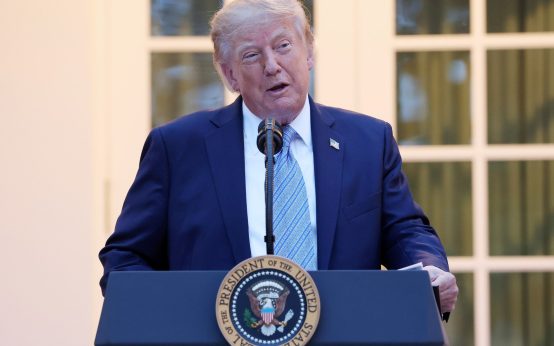
The Trump administration is contemplating a ban on diesel fuel exports due to soaring prices affecting American agriculture and trucking industries. During a meeting at the United Nations General Assembly, President Trump acknowledged the consideration, quoting, “I’ve called for that, too,” emphasizing the need to retain diesel production within the country.
The issue was further addressed by Treasury Secretary Scott Bessent, who noted the administration is assessing the feasibility of implementing a complete or partial ban, alongside evaluating current refining capacities.
“We’re examining whether it’s feasible in terms of the overall refining capacity and whether a full or partial ban would work,” Bessent stated.
Among Republican legislators, particularly from agriculture-intensive states like Iowa, the proposal is gaining traction as diesel prices hit unprecedented levels. However, opinions clash within the GOP, with representatives from oil-heavy states dismissing the proposal as impractical or gimmicky.
Noteworthy is the surge in diesel prices, reaching a new record at $6.51 per gallon across several states. This situation recalls historical measures like the 1970s energy crisis, where the U.S. leaders implemented similar embargo strategies to stabilize domestic fuel prices.
In related developments, the Environmental Protection Agency is initiating a watershed study to detect traces of specific pharmaceuticals, including abortion pills. This follows persistent lobbying efforts by anti-abortion groups aiming to assess the impact on water quality.
Senate Republicans debate the nuances surrounding a policy proposal endorsed by Sen. Chuck Grassley. This policy aims to bolster domestic diesel supply by restricting exports, reiterating historical efforts to confront energy challenges.
As these dynamics unfold, Americans, particularly those in the Northeast, brace for potentially hefty home heating bills amid the ongoing geopolitical tensions involving U.S.-Iran and Russia-Ukraine relations.
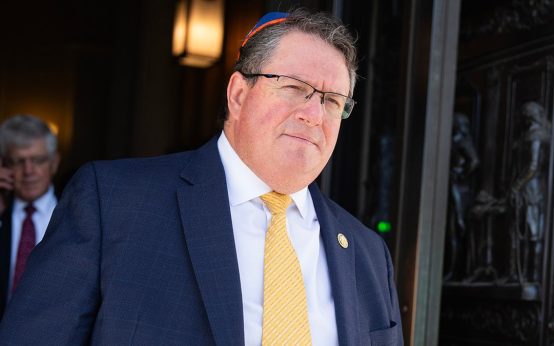 Congressman Randy Fine’s Bold Political Stance and Views on AI Regulation
 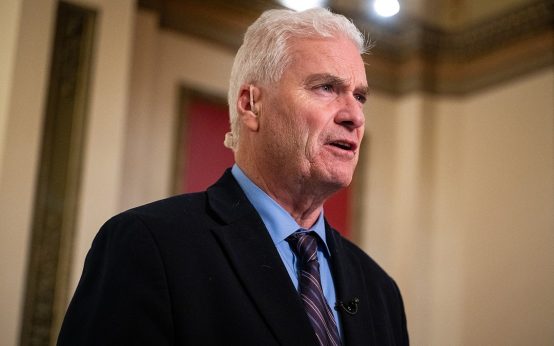 Political Messaging and Strategy Leading Up to Midterms
  President Trump Proposes ‘Super Intelligence’ as New AI Term
 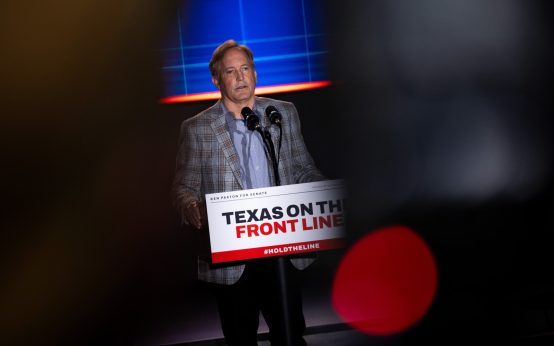 Texas Senate Race Tightens with Shifting Youth Support
 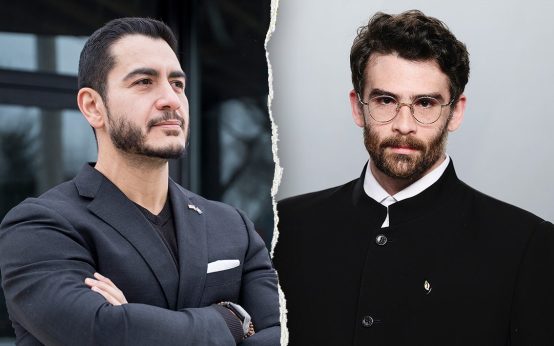 Flight 93 Hero’s Father Criticizes Ties Between Hasan Piker and Abdul El-Sayed
  House Races Shift Amid Democratic Momentum