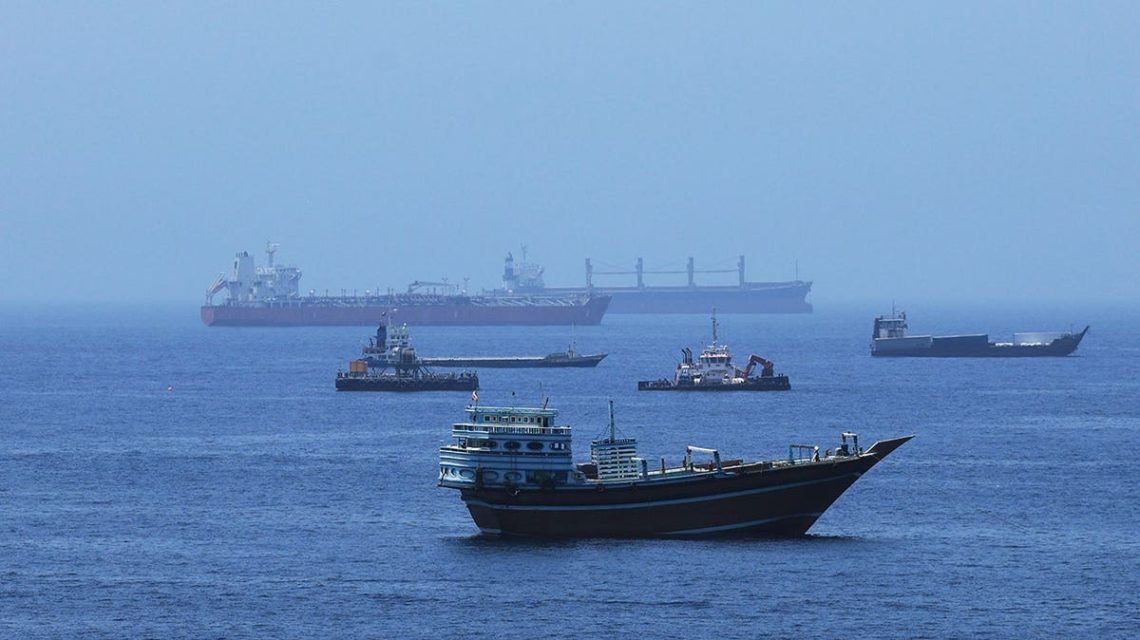
President Donald Trump proposed declaring the Strait of Hormuz a U.S. territory. This move aims to secure a vital oil passage and limit Iranian influence. On ‘Mornings with Maria,’ Samir Kapadia discussed the legal path and economic implications. He assessed the potential for maritime tolls and the effect of U.S. sanctions on Middle Eastern trade.
The Trump administration has consistently denied Iran’s control over the Strait of Hormuz. Iran and Oman recently proposed a draft framework. It suggests excluding military vessels from the passage. Yet, the White House did not clarify if President Trump would accept such restrictions. U.S. Central Command (CENTCOM) rejected Iran’s authority over the strait. Capt. Tim Hawkins of CENTCOM stated, “Iran does not control the Strait of Hormuz. The strait is an international waterway, and commercial vessels continue to transit with U.S. military assistance.”
The Trump administration focused on challenging Iranian efforts to govern passage through Hormuz. Secretary of State Marco Rubio condemned a proposed toll system as illegal. Trump also issued threats to Oman, warning against interference in a U.S.-Iran deal.
U.S. military and economic actions aimed to re-establish control over Hormuz. American forces struck Iranian military targets and maintained a blockade of Iranian ports. Operation Economic Outcast, a new sanctions campaign, has been in effect. These actions aided in the transit of nearly 1,500 vessels through the strait.
Oil flow through Hormuz is about 5 million barrels per day, down from 20 million barrels pre-war. Iran and Oman announced a proposed plan to reopen the strait. It includes a temporary navigational corridor and a joint mine-clearing project. The plan, however, leaves many terms unresolved and lacks a permanent solution.
Deputy Foreign Minister Kazem Gharibabadi outlined that the arrangement would direct commercial ships through Iranian waters, excluding military vessels if binding. Iranian media reported agreements on revenue-sharing and territorial waters. However, Oman’s statements did not confirm these aspects. This leaves open whether Iran could restrict American military in the strait and how the Trump administration might respond.
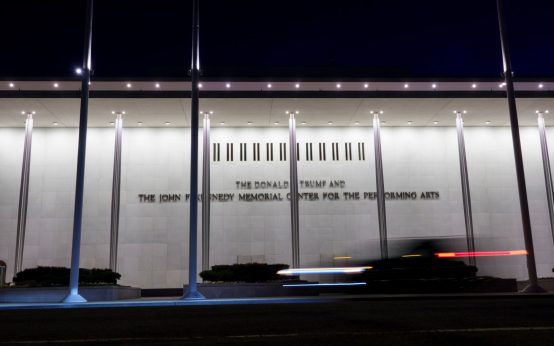 Kennedy Center Naming Dispute: Trump’s Influence and Legal Battles
 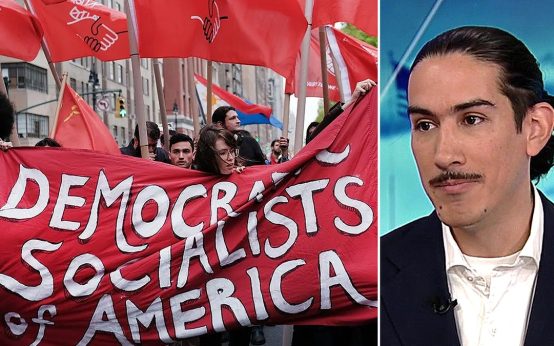 Controversy Surrounds NYC DSA Co-Chair and Alleged Double Standards
 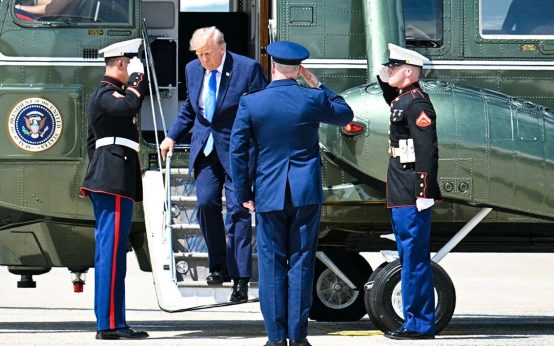 Marine One’s Communication Issues During Trump’s Departure
 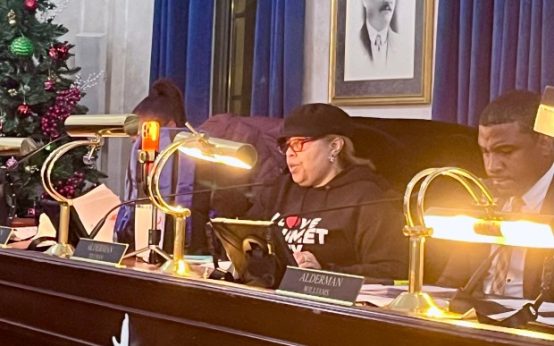 Calumet City Aldermen Seek Legal Action Over Mayor’s Spending
  Rep. Chuck Edwards Challenges Ethics Report
 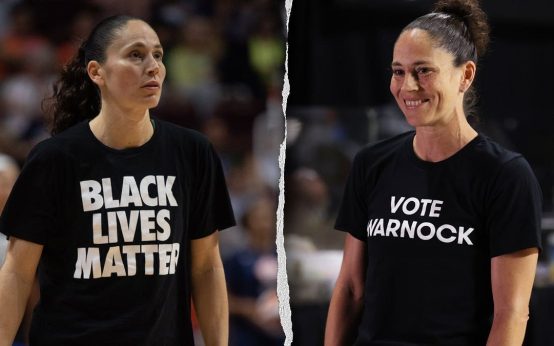 Controversy Over Sophie Cunningham’s Leadership Calls in WNBA