President Trump announced the cancellation of planned military strikes in Iran, expressing optimism about a forthcoming peace agreement. This decision marks the latest shift in a series of developments involving threats and peace promises.
“Based on the fact that discussions with the Islamic Republic of Iran have been brought to the highest level of Iranian leadership and approved, I have, as President of the United States of America, cancelled the scheduled strikes and bombings against Iran this evening,” Trump communicated via Truth Social.
He further stated, “The Naval Blockade will remain in full force and effect until this transaction is finalized. Time and place of the signing to be announced shortly.” Later, from the Oval Office, Trump suggested that a signing could occur in Europe soon.
When questioned about an agreement on nuclear issues, Trump affirmed, noting a conceptual consensus had been reached. This statement comes amidst Trump’s recent escalation of war rhetoric, having earlier announced potential military actions against Iran, yet also acknowledged ongoing negotiations.
Trump mentioned that the U.S. plans to seize Iran’s vital oil infrastructure at Kharg Island in the future. The island is a significant strategic target, though capturing it involves risks of U.S. casualties. “My preference has always been to take Kharg Island,” Trump noted on Fox News, expressing doubt about public support for such actions.
Trump’s mixed messages highlight his struggle to resolve the conflict, driven by economic pressures, including rising inflation rates and declining popularity. Analysts, like Jennifer Stromer-Galley from Syracuse University, suggest Trump’s rhetoric aims to create a reality aligning with his goals despite conditions outside his control.
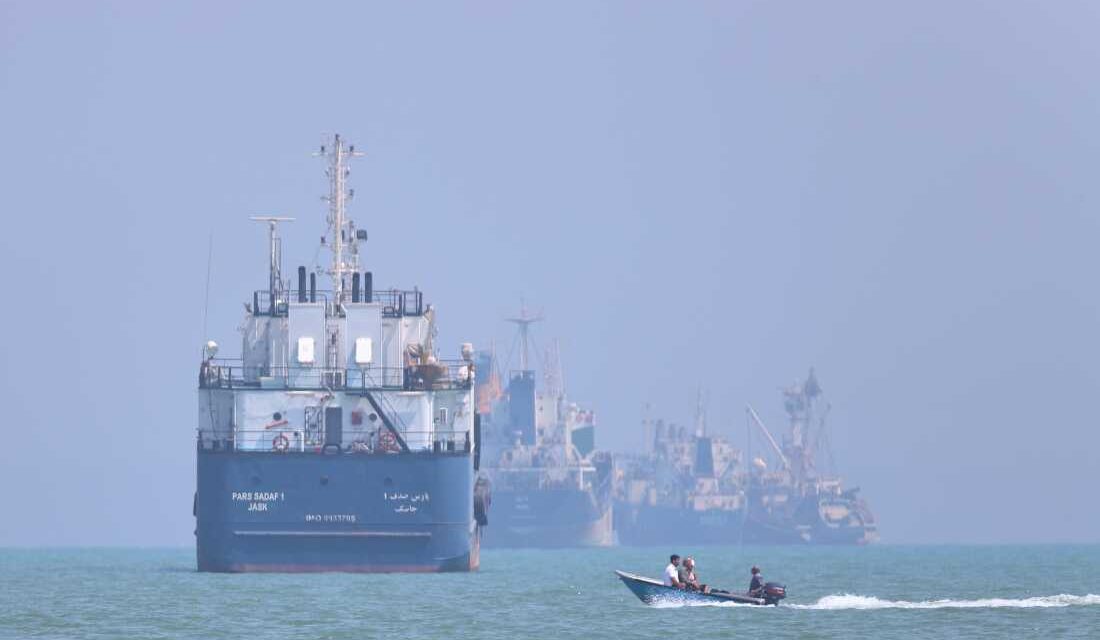
This tension grows as Americans deal with increasing gas prices and electricity costs, leading to a decline in public confidence. After over three months of war, Iran has closed the Strait of Hormuz, a channel for 20% of global energy supplies, amidst an unstable ceasefire enforced since April. Both nations continue targeting each other’s interests as negotiations face hurdles.
 Senator Tillis Challenges Loyalty to Trump
  AI Concerns and International Relations: Bill Gates Urges Oversight Amidst Global Summit
  Europe’s Modern Warfare Preparedness and Democratic Stability
  Comprehensive Guide to Voting in the Illinois General Election
  Federal Appeals Court Decision Against Trump’s ‘Third-Country’ Deportation Policy
  President Trump’s Controversial Ban on Media Outlets Sparks Press Freedom Concerns