
Over nine million Cubans find themselves struggling as the island experiences its sixth nationwide blackout this year. The impact of the Trump administration’s strategies against Cuba is increasingly severe. The de facto naval blockade and extensive secondary sanctions are crippling Cuba’s economy. Foreign firms are deterred, and countries shipping fuel to Cuba risk facing secondary tariffs.
Essential services suffer. Hospitals operate with minimal resources. Food perishes in ports and refrigerators. Transportation systems falter. Cubans anticipate worsening conditions before any improvement. While some speculate about Cuba becoming a military target, the existing economic siege already inflicts significant punishment on the Cuban populace, arguably more than any military intervention could. This situation has evolved without the extensive debates usually seen in Congress over military actions.
In the Senate, a war powers resolution provides a potential solution. It aims to halt this unfolding crisis and control the administration’s aggressive regime change ambitions. The resolution paves the way for a serious negotiation to induce true economic and political transformations in Cuba. Cubans on both sides of the Florida Straits demand change, which politicians have long denied. Unauthorized U.S. military actions won’t catalyze this change. Instead, they could breach the U.S. constitution and delay progress, making prevention necessary on strategic, legal, and humanitarian grounds.
Sens. Tim Kaine, Adam Schiff, and Ruben Gallego introduced this Senate resolution to contain further military ventures from the Trump administration, especially near U.S. shores. The backlash against the war in Iran indicated that Americans reject risky and costly nation-building efforts. In Cuba, this approach could endanger U.S. servicemembers, trigger a refugee crisis, and strengthen the Cuban regime’s defense, setting back diplomatic relations to the early 1900s.
The Senate vote represents one of Congress’s last chances to reclaim constitutional authority over warfare decisions in the region. Meanwhile, the administration resorts to outdated arguments and hyperbolic claims about Cuban threats. Secretary of State Marco Rubio’s assertions about a significant threat lack broad support beyond certain South Florida groups. Issues cited include supposed intelligence bases and arms purchases, alongside a criticized State Department report on Cuba’s influence attempts.
The U.S. has increased surveillance flights around Cuba and expanded its intelligence presence. Plans for deploying the 101st Airborne Division and an indictment against former president Raúl Castro are also noted. Despite Cuba’s intelligence capabilities, they are unlikely to match the expectations set by Secretary Rubio. For decades Cuba hasn’t swayed the U.S. to lift the embargo or secured allies willing to bypass secondary sanctions.
Efforts to cultivate sympathy in the U.S. do not justify military actions against Cuba and resemble a frail pretext more than an urgent threat as assessed by intelligence agencies. Genuine transformation requires negotiation and sidelining aggressive demands for regime change. The focus should be on Cuban welfare. By adhering to diplomatic methods and respecting constitutional guidelines — supported by the Senate’s resolution — the U.S. could better advance interests and prevent a humanitarian crisis.
Lee Schlenker is a research associate in the Global South program at the Quincy Institute for Responsible Statecraft, focusing on Latin America.
©2026 Nexstar Media Inc. All rights reserved. This material cannot be published, broadcast, rewritten, or redistributed.
 Sensitive Discussions During Trump’s National Archives Visit with Xi Jinping
  Escalating Tensions Between Russia and the UK
  Key Events in Politics and Technology: U.S. and U.K. Developments
 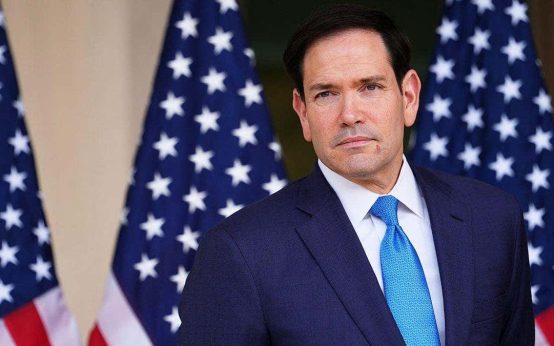 Secretary of State Rubio Comments on Recent UK Terror Threat
 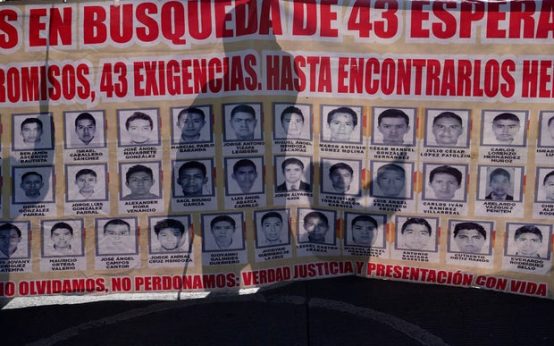 New Developments in Ayotzinapa Case: 17 New Suspects Identified
  Concerns Arise Over Rodrigues-Birkett in Race for UN Secretary-General