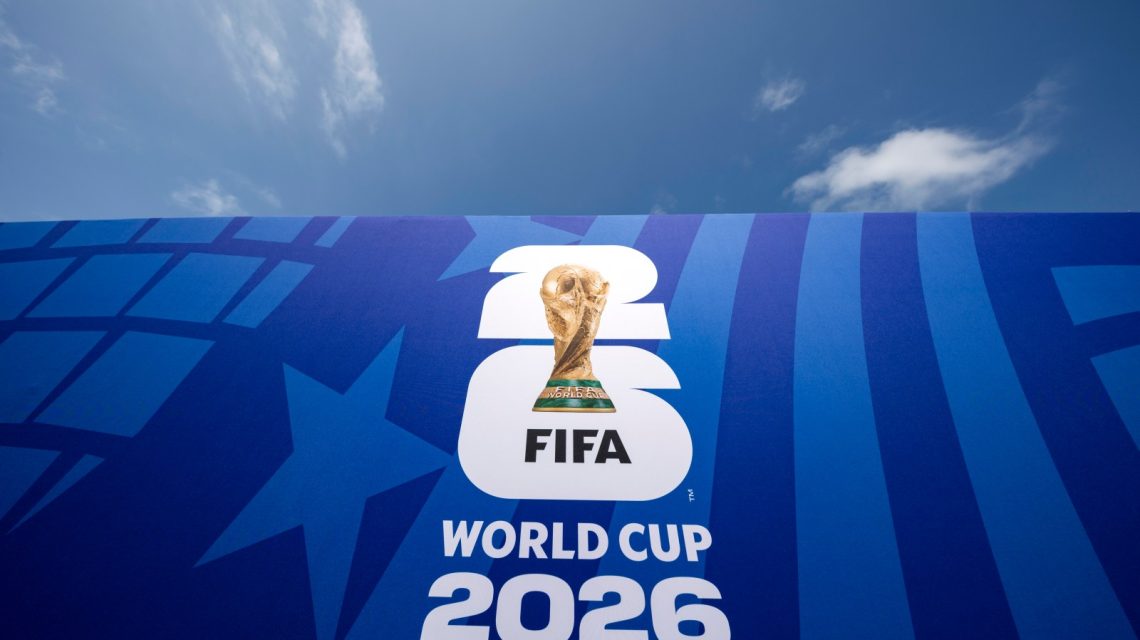
The 2026 FIFA World Cup kicks off tomorrow, and football fans in the U.S. will enjoy extended bar hours as multiple states loosen alcohol restrictions for the duration of the tournament. The event, running from June 11 to July 19, is expected to draw millions to North America. In preparation, lawmakers across the U.S. have enacted temporary measures to prolong last calls, broaden drinking districts, and issue special alcohol permits for fan zones.
History shows that such changes are common in host nations. For instance, Qatar adjusted its alcohol policies for the 2022 World Cup, allowing beer sales in fan zones despite typical bans.
States Modifying Alcohol Laws
New York
In New York, Governor Kathy Hochul passed a bill enabling bars and restaurants to serve alcohol until 4 a.m. during the tournament. The rule standardizes closing times state-wide, aiming to benefit from the tourism and spending linked to the World Cup.
Kansas
Kansas will expand alcohol service hours. Establishments can serve from 6 a.m. to 5 a.m. throughout the World Cup, offering some of the broadest operating hours nationally.
Massachusetts
Massachusetts legislators approved extending last call to 3 a.m. throughout the event. The policy also empowers municipalities to create public drinking zones associated with World Cup events.
Missouri
In Missouri, a statewide exemption enables bars and restaurants to serve alcohol between 6 a.m. and 5 a.m. Governor Mike Kehoe signed the measure to boost tourism.
Pennsylvania
Philadelphia venues can operate two hours later than usual during World Cup and America250 celebrations under legislation by Governor Josh Shapiro. Establishments can now stay open until 4 a.m. from June 11 through July 20, 2026.
Rhode Island
Rhode Island legislators authorized extended hours for five towns and cities. Establishments there may serve until 3 a.m. and stay open until 4 a.m. between June 11 and July 3.
Washington
Washington granted special fan-zone permits for expanded alcohol service. Cities like Seattle, Tacoma, and others can allow extended sales and consumption during June and July.
Georgia
Georgia relaxed open-container laws related to World Cup festivities, easing the organization of fan events and public gatherings.
New Jersey
New Jersey allowed more flexibility for municipalities to extend service hours, leaving the decision up to local authorities.
Why Change the Laws?
The 2026 World Cup is set to be the largest ever, with 48 teams and over 100 matches in the U.S., Canada, and Mexico. Host cities and nearby states expect that prolonged hours and relaxed rules will boost spending in bars, restaurants, and fan events. They also hope these measures will manage the large influx of visitors effectively.
However, extended operations might not appeal to all businesses. Concerns about staffing, security, transportation, and permits are likely to influence decisions about staying open later.
The tournament begins on June 11 and concludes with the final match on July 19.
 Discussion on NFL Draft Comparison and Simone Biles’s Car Issue
  Chicago White Sox’s 2026 Success and Team Dynamics
  Remembering Chris Spatola: ESPN Analyst and Former Army Guard
  Indiana Fever Bounce Back with Win Against Minnesota Lynx
  Controversy Surrounds Massachusetts’ Proposal for Nurse Home Visits
  Kurt Angle Reflects on His TNA Wrestling Career