
On March 2026, U.S. President Donald Trump declared victory in the war with Iran, asserting that the United States had already triumphed but needed to complete unfinished tasks. Despite this declaration, the situation in the region continues to deteriorate. Fighting has intensified and diplomatic efforts have stalled, leaving the so-called “job” far from completed.
Foreign policy experts have critiqued the U.S. strategy, with one asserting that the country has not achieved its primary strategic objectives. This sentiment suggests a broader debate about the effectiveness of current policies and the challenges faced in attempting to stabilize the region.
The ongoing conflict raises questions about the long-term impact of the United States’ involvement and the potential consequences for regional stability. As fighting persists, the prospects for a resolution appear uncertain, indicating a complex and unresolved situation.
 Federal Appeals Court Decision Against Trump’s ‘Third-Country’ Deportation Policy
  Ed Sheeran’s Philadelphia Concert Amid Controversy
 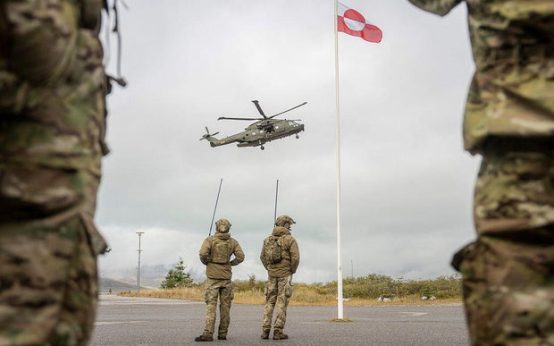 U.S. Secures Strategic Control Over Greenland
  U.S. Security Agreement in Greenland Sparks Optimism and Concerns
 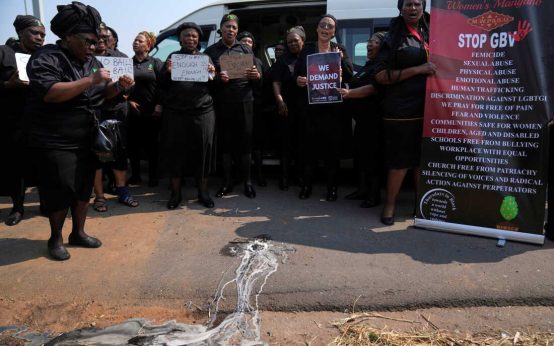 Impact of Gender-Based Violence in South Africa
 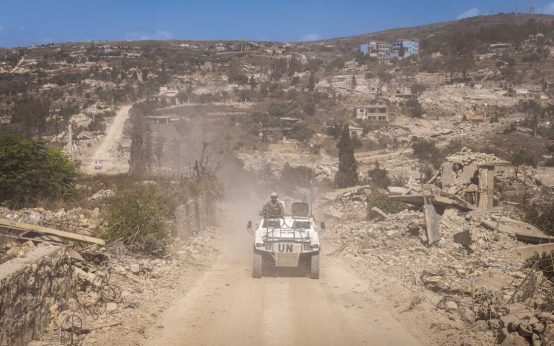 UNIFIL Operations in Southern Lebanon Amidst Ceasefire Challenges