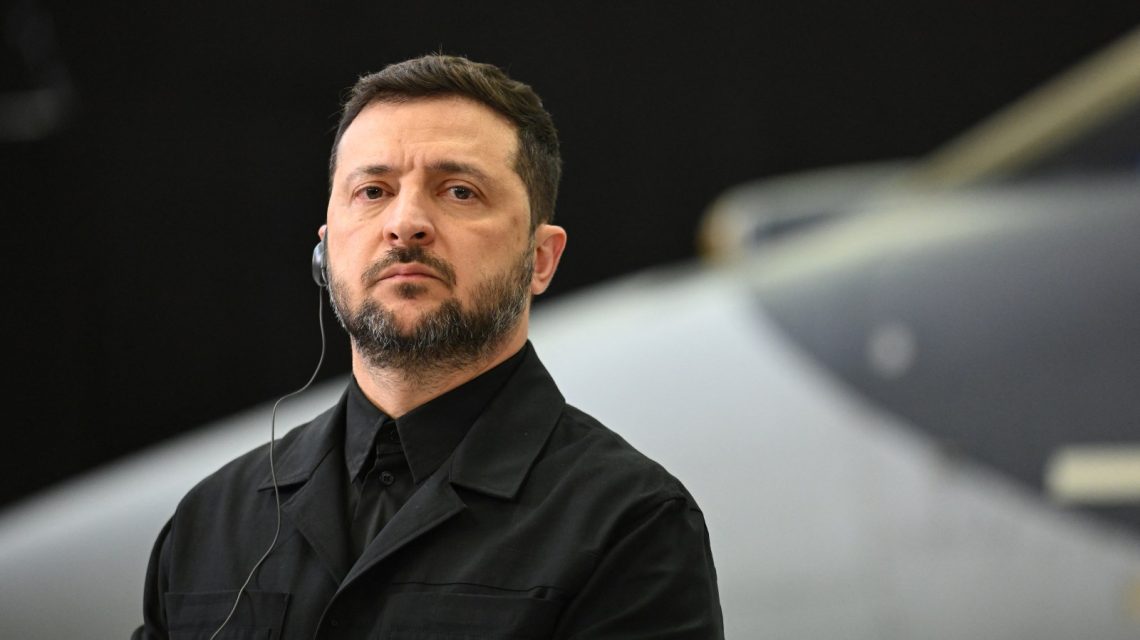
The recent Ukrainian strike in the Caspian Sea is attracting global attention due to its potential implications. Iran reported the loss of one sailor aboard an Iranian commercial vessel, while Ukrainian President Volodymyr Zelensky stated that Kyiv targeted vessels involved in military cargo linked to Iran. The incident triggered a strong reaction from Tehran, with Iranian Foreign Minister Abbas Araghchi warning that the attack ‘cannot go unanswered’ on Sunday.
Beyond diplomatic tensions, this strike underscores Ukraine’s expanding reach and raises questions about the intertwining conflicts involving Russia, Iran, and the West. The strategic action by Ukraine highlights a new dimension in the ongoing conflict.
Ukraine’s Expanding Reach
The Caspian Sea, located hundreds of miles from Ukraine’s battlefield, has become a recent target. Zelensky praised the Ukrainian armed forces for achieving ‘very strong results’ through long-range assaults in the area. These operations aimed at a Russian warship and vessels linked to military cargo associated with Iran.
Throughout the conflict, Ukraine has managed to extend the reach of its drone and missile strikes, targeting airfields, logistics centers, energy infrastructure, and naval assets deep within Russian territory. Such operations demonstrate Kyiv’s capability to strike far beyond front-line battles.
Significance of Iran’s Northern Trade Corridor
For Iran, the location of the strike in the Caspian Sea carries profound implications. This region acts as a crucial trade link connecting Iran with Russia, Central Asia, and extending toward China. Given increasing pressure on Iran’s southern maritime routes, Tehran has leaned heavily on northern transport corridors in the Caspian region.
Iranian authorities portrayed the attack as an assault on a commercial vessel, emphasizing their defense of national interests and security. The response suggests Iran views the incident as both a loss of life and a threat to a vital transportation route crucial for trade and economic connectivity.
Accusations Amidst Broader Tensions
The strike aligns with growing suspicions against Russia and Iran. Zelensky accused Russia of sharing satellite imagery with Iran, allegedly used for planning and assessing Middle East attacks. Ukraine observed Russian satellite monitoring of Gulf states and U.S. military sites, claiming that such intelligence was passed to Tehran.
These accusations compound an already strained relationship. Ukraine accuses Iran of assisting Russia’s war efforts, while Tehran denies participating directly in the conflict.
Connections Among Global Conflicts
The significance of the strike sheds light on the changing nature of global warfare. Initially sparked by Russia’s invasion of Ukraine, these adversities intersect with Middle Eastern security, maritime routes, and superpower rivalry.
Iran quickly prioritized the incident diplomatically. Iranian Foreign Minister Araghchi conversed with European Union’s foreign policy head Kaja Kallas and Russian Foreign Minister Sergei Lavrov. Tehran summoned Ukraine’s diplomatic representative, protesting the hostile act.
Iranian analysts are debating whether the Caspian Sea might become another confrontation zone linked to the Ukrainian and Middle Eastern conflicts.
Hamidreza Azizi, a fellow at the German Institute for International and Security Affairs, emphasized concerns in Tehran about the intertwining pressures involving the U.S., the Saudi-Houthi conflict, and Russia’s war with Ukraine.
The incident exemplifies how separate conflicts are merging across different territories and sectors.
It remains uncertain whether Iran will retaliate. The strike in the Caspian Sea has become more than a mere dispute, suggesting an emerging pattern where once distinct clashes are merging globally.
 Alan Ritchson Faces Backlash Over Political Remarks
 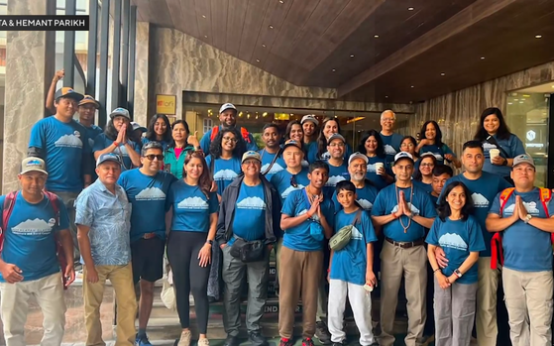 Himalayan Pilgrimage: A Couple’s Narrow Escape and Lingering Questions
  Former CEO Sentenced for Bank Fraud and Sanctions Evasion
 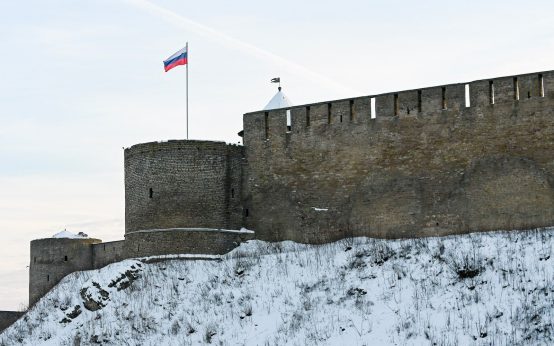 Russia’s Potential Incursion Into Estonia: NATO’s Resilience Under Scrutiny
  Senators Urge Action to Free Imprisoned Journalist in Iran
  Trump’s Address at UNGA and Key Political Developments