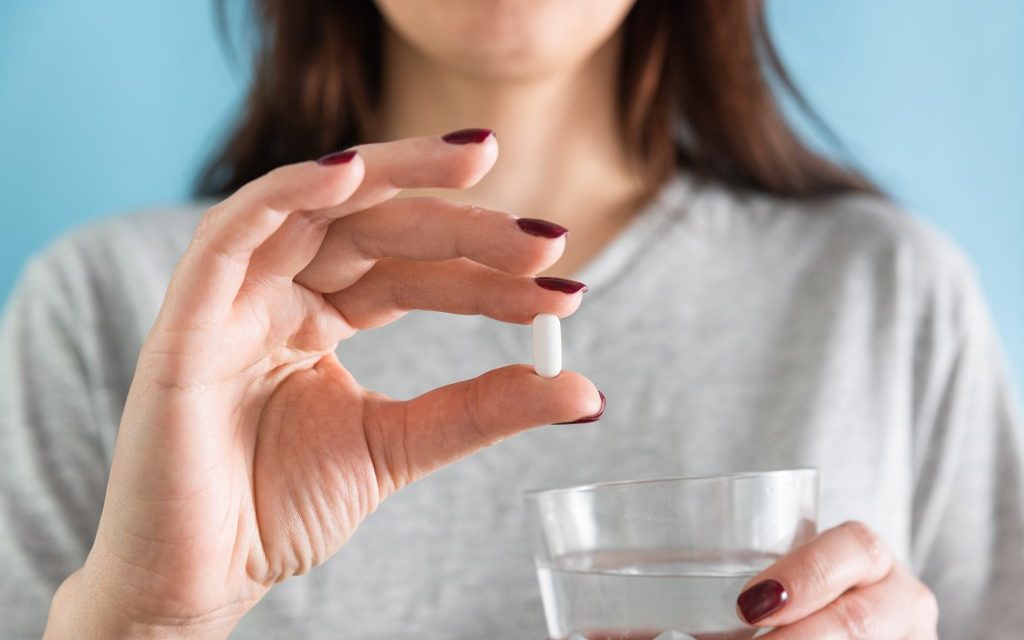
Over 80 million Americans face hair loss, leading many to turn to supplements for thicker and healthier hair. However, the quest for fuller hair might come with hidden risks. A popular hair growth vitamin can affect blood test accuracy, potentially masking serious medical conditions and delaying critical treatments.
The Biotin Dilemma
Biotin, or vitamin B7, is a common ingredient in hair-growth supplements. It is plentiful in foods like beef, poultry, egg yolks, nuts, sweet potatoes, and avocado. However, many people opt for pill or gummy forms, which often contain 5,000 to 10,000 micrograms of biotin. This far exceeds the recommended daily intake of approximately 30 micrograms for adults.
Dr. Maria Pino, a registered pharmacist and academic professional, notes that because biotin is available without a prescription, consumers often view it as harmless and start using it without consulting a healthcare provider.
Interference with Blood Tests
Excessive biotin intake can impede certain blood tests critical for diagnosing health conditions. According to dermatologist Dr. Navin S. Arora, tests using biotin in the testing process could yield false results due to high biotin levels from supplements. This can lead to incorrect treatment decisions.
A concerning example involves cardiac troponin, a protein essential for diagnosing heart attacks. High doses of biotin might result in falsely low troponin levels, prolonging diagnosis. Thyroid function tests could also be impacted, showing misleading levels of hormones.
Biotin could even affect tests for infections like hepatitis and syphilis, as well as cancer markers like prostate-specific antigen. Fortunately, many standard tests, such as complete blood counts and metabolic panels, do not rely on biotin-based methods.
Should You Take Biotin?
Consulting a healthcare provider before starting any supplement is crucial. If you are already taking biotin, inform your doctor of your dosage before undergoing lab tests. Generally, dosages under 1,000 micrograms per day pose minimal interaction risks. The FDA cautions that high-dose biotin can interfere with tests for cardiac and thyroid issues.
Allow for at least an eight-hour gap between taking biotin and having blood drawn, though 72 hours is preferable.
Rethinking Hair Growth Supplements
Although biotin is popular for brittle nails and thinning hair, its benefits for those without a deficiency lack strong evidence. True biotin deficiencies are rare among those with a balanced diet.
If you wish to avoid possible complications in future blood tests, consider biotin-free hair-care products. Options like Xtressé gummies, Lemme Grow capsules, and Nutrafol Women Advanced pills offer alternatives without added biotin, focusing instead on treating the underlying cause of hair loss.
 Thanksgiving Conversations: Navigating Politics and Maintaining Relationships
 Daisy Fuentes Embraces a Balanced Lifestyle in Her 60s
 Villa Vie’s Odyssey: The Dream of a Life at Sea Falls Short
 Best Black Friday Fashion Deals
 A Journey from People-Pleaser to Boundary-Setter
 Six Vintage Thanksgiving Recipes You Might Have Forgotten