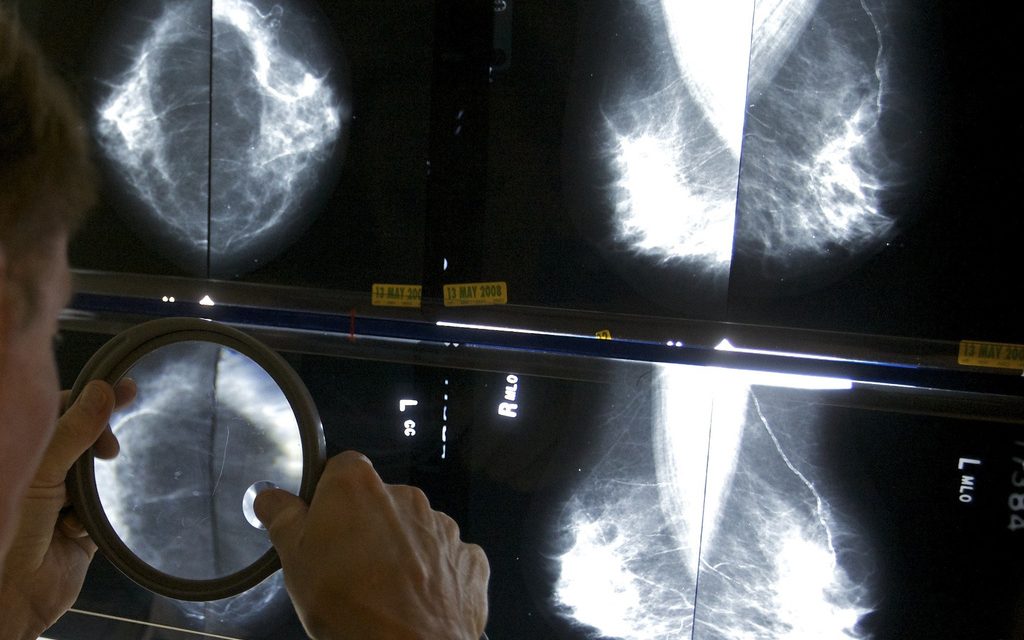
An image captures a radiologist meticulously examining mammograms for breast cancer signs in Los Angeles, dated May 6, 2010. (AP Photo/Damian Dovarganes, File)
My mother’s courageous journey as a triple-negative breast cancer survivor taught me the vital importance of knowing your own risk factors for breast cancer. A subsequent risk assessment indicated a high probability that I may develop breast cancer, prompting me to take decisive preventative action in the form of a double mastectomy. This was a serious decision, but one I embraced after understanding my risk. I firmly believe that every woman should have the chance to understand her risk and make informed health decisions.
Creating a universal tool for assessing breast cancer risk is crucial. Breast Cancer Awareness Month offers a chance to reflect on progress made in reducing breast cancer fatalities, while recognizing the ongoing challenges. Increasing access to screenings and early detection services provides women with more opportunities to identify and address risks early. However, much work remains in combating this disease that is all too common.
There is a need to dismantle barriers that prevent women from understanding their breast cancer risk, particularly in areas like rural Louisiana. The availability of a universal risk assessment tool could be transformative. These tools evaluate an individual’s likelihood of developing breast cancer based on factors like family history, reproductive history, and lifestyle. Yet, with numerous tools utilizing different metrics, confusion often arises. As noted by the National Institutes of Health, many women are unaware of the value these assessments hold. A comprehensive, standardized assessment paired with enhanced education on its importance could aid women in understanding their risk and taking appropriate measures.
This is the focus of my Know Your Risk Act. My proposal instructs the Department of Health and Human Services to develop a universal risk assessment tool accessible to all Americans. It also aims to extend risk assessment services through the National Breast and Cervical Cancer Early Detection Program. The need for a unified approach is evident. Current breast cancer risk assessment tools vary significantly in accuracy and effectiveness. A structured, evidence-based tool would enhance its reliability in clinical settings.
These tools are available in various formats, from paper questionnaires to digital apps, and evaluate diverse populations in varying ways. A universal tool would offer women more predictable and coherent risk information. It could potentially motivate women at higher risk to discuss preventive options with their physicians, which could prove life-saving.
My early intervention was pivotal in understanding my risk and deciding on preventive action. To extend this opportunity to every woman, leading health agencies must ensure no American remains unaware of her breast cancer risk. The National Institutes of Health’s new Women’s Health Division, alongside emerging artificial intelligence tools, can propel research forward. Regular consultation with doctors about mammograms and screenings should be encouraged to identify early concerns.
Approximately one in eight women will encounter breast cancer during her lifetime; early action can vastly enhance treatment effectiveness and survival chances. Securing access to an accurate risk assessment for all women is essential for enhancing prevention and care. I am committed to making this vision a reality.
Rep. Julia Letlow represents Louisiana’s 5th District in the U.S. House of Representatives and is the vice chair of the House Appropriations subcommittee dedicated to healthcare issues.
 Health Secretary Proposes Increased Access to Unapproved Peptides for Wellness
 The Broader Impact of Abortion Bans
 Trump Administration Explores Psychedelics for Veteran Mental Health
 Study Reveals Autistic Women Face More Severe Menopause Symptoms
 Wall Squats Show Promise for Lowering Blood Pressure
 Expert Tips for Managing Blood Sugar Through Everyday Habits