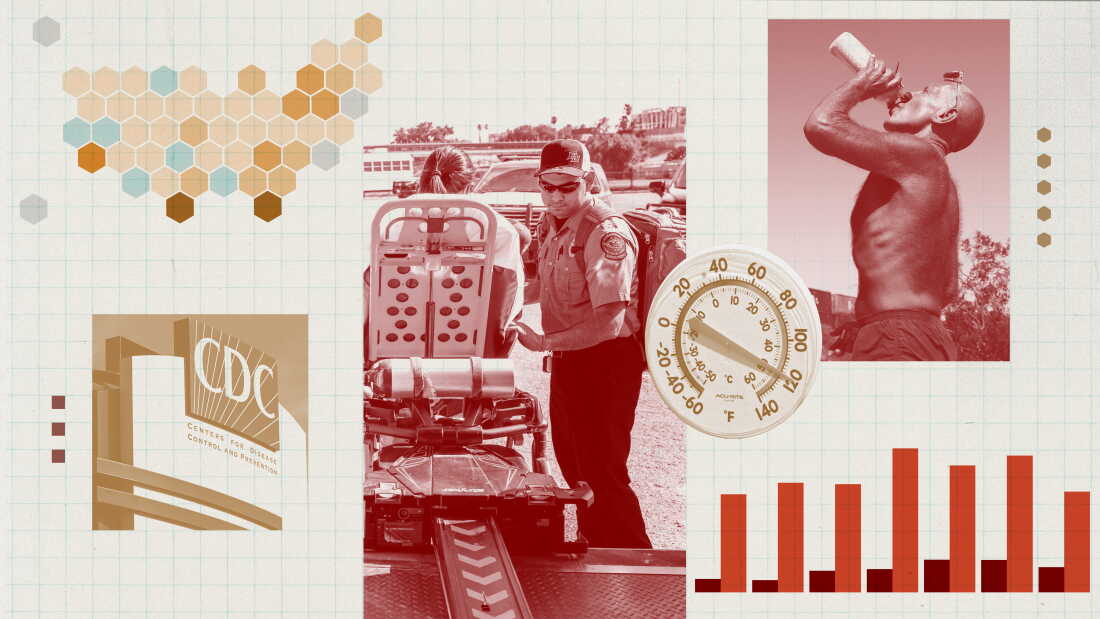
Thousands of deaths in the U.S. go unnoticed as heat-related issues worsen. Each year, the effects of rising temperatures, fueled by climate change, exacerbate heat-related health issues. Official statistics fail to capture the full extent of these deaths, leading to severe undercounts.
Efforts to Capture Accurate Data
NPR, in collaboration with Boston University, sought a precise count of heat-related deaths. The two-year study employed a statistical model covering nearly every U.S. county. Its findings, soon to be published in a scientific journal, highlighted significant gaps in recorded data.
“An accurate assessment of the true scope is critical for developing lifesaving solutions,” says Quinn Adams, a research scientist at Boston University’s Center for Climate and Health.
The researchers looked beyond statistical data, aiming to uncover personal stories of those whose deaths went unrecognized.
The Extent of the Undercount
The CDC collects data on heat-related deaths. Between 2004 and 2018, their reports showed an average of 700 deaths annually, which increased to about 1,700 in recent years. Despite this, NPR and BU estimate approximately 9,000 deaths each year are linked to heat.
This research suggests that some years see more than 10,000 heat-related deaths, far exceeding official counts. Heat waves have doubled in frequency in the past few decades, with 50 major cities facing extended heat seasons.
Why the Undercount Occurs
Heat often plays a hidden role in fatalities, says Sameed Khatana from the University of Pennsylvania. It can exacerbate existing health conditions, such as heart disease, causing misleading death records.
“Heat is a silent killer,” Khatana notes, often acting as a catalyst for fatal outcomes in compromised individuals.
National Risks of Heat
The NPR and BU analysis reveals that heat-related deaths occur across the country. Florida and Texas record the highest numbers, but states not traditionally associated with extreme heat are also affected.
For instance, Michigan reports over 100 heat-related deaths annually, significantly surpassing official numbers. In Massachusetts, estimates suggest over 60 heat-related deaths occur each year, while Florida sees nearly 1,900, challenging the reported figures.
Improving Heat Death Counts
Though the CDC’s tracking of heat deaths has improved, discrepancies persist. Maricopa County, Arizona, exemplifies progress with detailed protocols for identifying heat-related fatalities. However, areas like Los Angeles and Houston still report minimal numbers despite contrary findings.
Nichole Quick from the Los Angeles County Department of Public Health acknowledges the undercounts and notes the complexity in improving the system statewide.
Improving data collection and raising awareness about heat’s wider health impact remain crucial for policy changes and personal safety measures.
“Most people don’t see themselves as vulnerable to heat,” explains Adams. “But when extreme conditions arise, anyone can be at risk.”
NPR will continue exploring the factors that contribute to underreported heat-related deaths and potential prevention strategies.
Supporting Research
This research received support from health journalism funding and utilized comprehensive mortality data. Data analysis encompassed 530 U.S. counties, covering approximately 73% of the U.S. population.
The study excluded 2020 data due to pandemic-related disruptions. Temperature estimates considered local climatic adaptations, reviewing heat’s varied health impacts nationwide.
 Accountability Beyond the Criminal Legal System
  Environmental Concerns Halt Tree Removal at East Potomac Golf Links
  Maintaining Healthy Knees Throughout Life
  West Virginia’s Nuclear Proposal Faces Local Opposition
  Lash Technician Battles Hodgkin Lymphoma: A Journey and New Beginnings
  Titan’s Journey from Hearing Loss to Laughter: A Heartwarming Transformation