
Alliances once deemed impossible are now taking shape following the October 27 election, as campaign trail restrictions are replaced by pragmatic coalition discussions.
On November 27, 2026, it was reported that Gadi Eisenkot, captured in the photo by Ilia Yefimovich of AFP/Getty Images, is at the forefront of efforts to form a new Israeli government. The current political climate necessitates unconventional partnerships and cooperation between diverse political figures and ideologies.
The scenario described is not an exaggeration. It illustrates the complexities of coalition-building in Israel, where figures such as an ultra-Orthodox rabbi, an Islamist dentist, and a secular leftist might find themselves collaborating in a cabinet room. These efforts, led by opposition bloc leader Gadi Eisenkot, have reached a stage often referred to as the ‘strange-bedfellows phase.’ In this phase, disparate groups work together towards common governance goals, a necessity in the evolving landscape of Israeli politics.
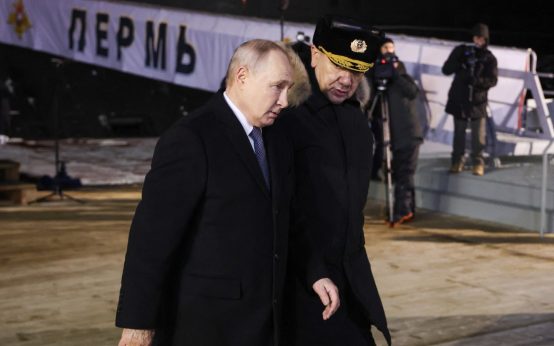 Russia Strengthens Nuclear Deterrence Infrastructure Amid Global Tensions
 Senator’s Husband Passes Away
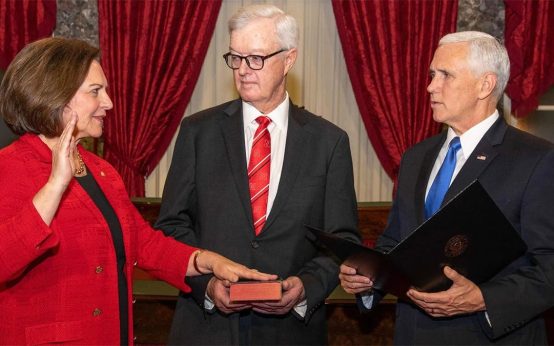 Senator Deb Fischer’s Husband Dies by Suicide
 Infosys Leads H-1B Visa Approvals in Texas Amid Controversy
 Building Collapse in Karachi Results in Tragic Loss of Lives
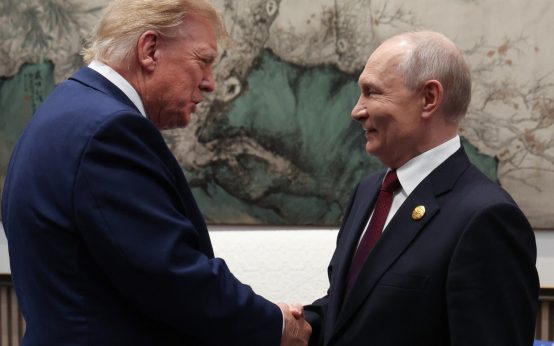 Trump’s Diplomatic Approach to Putin: Flattery and Criticism