
AI Regulations and Political Influence
Discussions on regulating artificial intelligence are quickening, and Anthropic has been significantly active financially. Over the past year, this company has allocated $40 million to pro-AI-safety nonprofit, Public First Action. This nonprofit funds super PACs that played a major role in the recent U.S. midterm elections.
These super PACs invested over $25 million in shaping House and Senate races across 12 states, supporting both Democratic and Republican candidates. As a result, eight out of 13 backed candidates will join Congress in January, with only one opposition-backed candidate also securing a seat. The supported candidates included Rep. Valerie Foushee (D-North Carolina), Sen. Pete Ricketts (R-Nebraska), and Democrat Brian Poindexter, who won against Rep. Max Miller in Ohio.
Public First Action faced notable defeat in New York’s 12th Congressional District against the super PAC Leading the Future, supported by OpenAI. Despite strong backing from Public First, AI critic Alex Bores lost in the Democratic primary, largely due to financial opposition from Leading the Future. Rep.-elect Micah Lasher (D-New York), who beat Bores, has expressed support for more than a dozen AI regulations, reflecting an AI-critical stance.
Waymo Halts Driverless Taxis
Waymo has paused its driverless taxi services on U.S. freeways due to restrictions imposed by the California Department of Motor Vehicles. The DMV cited incidents, such as the entrance of Waymo’s vehicles into construction zones, as safety concerns.
Currently, Waymo’s commercial freeway rides are halted in all operational markets. The company needs to demonstrate corrective measures before resuming these services. At present, their driverless taxis serve areas like San Francisco Bay, Los Angeles, Miami, and Phoenix. Despite a recent incident at a construction zone, Waymo reported no injuries or collisions.
U.S. Refugee Policies with Focus on South Africans
The Department of Homeland Security, along with other agencies, aims to extend the refugee admissions ban implemented during Trump’s presidency until 2027. Exceptions continue for White South Africans, particularly those of Afrikaner descent.
Trump initiated this freeze citing security concerns. A recent report suggests that the U.S. admitted nearly 16,300 White South Africans through the program in fiscal 2026, with 23,000 more in processing. The refugee program’s future remains uncertain as the agencies work to align with Trump’s security criteria.
Military Reenlistment Incentives
A unique incentive is being offered to soldiers reenlisting in a Georgia-based U.S. Army battalion— a four-day weekend to enjoy the launch of the video game “Grand Theft Auto VI.” To qualify, soldiers agreed to extend their service term by two to six years.
The video game arrives on PlayStation 5 and Xbox, marking a major release after its predecessor, “GTA V.” This perk is supplementary to the usual reenlistment incentives like financial bonuses and special ceremonies. A soldier benefiting from this offer reportedly received bonuses exceeding $60,000.
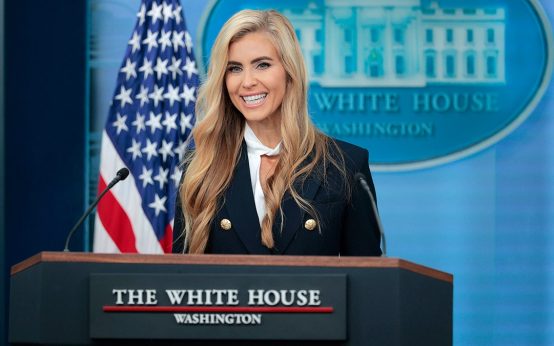 Former Press Secretary Criticizes GOP’s Election Strategies
 Lego Fortnite Supply Llama: A Tween’s Dream Gift with Huge Savings
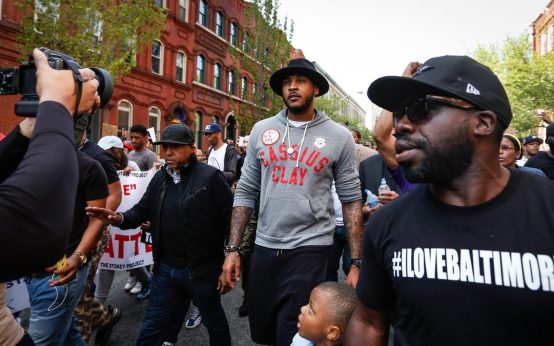 Carmelo Anthony’s Defense of Baltimore Sparks Controversy
 Thanksgiving Remembrance: A Family’s Tribute to NYPD Detective Wenjian Liu
 Developments in Bar-tailed Godwit’s Migration, Trump-Cornyn Dispute, and Measles Resurgence
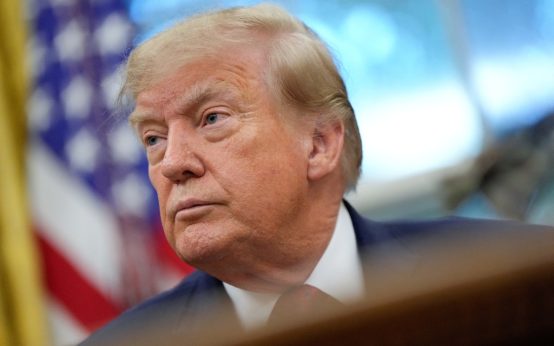 Trump and Cornyn Clash Over Judicial Nomination