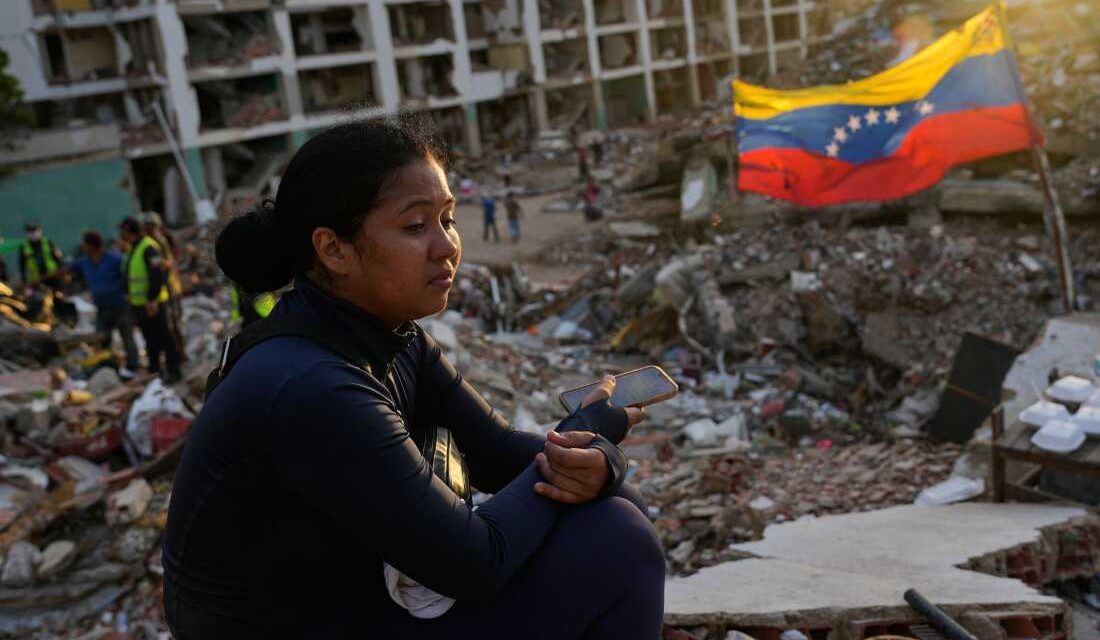
Amidst the rubble of collapsed buildings in La Guaira, Venezuela, Estefany Landaez waits for news about her two children after a pair of devastating earthquakes hit the country on July 12, 2026. The earthquakes claimed 4,829 lives and injured 16,740 people, according to government data.
In Caracas, a group of about 100 protesters gathered to demand free elections and the release of more than 300 political prisoners. Despite their efforts, Venezuelan authorities largely ignored the demonstration, which dissolved quickly after police agents were dispatched to monitor the situation.
With recovery from the earthquakes now a priority, Venezuela’s return to democracy faces delays. Acting President Delcy Rodríguez, who replaced Nicolás Maduro following his seizure by U.S. troops, is working with the Trump administration. However, U.S. officials are reportedly more concerned with reviving Venezuela’s oil industry than advancing democratic reforms.
Critics argue that the state of emergency post-disaster allows Rodríguez to sideline demands for presidential elections.
Efforts for political reform encountered roadblocks, including the brief closure of airspace when opposition leader María Corina Machado sought to return from the U.S. In a recent speech, Rodríguez accused her critics of exploiting the chaos to undermine her government.
Opposition activists like José Rolón express frustration over perpetual delays in political progress. Analysts like Vladimir Villegas suggest that before any elections, partisan institutions such as the electoral council and supreme court need replacement.
Previous elections have seen irregularities, with Maduro’s claims of victory in 2024 disputed by widespread evidence indicating he lost to Edmundo González, endorsed by Machado.
Polls show Rodríguez’s unpopularity, and she faces criticism for the slow earthquake response. Villegas notes Rodríguez might be wary of overstaying her term, observing Maduro’s fate—imprisoned in New York facing drug-trafficking charges.
Initial talks between opposition parties and Rodríguez envoys regarding democratic transition paused after the earthquake. Despite division within the opposition, Machado remains committed to pushing for free elections.
Machado’s faction boycotted last year’s legislative elections, criticizing those who chose to run and now form a small opposition bloc in the National Assembly. Reviving political parties, many overturned by Maduro’s regime, is challenging. Vente Venezuela, Machado’s party, is regrouping post-regime persecution and looting.
Recently, political prisoners like Henry Alviarez were released though still facing charges. Alviarez describes ongoing restrictions, yet voices resilience in rebuilding political activities.
As her return to Venezuela remains uncertain, Machado’s activists focus on earthquake relief, distributing medical supplies, and supporting health workers in disaster areas.
Volunteers like Rosa Cucunuba pledge recovery efforts will soon shift focus back to politics and push for free elections. She states, “We have to help people with what they need now, but that doesn’t mean stopping our fight for freedom.”
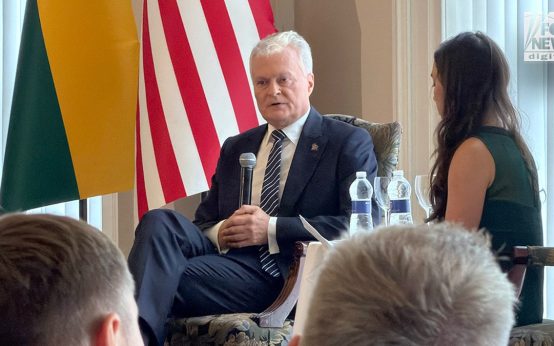 Lithuanian Leader Seeks U.S. Military Commitment Amid Rising Russian Threats
 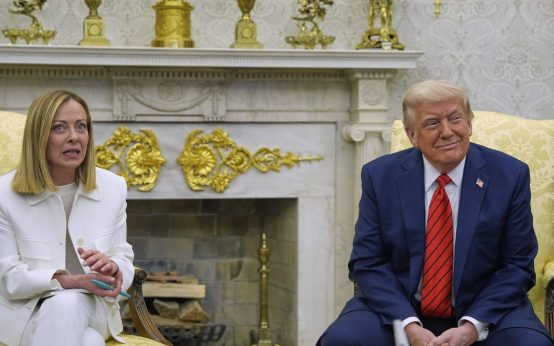 Italian PM Giorgia Meloni Skips UN General Assembly Amid Growing Tensions
 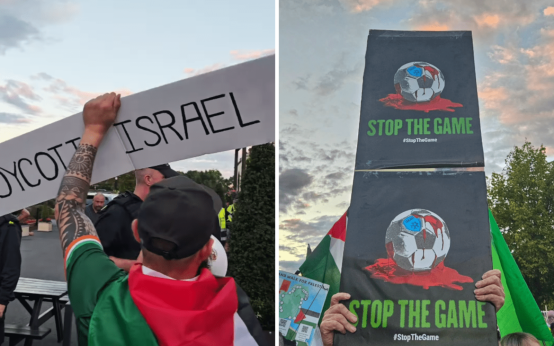 Calls Grow for Ireland’s Soccer Team to Boycott Matches Against Israel
 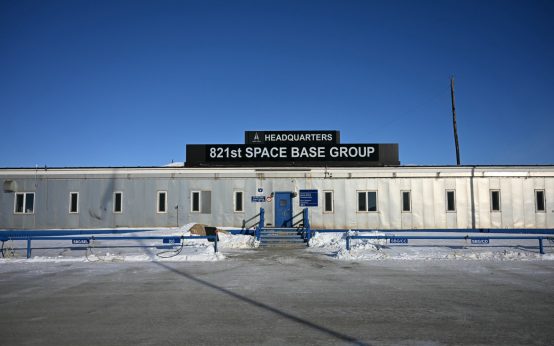 New U.S. Military Bases Planned in Greenland Amid Strategic Security Deal
 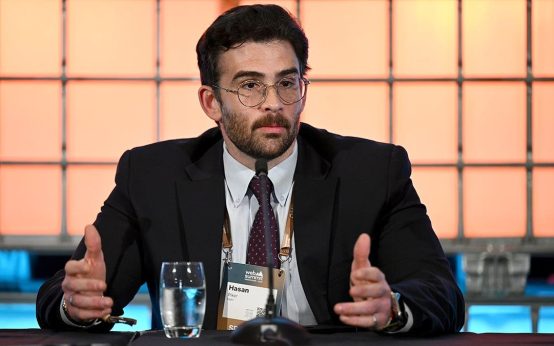 Twitch Streamer Hasan Piker Discusses Controversial Commentary
  A Shifting Political Landscape: The Decline of Autocratic Power