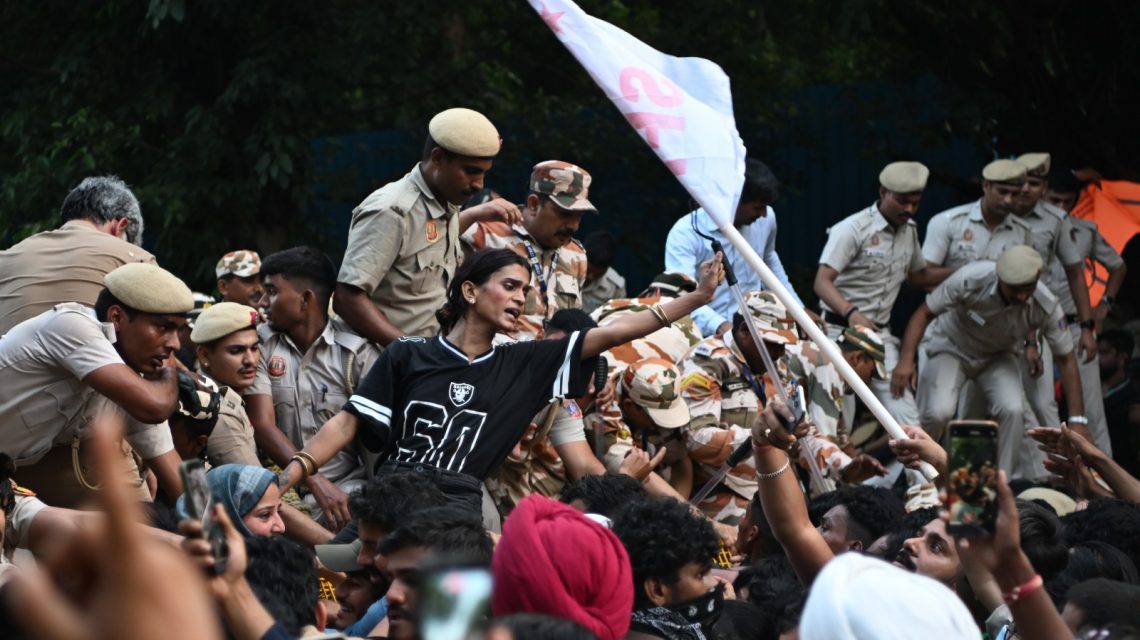
Maya Devi lives in an informal settlement near Delhi, dealing with a difficult life that still provided her a say in the world’s largest democracy. Recently, though, she’s lost this right. Devi is one of over 130 million individuals removed from India’s electoral rolls. This data, released by the Election Commission, has stirred anger and allegations of manipulation. A wave of protests has emerged, challenging Prime Minister Narendra Modi.
Political Unrest
Early Tuesday, leaders from the Cockroach Janta Party (CJP), a youth-led movement, were detained at a protest demanding the resignation of Chief Election Commissioner Gyanesh Kumar. Over the weekend, about 2,400 protestors were temporarily held. On Monday, opposition leaders marched to the Supreme Court, seeking intervention. The situation in India mirrors voter rights controversies in the United States. However, here, the focus is on the removal of names equaling Mexico’s population.
“I have voted for decades. Suddenly, my right is gone, and my family too. I’m shocked,” Devi told Newsweek. Her family, unable to read or write, finds their names removed from voter lists.
Critics argue the voter-list revision led by Kumar could disenfranchise legitimate voters. The Election Commission and BJP deny any political manipulation. BJP spokesperson Sudhanshu Trivedi stated that those removed are not valid voters. The Election Commission contended the numbers refer to electors marked absent, shifted, deceased, or duplicate in draft rolls.
Legal and Social Issues
Hrishika Jain, a legal scholar, criticized the Special Intensive Revision (SIR) for lacking fairness. Jain noted that the process disproportionately impacts those without stable housing, like migrant workers and others with document challenges. She warned about repercussions affecting housing claims.
Electoral Impact
Neelanjan Sircar, a political analyst, examined the electoral implications of voter removal. Sircar noted an average 10% constituency-level decline in voter rolls in West Bengal’s 2026 elections. His analysis pointed to a swing benefiting Modi’s BJP over the Trinamool Congress (TMC). Voter roll deletions occurred in two phases, greatly affecting Muslim communities.
Praveen Rai, from the Centre for the Study of Developing Societies, dismissed claims of deliberate exclusion of religious or caste groups for BJP’s gain, citing media reports on illegal immigrant issues with Bangladesh. Rashmi Singh, a sociologist, pointed out challenges in rectifying discrepancies without booth-level support. Singh and Rai highlighted concerns that controversies undermine public confidence in democratic institutions.
Jain advocated for changing election commissioner appointments to ensure independence. Devi’s lost voting rights compounded hardships after their house was demolished. Out of options, she emphasizes, “We want our voting rights back… We don’t know whom to contact or how to retrieve our names.”
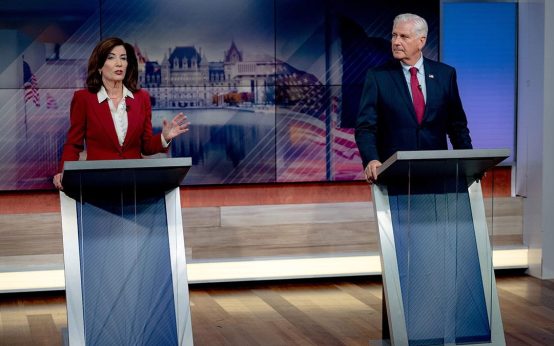 Debate Over Immigration and Economy Heats up New York Governor Race
  Greek Coastguard Rescues Woman After 20-Hour Sea Ordeal
  Recent Political Events and Policy Updates
  Investigation Surrounding Ilhan Omar’s Immigration Papers
  President’s Need for Greater Awareness of Electoral Challenges
 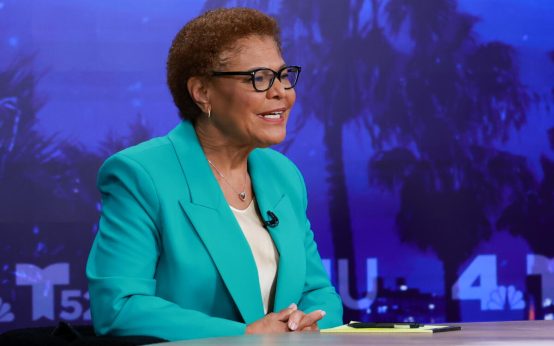 Debate Analysis: Bass vs. Raman in L.A. Mayoral Race