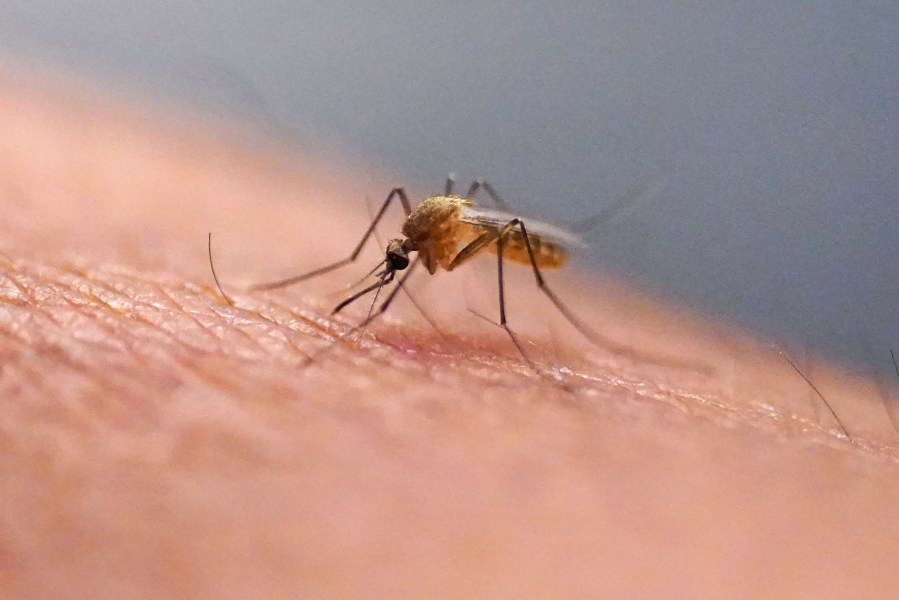
Google is working to tackle mosquito-borne diseases by releasing millions of mosquitoes in California and Florida. The company is seeking approval from the federal government to release up to 32 million mosquitoes as part of its “Debug” program.
The program aims to address mosquito-related health issues. According to the Centers for Disease Control, mosquitoes are the most dangerous animals globally. The Aedes aegypti species is particularly problematic, carrying diseases like dengue fever, Zika, and chikungunya, which affect millions annually.
“They’re a difficult problem to solve,” Google Debug notes on its project homepage, emphasizing the lack of effective vaccines or treatments for many mosquito-borne diseases.
Traditional methods like pesticides are becoming less effective and can be harmful. Clearing standing water alone is insufficient as mosquitoes find countless breeding spots. A new approach is required.
Google’s solution involves using male mosquitoes containing naturally-occurring Wolbachia bacteria. These mosquitoes cannot reproduce with wild females and do not bite or spread diseases, thus reducing the mosquito population over time.
This method avoids chemicals, toxins, and genetic modification. Similar techniques have been effective against other pests for decades. Google combines scientific expertise with international partnerships to implement this project.
Using data analytics, sensors, and automation, Google plans to scale the Sterile Insect Technique. The program works with governments, community leaders, and research institutes to ensure a thorough understanding of local needs before starting operations.
Google seeks federal approval to proceed in California and Florida. The Environmental Protection Agency is evaluating Google’s Experimental Use Permit applications. In Florida, up to 16 million mosquitoes would be released in the first year, followed by another 16 million in California the next year.
The public can comment on the proposal at the Federal eRulemaking Portal by referencing docket number EPA-HQ-OPP-2025-3951. Google’s “How we stop bad bugs” webpage provides more details on the program.
 President Trump Proposes ‘Super Intelligence’ as New AI Term
  Potential Changes in Medicare Reimbursement for Lab Tests
  First Lady Melania Trump’s AI Education Push Amid Concerns
  Expansion of Data Centers Fueled by AI Development
  Understanding and Addressing the Complexity of Suicide
  Recall of Meat Products from Star Meat Delivery Inc.