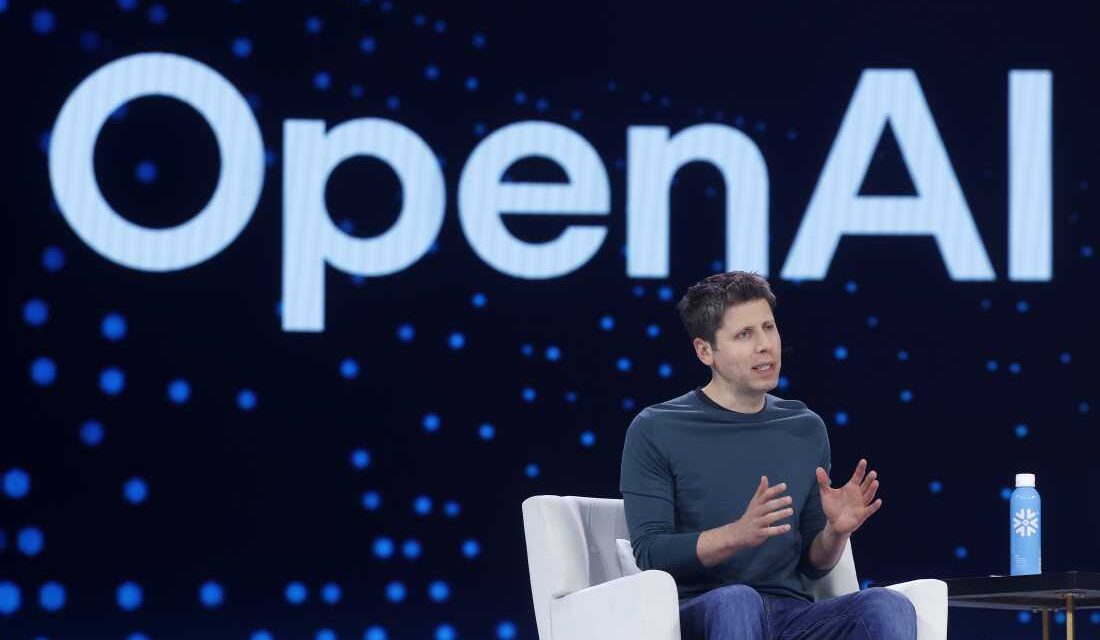
Florida has initiated a lawsuit against OpenAI and its CEO, Sam Altman, marking the state’s first legal action against the company responsible for ChatGPT. Filed on Monday in state court, the lawsuit claims OpenAI failed to caution users about potential dangers associated with ChatGPT. Instead, it accuses the company of promoting the chatbot as safe, even for children.
The lawsuit positions itself as part of a wider movement to hold AI firms accountable. It accuses OpenAI of various harmful acts, including facilitating mass shootings and promoting suicide. The lawsuit highlights an incident involving a shooter at Florida State University, asserting the individual used ChatGPT to plan the attack.
“This litany of harms is driven by Defendants’ insatiable quest to win the AI arms race and amass large fortunes, despite knowing the danger of ChatGPT,” the complaint stated.
Legal action is also aimed at holding Altman personally accountable. Florida Attorney General James Uthmeier emphasized this by stating, “Sam Altman and ChatGPT have chosen the AI race over the safety and security of our kids.” He warned of potential penalties amounting to billions.
OpenAI responded through spokesperson Kayla Wood, expressing condolences to affected families. She emphasized the company’s commitment to AI safety, especially concerning minors. Wood noted OpenAI’s protective measures, such as an age prediction tool and options for parental monitoring.
Despite these claims, Florida’s lawsuit labels OpenAI’s safeguards as ineffective, portraying the company as fostering a “dangerous public nuisance.” The complaint begins with a screenshot from OpenAI’s website highlighting safety claims, followed by a critical footnote.
In addition to this lawsuit, Uthmeier’s office continues to probe OpenAI regarding the FSU shooting. More than 20 lawsuits have emerged, demanding accountability for various incidents linked to ChatGPT, including suicides and mass shootings.
Altman apologized to the Tumbler Ridge community in April. OpenAI responded to allegations by asserting a “zero tolerance” policy for violent aid through its tools. After Uthmeier’s criminal inquiry, an OpenAI spokesperson defended ChatGPT, stating it only provided factual internet-based responses.
OpenAI is not alone in facing legal scrutiny. Other companies like Google and Character.AI confront lawsuits over alleged harm from their chatbots. Google’s Gemini chatbot, involved in a wrongful death case, was accused of not preventing self-harm adequately. Character.AI settled lawsuits claiming its chatbots contributed to youth suicides and mental crises, responding by restricting users under 18.
Last month, Pennsylvania filed a lawsuit against Character.AI for purportedly violating medical licensing rules through advice-giving chatbots. A Character.AI spokesperson reiterated the company’s focus on user safety as a priority.
 Beijing’s Tactical Undermining of U.S. Supremacy Through AI
  Controversy Surrounds Automated License Plate Readers Across the U.S.
  Trump and Harp Sued Over Truth Social Subscriber Program
  Implications of AI in College Admissions
  Congressional Inaction Amid AI Concerns
  Rising Demand for Data Centers Driven by AI Development