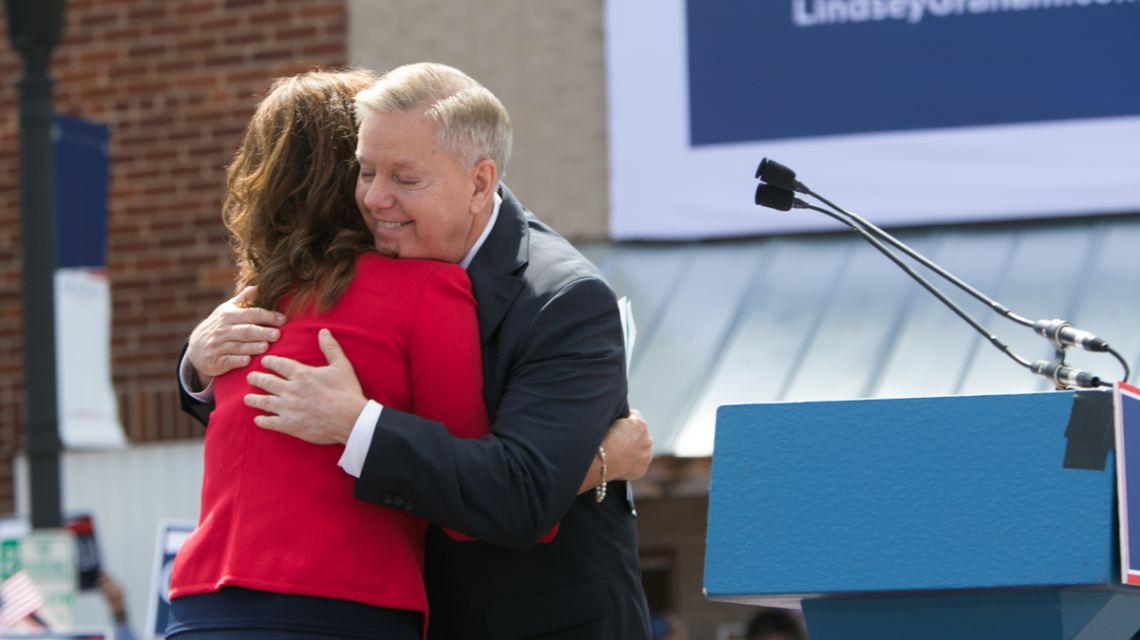
Nine Republican candidates aiming to fill the late Sen. Lindsey Graham’s seat participated in a public forum in Florence County, South Carolina. The candidates addressed pressing issues like the conflict with Iran, socialist influences in the Democratic Party, and concerns about Flock cameras.
The event, hosted by Alan Wilson, a Republican gubernatorial nominee, involved each candidate speaking for six minutes. The upcoming Republican Senate primary on August 11 added urgency to the candidates’ presentations.
Focus Areas of the Candidates
Sen. Darline Graham
Darline Graham, who temporarily took over her brother’s term, emphasized her desire to serve the public, highlighting her management of the South Carolina Commission for the Blind. She stated her alignment with President Trump’s stances, including opposition to transgender girls in female sports and support for voter ID laws.
Rep. Ralph Norman
Rep. Ralph Norman criticized the Senate’s procedural rules as obstructive. He advocated for altering these rules to promote legislative action. Norman also expressed environmental concerns about AI data centers, opposing Trump’s promotion of such facilities.
Former Mayor Mark McBride
Mark McBride broke from Trump’s Iran policy, urging an end to the conflict. He concluded that the current strategy was unsuccessful, calling for troops to regroup.
Sam Shepherd
Sam Shepherd claimed to be more conservative than Trump, citing his record of innovation and problem-solving capabilities within governmental structures. He argued for a practical approach to government.
Rep. Russell Fry
Rep. Russell Fry linked regulatory burdens to economic challenges. He argued for deregulation, specifically targeting Biden’s approach to immigration, which Fry believes has exacerbated these issues.
Former Gov. Mark Sanford
Mark Sanford focused on the national debt, highlighting its adverse effects on economic opportunities. He noted the growing difficulty for individuals to achieve financial milestones, such as homeownership, due to government fiscal policies.
Businessman Mark Lynch
Mark Lynch advocated eliminating the filibuster and opposed receiving donations from AIPAC. He strongly focused on anti-abortion advocacy, emphasizing his outreach efforts to influence state legislation.
Danny Ford II
Danny Ford II raised concerns about privacy surrounding Flock cameras and the uncontrolled expansion of data centers. He emphasized the need for sustainable practices in handling these developments.
Retired Analyst Glenda Gail Parker
Glenda Gail Parker, identifying as a conservative independent, diverged from Trump on energy policy. She pushed for reduced reliance on fossil fuels and encouraged the transition to renewable energy.
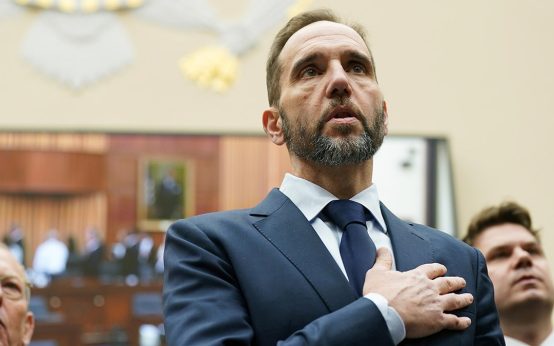 House Republicans Release Transcripts in Jack Smith Investigation
 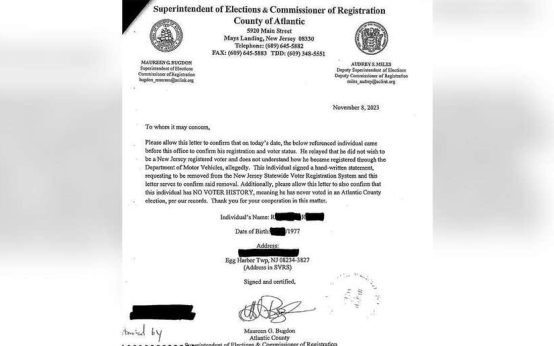 RNC Files Lawsuit for Transparency in New Jersey’s Voter Roll Maintenance
 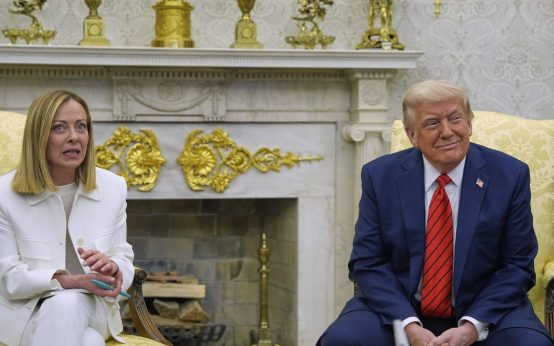 Italian PM Giorgia Meloni Skips UN General Assembly Amid Growing Tensions
  Calls Grow for Ireland’s Soccer Team to Boycott Matches Against Israel
  Congressman Randy Fine’s Bold Political Stance and Views on AI Regulation
  Political Messaging and Strategy Leading Up to Midterms