The debate surrounding the potential winner of the 2026 World Cup is already underway, with enthusiasts relying on various strategies to make predictions. These strategies include personal intuition, detailed data analytics, speculative AI analyses, or even casual opinions shared in social settings. But what insights can history provide about potential outcomes?
Historical Analysis of World Cup Winners
In an endeavor to understand which team might have the upper hand in 2026, an analysis has been conducted, looking into past winners’ characteristics. Factors like managerial experience, team age, qualification routes, player profiles, and the proportion of home-based players have all been assessed to draw parallels with competing teams.
Key Observations
- Performance in previous tournaments holds less significance.
- The origin of the team plays a substantial role.
- The reputation of the coach is pivotal, yet nuanced.
It’s crucial to note that while historical patterns offer insights, they don’t guarantee outcomes. Knockout tournaments are unpredictable by nature. Nonetheless, this method is certainly more structured than casual conjecture.
Historical Factors
Several factors deemed insignificant in the past now warrant reconsideration:
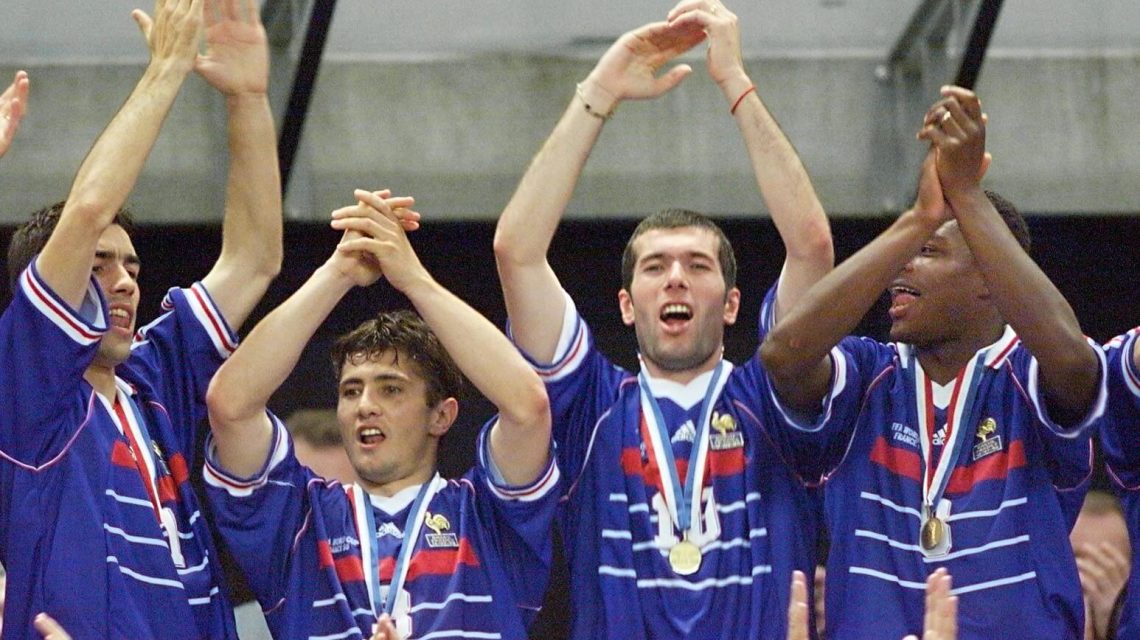
Hosting: While historically advantageous, recent data shows it’s no longer a definitive factor. Out of the last eleven hosts, only France (1998) clinched a win.
Regional Wins: The belief that European teams couldn’t succeed outside Europe was challenged in 2010 when Spain secured victory in South Africa.
Star Players: A single superstar doesn’t necessarily ensure victory. The current Ballon d’Or winner seldom corresponds with World Cup success.
Club Success: Having players from clubs with recent major wins is not essential. The 2002 Brazil team, for instance, had limited continental champions.
Eliminating Potential Winners
Let’s narrow down the 2026 contenders using data-backed criteria:
- Holders Curse: No team has repeated a win since Brazil in 1962, posing challenges for defending champions Argentina.
- World Rankings: The top-ranked team hasn’t won since the rankings’ inception in 1992. France, being at the top, faces tough odds.
- Favorites: Winning necessitates pedigree, but teams like Mexico, the U.S., Senegal, Morocco, and Japan have historically fallen short.
Coaching Analysis
- Repeat Winners: No coach, besides Vittorio Pozzo, has achieved multiple World Cup victories. This doesn’t bode well for Didier Deschamps and Lionel Scaloni.
- Foreign Coaches: No foreign coach has secured a World Cup victory, impacting teams like Brazil and England.
Promising Contenders
Given these stringent criteria, Spain, the Netherlands, Germany, and Croatia emerge as strong contenders. A closer examination reveals:
- Goalscorers: Teams typically need a prolific scorer but this criteria sees limited candidates in 2026.
- Home-Based Players: Historically, a robust presence of domestic players has been crucial.
- Legendary Captains: A seasoned captain enhances prospects. Noteworthy figures include Modric, Kimmich, and van Dijk.
The Verdict
Factoring in historical data and team compositions, Germany emerges as the best fit for historical trends. This analysis suggests that their balanced squad aligns well historically with previous World Cup victors.
Ultimately, while such an analysis doesn’t replace real-time tactical assessments, it offers an intriguing historical context to the 2026 World Cup predictions. Remember this analysis when discussing potential winners with friends and fellow fans.
 Steve Lotysz: From Medinah’s Gates to Presidents Cup Artistry
  Calls Grow for Ireland’s Soccer Team to Boycott Matches Against Israel
  Is NHL Preseason Necessary?
  Impact of World Baseball Classic on Paul Skenes’ Performance
  Ronald Acuna Jr. Suffers Injury During Game Against Cincinnati Reds
  Joe Burrow’s Unexpected Post-Game Recovery