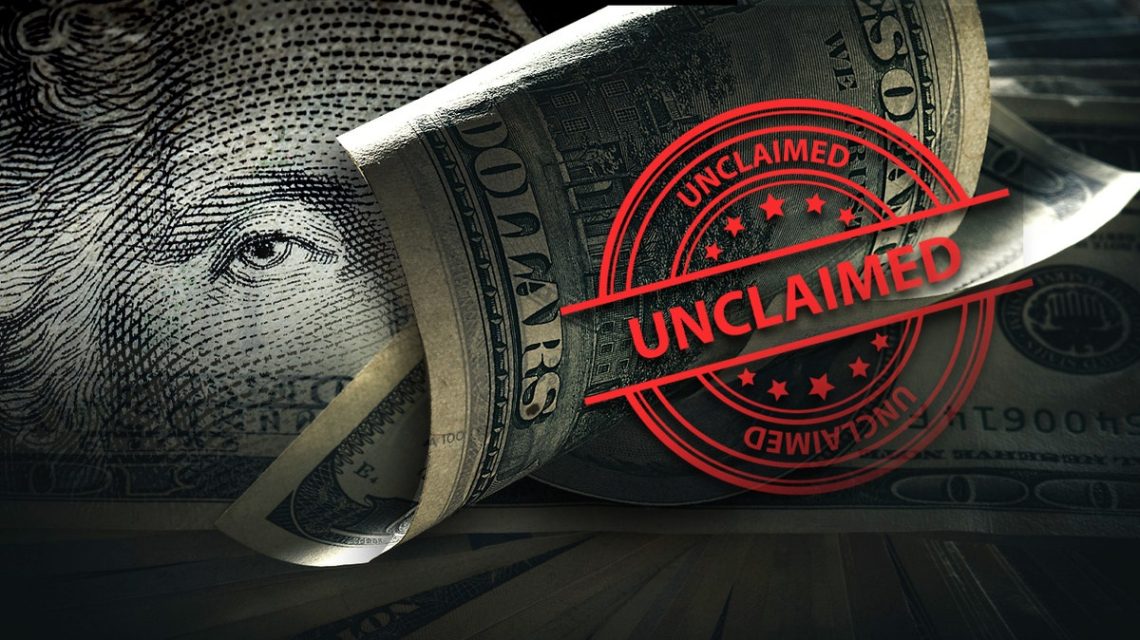
Recently, I explored Colorado’s unclaimed property database and stumbled upon familiar territory. My cousin Jonathan’s name was listed with an old address and a nondescript label: “over $250.” This amount could range anywhere from $251 to something much larger. Ultimately, it was nearly $30,000.
Discoveries like these raise questions. How are Americans unaware of such assets? The situation is not a localized story, but part of a much larger issue.
The Unclaimed Property Problem
Across the United States, state governments hold more than $100 billion in unclaimed property. This includes forgotten bank accounts, old paychecks, unclaimed refunds, and more. New York has over $20 billion, California approximately $15 billion, and Texas about $10 billion. This money rightfully belongs to individuals, not the government.
The term used is “unclaimed property.” In theory, these programs are meant to protect consumers. If institutions cannot reach you, the state takes the funds to safeguard them until claimed. In practice, the reality diverges.
How States Use Unclaimed Money
Once in state custody, this money becomes an unofficial revenue stream. States utilize it to fund programs, patch budget gaps, and enhance financial statements. The process for reclaiming funds is often cumbersome and obscure, leading many to forfeit their money unknowingly.
In states like Delaware, unclaimed property contributes significantly to revenue. Virginia allocates it for teacher pensions and police funding. Connecticut uses it for election campaigns. Ohio even considered stadium funding. This system feeds on forgetfulness, turning private money into public finance without taxpayer awareness.
The Challenge of Reclaiming Funds
Many states obscure the specifics of what individuals are owed, using vague terms like “over $250.” This tactic discourages pursuit and often hides substantial amounts. New Jersey omits claims under $100 from public view, while Michigan conceals those under $50. In North Dakota, even large claims might appear non-existent in searches.
Retrieving this money often involves extensive documentation, from notarized forms to death certificates. Although precautions against fraud are needed, the bureaucracy seems designed to dishearten claimants. Each complex step increases the likelihood of abandonment, benefiting state budgets.
The Path to Reform
Efforts for reform are gaining traction. Some lawmakers, including Sen. Elizabeth Warren, are pushing for transparency and streamlining of the system. Basic honesty and straightforward procedures could be the solution.
States should disclose exact amounts owed. All claims should be publicized, regardless of size. Matching individuals with their assets using existing databases should become standard, and claims should be simple to file digitally. If states earn interest on unclaimed property, rightful owners should too.
Ultimately, this money is not free for states to utilize. It is someone’s forgotten tax refund, insurance payout, paycheck, or bank account, all of which constitute private property.
My cousin was fortunate; not everyone is. Relying on luck should not define the system. The government must recognize that “unclaimed” does not mean “unwanted,” nor does “forgotten” imply “forfeited.”
 Religion’s Persistence in Modern Society
  Impeachment and Limiting Executive Power: A Democratic Imperative
  We’ve Seen This Supposed AI Steamroller Before
  Lane Kiffin Criticized After Ole Miss Loss While Florida Football Faces Social Media Fiasco
  Criticism of Kaepernick’s NFL Draft Comparison
  Handling Rumors About Neighbors When Selling a Property