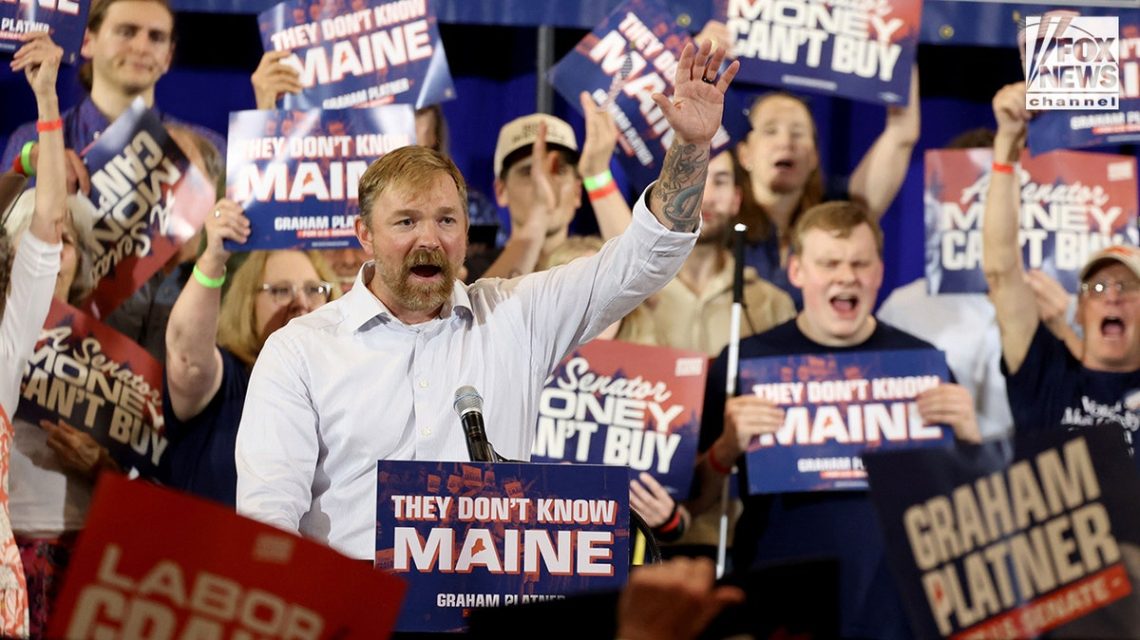
Amid significant controversy, New York Times reporter Jodi Kantor recently appeared on CNN to discuss Democrats supporting Maine senatorial candidate Graham Platner. Despite allegations from multiple women, Kantor clarifies that these are not typical Me Too claims.
Kantor, known for her Pulitzer-winning work on Harvey Weinstein’s abuses, was asked to address why some liberals overlook Platner’s alleged misconduct. Accusations include physical abuse by an ex-girlfriend and inappropriate communication with women.
In her explanation, Kantor noted these incidents were not the classic boss-employee dynamic typically associated with Me Too cases. Instead, they arose from consensual relationships. She emphasized the distinction by stating, “They were mostly made in the context of consensual relationships.” The allegations, she asserted, lacked the characteristics of traditional abuse claims.
Kantor stated, “There was one allegation of crossing a line physically, but I think that means that these are pretty different accusations than, say, the ones that President Trump faced.”
The allegations against Platner extend beyond abuse. He is accused of mocking a wounded veteran, rural communities, and rape survivors while expressing controversial political views.
Notably, Kantor distinguishes these from wider Me Too controversies, highlighting how the movement became politicized, especially during the Brett Kavanaugh hearings. She reflected on how such discussions previously seemed bipartisan but took a partisan turn with Kavanaugh.
On CNN, figures like Senate Minority Leader Chuck Schumer and Senator Elizabeth Warren celebrated Platner’s nomination despite the controversy. Among media personalities, Sunny Hostin has also expressed support for prioritizing political power over the candidate’s character.
Kantor’s comments highlight a broader tension within the political sphere regarding allegations of misconduct and support for politically advantageous candidates. While Kantor reiterated the differences in Platner’s case, her defense sparked debate akin to past political controversies.
 Federal Appeals Court Decision Against Trump’s ‘Third-Country’ Deportation Policy
  President Trump’s Controversial Ban on Media Outlets Sparks Press Freedom Concerns
  U.S. Security Agreement in Greenland Sparks Optimism and Concerns
  Cook County’s Property Tax Bridge Loans
  A Controversial Stance on Immigration Policies Sparks Debate in South Carolina
  Trump Administration Challenges In-State Tuition for Undocumented Students