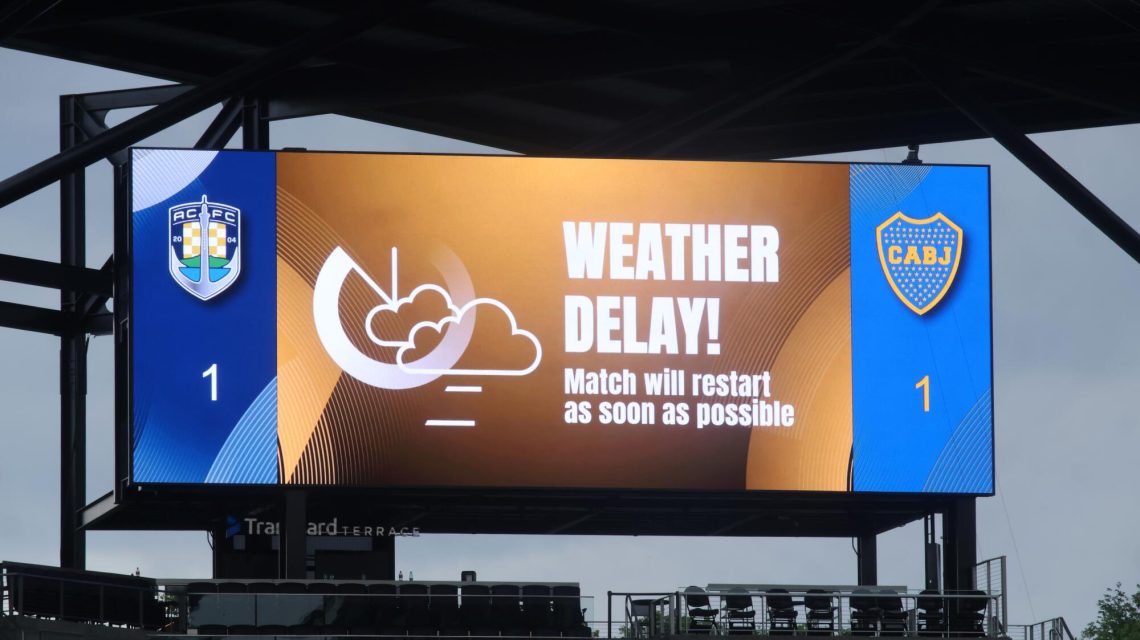
Lionel Messi and the Argentine World Cup team arrived in Kansas City amidst disruptive thunderstorms. These storms caused power outages, uprooted trees, and triggered flood and tornado warnings. Such weather conditions are hardly suitable for an event as grand as the World Cup, which will be hosted across Mexico, Canada, and the U.S. for 38 days. This weather disturbance is expected to be part of a broader pattern affecting the tournament.
Kaitlyn Trudeau, a senior research associate at Climate Central, emphasized the impact of climate change on this year’s World Cup. She noted that, beyond just rising temperatures, increased humidity levels add to the challenge. Since the first World Cup in 1930, average June temperatures have risen by 1.89 degrees Fahrenheit, according to the U.S. National Oceanic and Atmospheric Administration. Although this increase might seem minor, it results from many instances of extreme heat.
It can be a very dangerous situation
, Trudeau remarked. FIFA President Gianni Infantino is already considering moving the event to March or October for tournaments beyond 2030. Meanwhile, adaptations like early match kickoffs, breaks for player cooling, air-conditioned venues, and delays due to weather are becoming standard.
Elliot Arthur-Worsop, director of Football For Future, highlighted the growing unpredictability of extreme weather events. He advocated for potential changes in the tournament schedule and pointed out the risks faced by players, spectators, and officials due to severe conditions. Strategies might involve moving the tournament to safer months, adjusting match times, providing hydration breaks, and implementing heat safety protocols.
Some climatologists worry that global competitions like the World Cup and the Olympics are increasingly vulnerable to weather-induced catastrophes. Arthur-Worsop’s study suggests the current World Cup may be the last held in North America due to climate challenges. He envisioned future difficulties stemming from heat waves and additional threats such as severe winds, flooding, and wildfires.
Trudeau expressed concern about the pace of necessary adaptations, arguing that humanity pushes itself to unsafe boundaries. She stressed that while an outright loss of the World Cup may not occur, finding safe times to host such events is becoming increasingly difficult. She argued against risking lives merely for entertainment or sport.
The 2022 World Cup in Qatar, moved from June to November, saw games played in air-conditioned venues. This summer, three out of the 16 venues in Atlanta, Houston, and Arlington provide such conditions. However, the 2030 World Cup, mainly in Spain, Portugal, and Morocco, will largely lack climate-controlled settings, despite their summer temperatures often exceeding 95 degrees Fahrenheit.
Research in the International Journal of Biometeorology indicates that 14 out of 16 host cities for this summer’s World Cup might surpass extreme heat stress levels. In locations like Miami, where seven games will occur, humidity could make a 90-degree day feel like 109 degrees. Such conditions hinder the body’s natural cooling through sweating, posing significant safety concerns for everyone involved.
Shifting games to cooler evening times might help, but FIFA schedules 40 of the 104 games, including many knockouts, for 3 p.m. or earlier. Although hydration breaks are included, Trudeau critiques their efficacy given the scheduling. She questioned FIFA’s chief priorities, suggesting they might focus more on viewership and revenue than player safety.
FIFA states that climate risks are considered in planning, with measures including shaded areas, misting, cooling transport, and reinforced first-aid protocols. Adaptations depend on real-time conditions.
The previous summer’s FIFA Club World Cup, held in the U.S., served as a practice run. It faced high temperatures, humidity, and disruptive weather like thunderstorms and lightning. Argentine midfielder Enzo Fernandez, affected by those conditions, found the heat dangerous and dizzying, pointing to the risks of such environmental extremes.
Besides health risks, weather also influences match quality. Julian Ryerson from Borussia Dortmund noted the challenges of playing in heat and humidity, emphasizing the necessity of basic precautions.
As the planet warms, the options for hosting a World Cup dwindle. Alternatives include scheduling the event at less traditional times or in non-traditional locations, potentially indoors. However, the option of foregoing the event altogether looms.
Trudeau warns that without addressing climate change, culturally important activities will be jeopardized. Actions align with the reminder that current practices are unsustainable in a warming world.
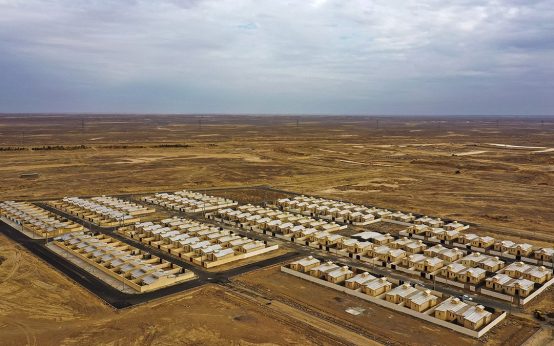 Iranian Opposition Groups Intensify Armed Resistance in Southeastern Provinces
 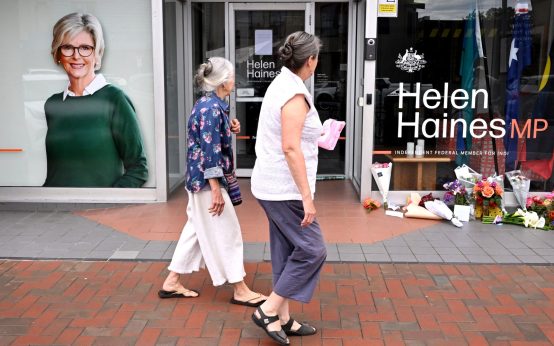 Australian Media Reports on Arrest in Attack on MP Helen Haines
  France Faces Unrest as Violence Spurs Curfews and Mass Arrests
  Ultra-Orthodox Draft Evasion Arrests at Ben Gurion Airport
  Ukrainians in the U.S. Face Uncertainty Over Work Status Amid Policy Changes
 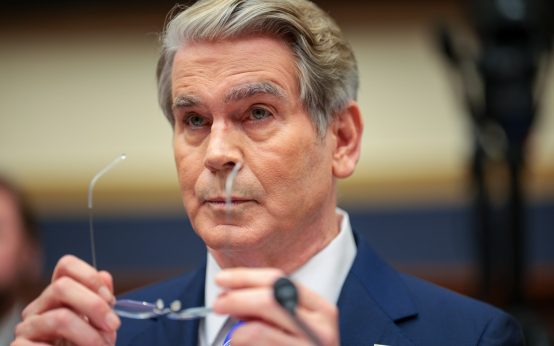 U.S.-Ukraine Tensions Escalate Over Intelligence Sharing and Starlink Restrictions