Background of the Jersey Collaboration
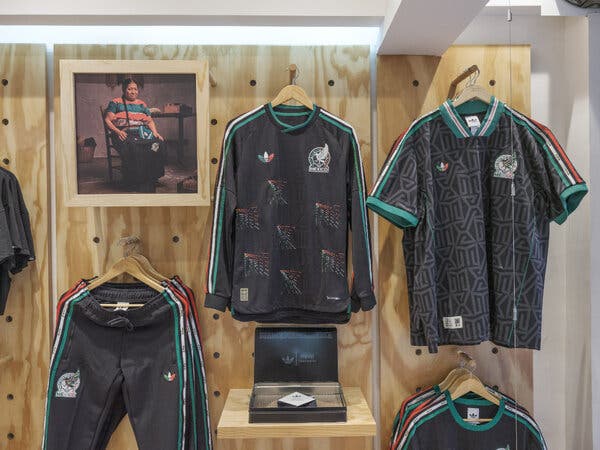
The controversy began with a seemingly positive initiative. Someone Somewhere, a Mexican clothing brand, suggested that Indigenous artisans could embroider Mexico’s World Cup jerseys. This initiative aimed to connect Mexico’s cultural heritage with contemporary efforts, providing economic opportunities to marginalized communities. Adidas responded to the proposal, and two years later, it launched jerseys embroidered by Nahua women from the remote town of Naupan in central Mexico.
Adidas and the Artisans
The collaboration between Adidas and Someone Somewhere gained attention. Adidas invited two of the artisans to Germany to recognize their contribution in the company’s archives. Other artisans participated in a pre-tournament event, showcasing their involvement. The jerseys, priced from $90 to $285 based on the amount of embroidery, were in high demand, selling out quickly despite the high cost.
Criticism and Allegations
However, the project faced backlash. Activists, including the prominent Mexican influencer Luz Valdez, accused Adidas of exploiting the Nahua women. These activists claimed that the artisans were depicted merely as cultural icons for profit. Allegedly, the craftsmen were unable to use their traditional embroidery methods, having to adapt to Western techniques instead.
Public Reaction
The Ssource text indicates growing public discontent about the treatment of these artisans. Social media platforms amplified these concerns, reaching large audiences. This raised questions about the ethics of major brands leveraging Indigenous cultures for marketing purposes.
 Artistic Chronicle of Communities’ Recovery Post-Hurricane Helene
  Chicago History Museum’s Latin American Exhibit Sparked by Student Protests
  DNA Links Jefferson to Hemings Descendants
  Ari Emanuel’s Memoir: A Business-Centric Narrative
  Celebrating Day of the Dead: Students Craft Calaveras in Pilsen
  Controversial Revelations from Charles Spencer’s New Book on Princess Diana