
The Chicago Tribune archives provide a glimpse into significant events on August 1 over the years. Here’s what unfolded in the Chicago area on this date:
Resignation and Legal Troubles of Nick Sauer
In 2018, Illinois’ 51st District state representative, Nick Sauer, resigned following allegations from an ex-girlfriend. He was accused of distributing nude photos of her to other men through Instagram. Sauer, from Lake Barrington, faced charges in 2019 for allegedly uploading private sexual images of two individuals without their consent, leading to 12 felony charges. The accusations involved complaints with both the Chicago Police Department and the state legislative inspector general. Sauer later pled guilty to a misdemeanor, receiving a 90-day jail sentence and 24 months’ probation.
Historic Weather Patterns
The National Weather Service records show varying weather extremes in Chicago on August 1:
- 1988: High temperature reached 100 degrees
- 1990: Low temperature dropped to 51 degrees
- 1961: Precipitation measured at 2.55 inches
- 2003: A trace amount of snowfall was recorded
1922 Great Railroad Strike
On August 1, 1922, over 20,000 employees began a strike at 4 a.m., joining approximately 400,000 railroad workers. This walkout halted services on Chicago’s streetcar lines and elevated trains. This event highlighted the significant labor disputes of the era.
Mike Singletary’s Hall of Fame Induction
In 1998, Chicago Bears linebacker Mike Singletary was inducted into the Pro Football Hall of Fame. He joined Bears legends like Dick Butkus, Gale Sayers, and Walter Payton. Singletary was recognized as the NFL’s most valuable defensive player in 1985 and 1988. Throughout his career, he missed only two games over 12 years and started 172 games, second only to Walter Payton in the team’s history. He averaged over eight tackles per game and earned 10 consecutive Pro Bowl selections.
2012 Drought Disaster Declaration
By August 1, 2012, 98 out of 102 Illinois counties were declared disaster areas due to severe drought. Cook, DuPage, Kane, and Will counties were the exceptions. The prior winter was mild with little snowfall, and the spring of 2012 experienced scant rainfall. The Illinois State Water Survey reported that 2012’s average statewide precipitation was 30.4 inches, 9.6 inches below the 1981-2010 average. Chicago received 26.91 inches of rain, which was 10.95 inches below the norm.
To explore more about Chicago’s rich history, subscribe to the Vintage Chicago Tribune newsletter or join the Chicagoland history Facebook group. Stay updated with “Today in Chicago History” and explore more images and stories from Chicago’s past through our Instagram account.
 Far-Left Groups Allegedly Organize Protests in Austin
  Austin Police Release Footage of Arrest After ICE-Involved Shooting
 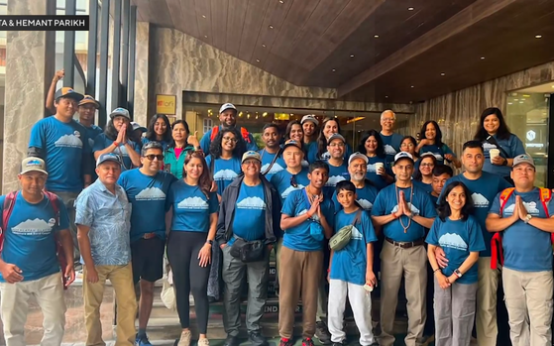 Himalayan Pilgrimage: A Couple’s Narrow Escape and Lingering Questions
  Religious Trends: Decline in Affiliation with LDS Church
  UC Berkeley Student’s Harrowing Encounter Raises Questions About Safety and Legal Protections
  Tinley Park Updates Downtown Parking Rules Amid Increased Congestion