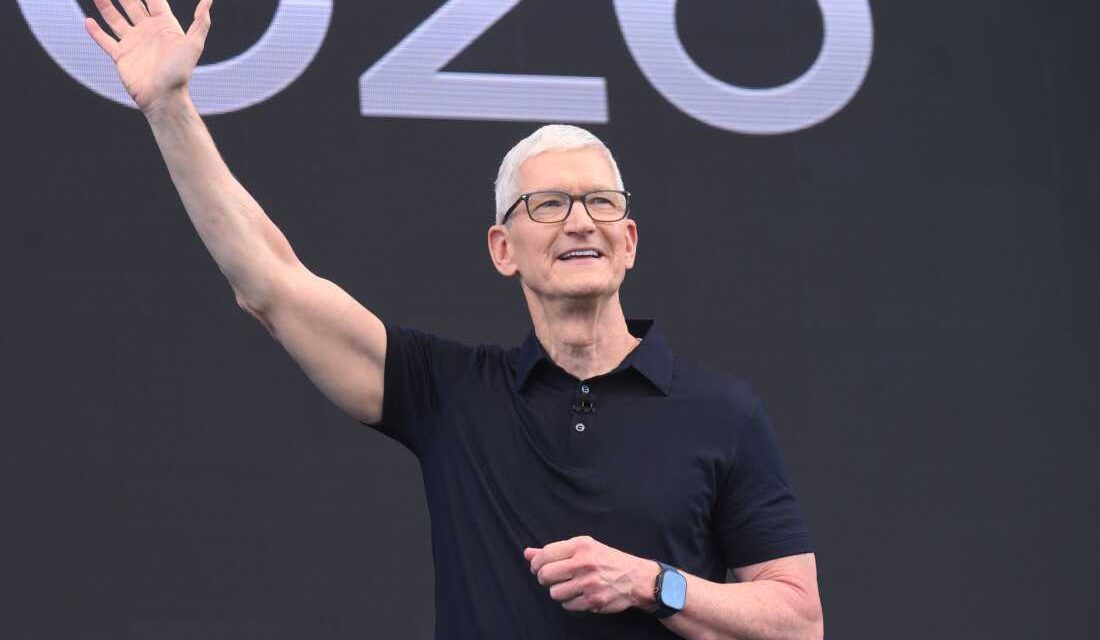
CEO Tim Cook made an appearance at Apple’s Worldwide Developers Conference (WWDC) in Cupertino, California, on June 8, 2026. Apple revealed an update to its digital assistant, Siri, alongside changes in its operating systems to integrate artificial intelligence more deeply. However, the announcement led to a close to 2% drop in Apple’s share price. Analysts expressed potential in these changes, yet consumer reception remains uncertain until the public release later this year.
Siri’s Upgrade and AI Integration
The revamp of Siri follows delays that led to doubts about Apple’s commitment to AI, overshadowed by advancements like chatbots. At WWDC, Craig Federighi, Apple’s senior vice president for software design, emphasized user-centric AI and privacy protection. He contrasted Apple’s strategy with others racing ahead without focusing on serving users’ needs.
While OpenAI’s ChatGPT and Anthropic’s Claude have impressed users with complex interactions, Siri has lagged. Apple’s demonstration of Siri’s update included new features. The revamped ‘Siri AI’ will be accessible through a standalone app and various Apple device functions. It will draw on cloud networks and personal data from Apple devices, such as email and text message history. Demonstrations highlighted Siri AI locating information online, offering menu recommendations, and organizing photos.
Industry Perceptions and Expectations
Ben Bajarin, Creative Strategies CEO, noted the low bar for improving Siri’s current features, positioning Apple to leverage its wide user base. He praised the changes as significant and anticipates seamless integration into existing consumer activities. Still, he acknowledged that practical execution will prove critical.
Francisco Jeronimo from IDC implied Apple’s intention to embed AI within its operating system, not making AI interaction the center for users. He suggested that if Apple delivers a natural, private AI experience, it could strengthen its ecosystem and reshape user expectations for all devices. Siri AI will initially launch in the US in English, with additional languages following; EU and China releases await regulatory alignment.
Strategic Collaborations and Forward-Looking Statements
Google and Apple announced a collaboration using Google’s Gemini AI model for Apple’s systems. Daniel Newman from Futurum Group stressed the need for Apple to prove its capabilities, noting muted investor reactions but acknowledging Apple’s potential advantage by using Google’s developments. Additionally, Apple introduced new parental controls on app use, emphasizing protection amid AI and social media-related lawsuits concerning minors.
Tim Cook’s Transition and Legacy
Tim Cook, set to leave the CEO position in September, opened and closed the WWDC session with brief remarks. Cook will pass leadership to John Ternus, a leader in developing Apple’s hardware. In his announcement, Cook praised Ternus for his engineering mind and leadership qualities. Cook’s tenure saw significant Apple growth with a 2,000% stock price increase and the expansion of revenue services like Apple Pay and custom microchips. Despite criticism for reliance on Chinese manufacturing, Cook maintains a vision of ongoing innovation for Apple.
Cook expressed hope for Apple’s future, attributing success to teams whose innovation continues to impact lives positively.
 First Lady Melania Trump’s AI Education Push Amid Concerns
  Expansion of Data Centers Fueled by AI Development
  Beijing’s Tactical Undermining of U.S. Supremacy Through AI
 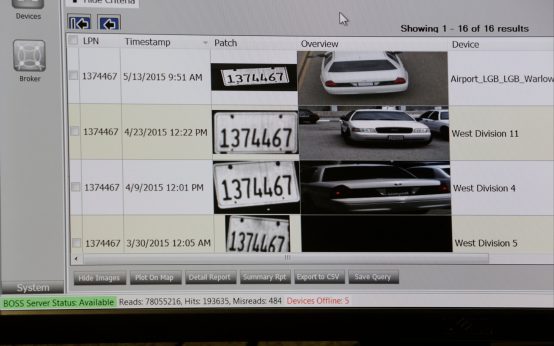 Controversy Surrounds Automated License Plate Readers Across the U.S.
 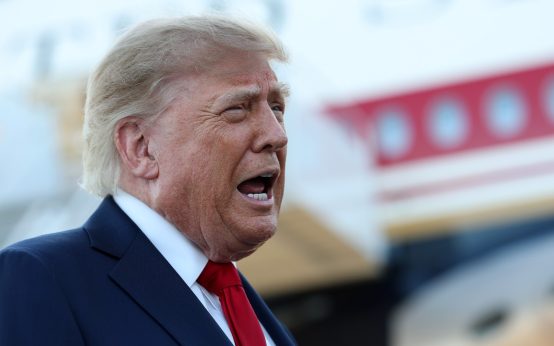 Trump and Harp Sued Over Truth Social Subscriber Program
  Implications of AI in College Admissions