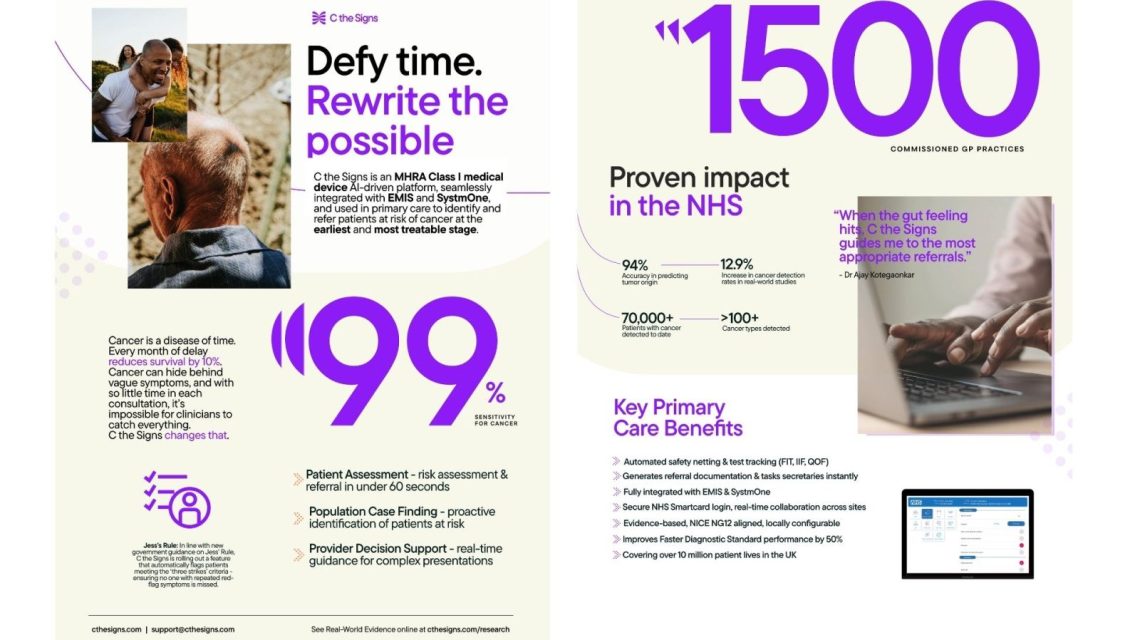
A new medical tool designed to identify early cancer risk in patients is under review by the FDA. Developed by the company behind C the Signs, this device aims to help clinicians identify potential cancer risks by analyzing patient medical records. There is no need for additional tests or imaging. The goal is to refer patients at risk during the earliest, most treatable stages of cancer.
Usage in the UK Health System
Currently, C the Signs is used by over 11,000 healthcare professionals within the UK’s National Health Service (NHS). The tool has detected approximately 75,000 cancer patients so far. It has also reduced diagnostic timelines by 21%. According to Dr. Bea Bakshi, co-founder and CEO, the FDA found this to be a novel device. They are pursuing a De Novo classification. This classification suits novel, low-to-moderate-risk devices with no predicates, potentially making it the first of its kind approved in the U.S.
While awaiting FDA approval, the company plans to offer 250,000 Americans a chance to use the tool as part of a study, Bakshi informed Newsweek. When asked about the tool, an HHS spokesperson refrained from commenting on pending applications.
How the Tool Functions
Cancer screening in both the U.S. and UK covers only a small fraction of the existing 200 cancer types. Patients often face extended and complex journeys to diagnosis, including numerous appointments. The device rapidly scans a patient’s medical history, noting consulting notes, past prescriptions, and trends from prior tests. Small changes, such as a gradual increase in specific white blood cells, could indicate early cancer risk when viewed over years.
“All of those data points tell a story,” Bakshi explained. Many people miss early-stage detection during initial doctor visits, highlighting why C the Signs eliminates guesswork. For each patient, the device identifies the right care path. This proactive detection occurs even before visible symptoms, like lumps in breast cancer, appear.
The tool contains diverse models for each cancer type, increasing accuracy. It boasts a 99% negative predictive value, along with 94% accuracy in identifying tumor origins. Once completed, clinicians act on recommendations for further assessment and testing.
Impact in the U.S.
Gregory Simon, C the Signs’ U.S. adviser, highlighted economic burdens on both patients and the U.S. healthcare system. “C the Signs provides early, accurate detection of more cancers than other tests,” Simon told Newsweek. The tool is affordable, facilitating straightforward screening that can save lives.
Simon mentioned complexities in a nationwide rollout due to the U.S. multipayer system. He suggested engaging early adopters in the cancer care ecosystem. Direct consumer marketing could also promote the tool’s low cost and life-saving potential.
Expert Opinions
Anant Madabhushi, from Emory University’s Empathetic AI for Health Institute, expressed cautious optimism about C the Signs. He noted the potential for the tool to expand cancer screening reach in underserved communities. However, he emphasized the need for U.S. population validation due to different EHR standards and care pathways compared to the NHS.
Mayo Clinic studies have validated the tool on U.S. populations. Records from 1 million patients in Arizona, Minnesota, and Florida showed patients could be identified years before a doctor’s diagnosis. Madabhushi warned that success involves not only detection but also clear follow-up procedures.
Diverging thoughts emerged from Harvard’s David Walt, who expressed concerns over psychological stress from potential false positives in similar AI systems. Broader feedback signals the need for rigorous assessment of benefits versus drawbacks.
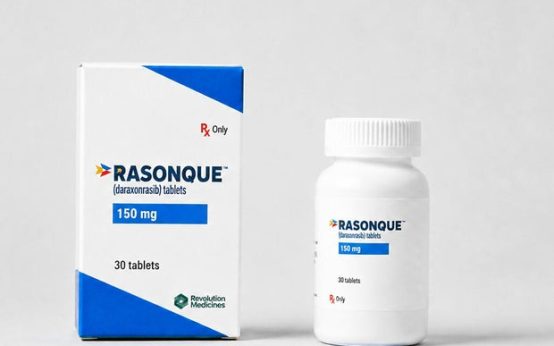 FDA Approves New Pill for Advanced Pancreatic Cancer
  Low Vaccination Rates and Rising Measles Epidemic
  Study Reveals Long-Term Health Impact of Maui Wildfire
  Understanding IVF Costs and Shared Risk Programs
  Kennedy and Shapiro Clash Over Vaccine Stance
  FDA Gives Green Light to Breakthrough Pancreatic Cancer Pill