
The American Association for Cancer Research reported that cancer death rates in the U.S. have decreased by 35% over the past 35 years. This decline has prevented nearly 5 million cancer deaths since 1991, mainly due to enhanced screening and advancements in cancer treatments.
Disparities in Cancer Death Rates
Despite the decline, not all communities have benefitted equally. African American, American Indian, and Alaska Native populations face the highest overall cancer death rates among U.S. racial and ethnic groups. According to Mariana Stern, the report chair and a professor at the Keck School of Medicine of the University of Southern California, these groups experience higher incidence and mortality for several cancers.
Black Americans have historically had higher cancer death rates compared to whites, although the gap is closing. However, they are still twice as likely to die from multiple myeloma and cancers of the stomach, prostate, and gallbladder. Black women also face a 35% higher mortality rate from breast cancer compared to white women. Colorectal cancer, which is increasing among those under 50, also shows higher mortality among Black and American Indian/Alaska Native populations compared to whites.
Screening and Prevention Issues
Colorectal cancer screening has prevented 79% of potential deaths. During a colonoscopy, doctors can remove precancerous polyps. The average risk screening should start at age 45. However, screening rates lag among non-white populations. In 2023, only 53% of Hispanic, and 57% of Asian and American Indian/Alaska Native people were up to date with colonoscopies, compared to 67% of white individuals.
There has been a noticeable rise in early-onset colorectal cancer among Hispanics. Alex Valdez, diagnosed with colorectal cancer at 38 during a check for ulcerative colitis and Crohn’s disease, underscores the need for timely screenings. He highlights the misconception that colonoscopies are only necessary from mid-40s.
Access to Screening and Treatment Barriers
Screening disparities extend to cervical cancer as well. Rates are particularly lower among Asian and Hispanic women compared to white women. Women from poorer counties are less likely to be screened regularly, with cervical cancer incidence 32% higher in those areas compared to affluent places.
The HPV vaccine effectively prevents cervical cancer. According to Dr. Sarah Kim from Memorial Sloan Kettering Cancer Center, accessibility to the vaccine is high, as it is available at pharmacies without a prescription.
The disparities in cancer diagnoses and death rates are influenced by systemic racism and socioeconomic factors affecting health and quality of life. Even with advances in cancer treatment, minority and underserved populations face challenges obtaining recommended care.
Healthcare Access and the Role of Patient Navigators
Access to healthcare remains a concern with many unable to afford it, as shown by a 5 million enrollment drop in Medicaid and the Affordable Care Act over the past year. Stern highlights the importance of patient navigators who help patients overcome healthcare barriers. These navigators have proven effective in improving access to care.
Potential future cuts to programs supporting these roles pose a threat to continued progress. The current administration’s proposal to reduce the NIH budget and eliminate the National Institute of Minority and Health Disparities marks a concerning development.
 Upcoming Concerns and Influence in Health Politics
  Fraud Task Force Saves Billions by Tackling Obamacare Misuse
  Presley Gerber’s Passing Raises Addiction Recovery Concerns
 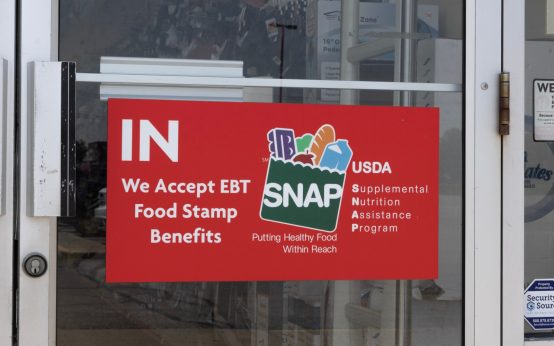 Understanding October SNAP Benefits: Payment Dates and Changes
  Managing Distress and Discomfort Effectively
  Trump Administration Seeks to Influence NIH Grantmaking