The deck beneath my feet retains the warmth of the day’s sun. We are anchored off Antigua, where water sparkles and the air holds a hint of salt and sweetness. A glass of Sancerre in my hand lightly sweats. The breeze moves across my skin on this yacht’s deck, and I am as relaxed here as in my own home. Such ease is a rare occurrence, given how few people experience a moment like this and feel truly at home in it. This situation emerged from an unexpected friendship that taught me profound truths about humanity and belonging.
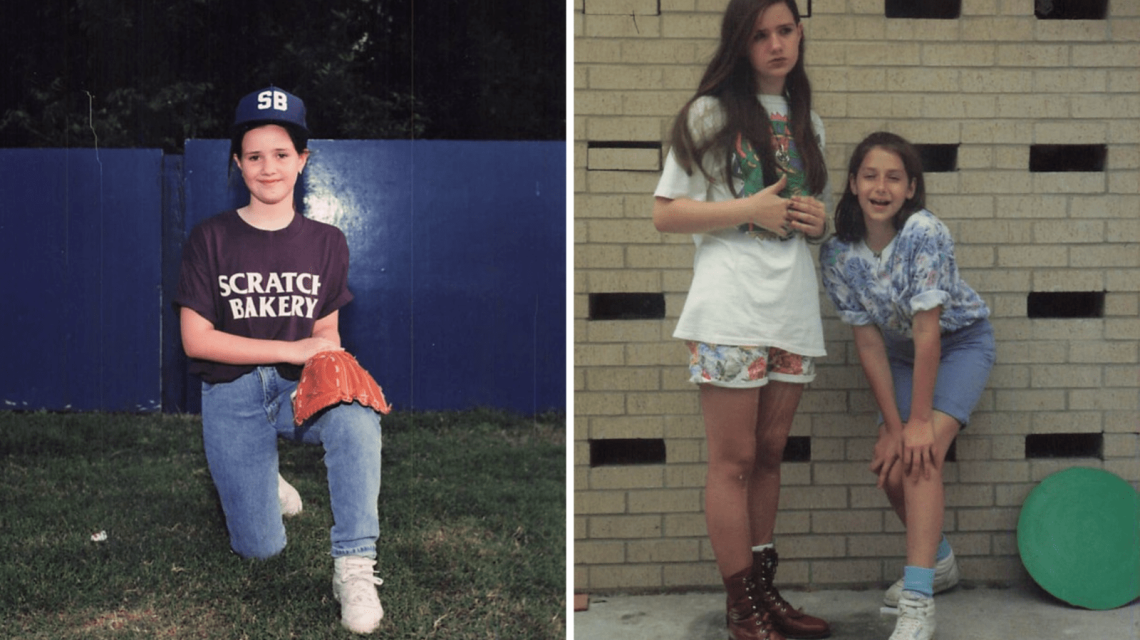
At age 12, I met Jimbo, a 34-year-old Vietnam veteran. It was a challenging time for me; I felt despondent and disconnected, having stopped caring about anything. My father had taken his own life, and my mother struggled with her grief while trying to care for three children in our San Antonio, Texas home. We frequently experienced utility shut-offs due to poverty. Yet, the deepest hardship arose from the unspoken grief weighing heavily on us. We mourned separately, each learning to survive independently.
Our collapsing home stood within the boundaries of the city’s wealthiest school district. At school, I needed empathy and motivation but found only a culture obsessed with reputation and appearances, which suffocated me. In fourth grade, as my friends wore designer clothes, my confidence broke while I rotated the same hand-me-downs. By fifth grade, a bully emerged, questioning my attire and father’s absence. Speculation surrounded my life, with intrusive questions about my family and home. This contrast between home and school was overwhelming. Frustration boiled over at the emptiness of plenty I experienced, as it felt like a farce. I eventually chose rebellion, skipping school, drinking, and trying drugs before ultimately dropping out.
Despite this, my sister and I often talked about becoming “hobos” in Venice Beach. When she met a man with a beer behind a store and invited him home, it was no surprise. I returned to a backyard scene with Jimbo, a man exuding warmth and humor, despite his scruffy beard and a boombox playing ’70s rock. His captivating stories of his adventures included touring with REO Speedwagon and his Vietnam experiences, never certain if all were true. Nonetheless, he was present, full of laughter, and encouraged my spirited anger. He nicknamed me “Little Bit.” Our bond was built on trust and acceptance, as he didn’t dismiss my perspective.
You tell ’em, Little Bit!
Jimbo became part father, part partner-in-crime as we created makeshift camps. With creative names like “Hoochie Man Trail” and “The Green Room,” these spots became refuges for our ragtag group. Gathering beneath trees with campfires and dumpster-found green carpet floors, we shared laughter, poetry, music, and cheese sandwiches with mustard paired with malt liquor.
To some, a young girl drinking with a homeless veteran may seem bleak, yet we reveled in a constant camaraderie, calling ourselves the Copacetic Club. Jimbo, wary due to PTSD, assigned arrival announcements at camps, “Incoming!” followed by numbers. My number two status brought me joy and a sense of place. Each member had struggles, but the camaraderie temporarily replaced those burdens with laughter and freedom.
In time, at 14, I drifted away, finding employment and returning to school. By 19, seeing Jimbo again showed his decline in health due to alcoholism, whereas my life had moved toward a successful path in the music industry. Our connection had changed irreversibly. I last saw him then, before his passing at age 42. He was laid to rest at Fort Sam Houston National Cemetery.
My perspective evolved as I began working with influential figures, seeing that beneath their facades lay the same fears and desires for understanding I once felt. Jimbo’s influence helped me see beyond appearances, revealing that wealth and homelessness hid similar vulnerabilities. His lessons broke down the superficial walls that society constructed, emphasizing the simple truth that real connections defy societal expectations and categories.
The friendship with Jimbo taught me how profound belonging and love come when we abandon insisting on separation. Jimbo’s acceptance carried me through tough times and into an unexpected comfort in circles I once resented. I now value friendships for their revival power, cherishing Jimbo’s enduring impact on my journey from hardship to comfort.
Meghan Cathlin is the founder of Considerate Ventures, author of ‘Leading With the Heart’ and the host of the podcast ‘Heart Led.’
All views expressed in this article are the author’s own.
 Exploring Professional Fulfillment: Sean McVay and Tom Brady’s Journey Beyond Success
  Understanding the Journey of FTD and ALS Through Personal Experience
  Ancient Human Remains Found During Home Renovation
  A Woman’s Battle with Rare Medical Conditions: Advocating for Awareness
  Woman Captures Unexpected Sturgeon Encounter in Florida River
  Melinda French Gates Shifts Philanthropic Focus to Midlife Care for Women