
Christine Regal, from Plainfield, New Jersey, always aspired to be a teacher. “I just love working with kids,” she said. Regal, 54, has been teaching for 26 years and stays connected with many former students.
To make ends meet, Regal has taken on several side jobs. She handles breakfast and lunch duties at her school, tutors after school, and works part-time at the Cheesecake Factory.
The Walton Family Foundation-Gallup Teaching for Tomorrow report indicated that 21% of K-12 public school teachers are financially struggling, with 71% working at least one additional job.
Recent economic challenges exacerbate these financial issues. The Labor Department announced an annual inflation rate of 4.2% for May, the highest since April 2023. Regal feels the impact; she spent $70 on gas and $160 on groceries for just two bags.
As summer arrives, Regal plans to continue waitressing. She also budgets for school supplies, spending $1,500 annually from her own funds. Her co-teacher shares these costs, but tighter financial constraints loom due to her co-teacher’s recent family addition.
Looking ahead, Regal hopes to retire at 60. Meanwhile, she aims to save as much as possible, hoping for improved circumstances by then.
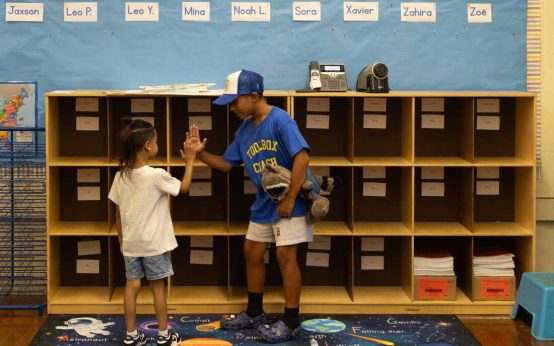 First Day of School Traditions Across the U.S.
 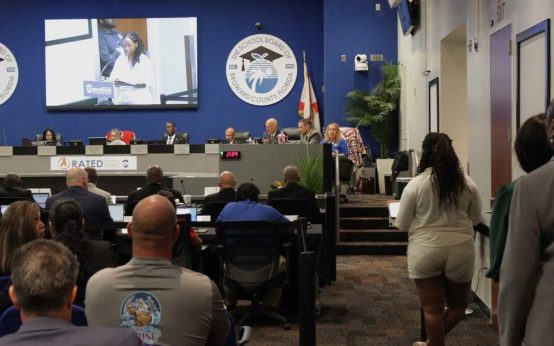 Event with Author Cancelled Due to Controversial Past Statements
 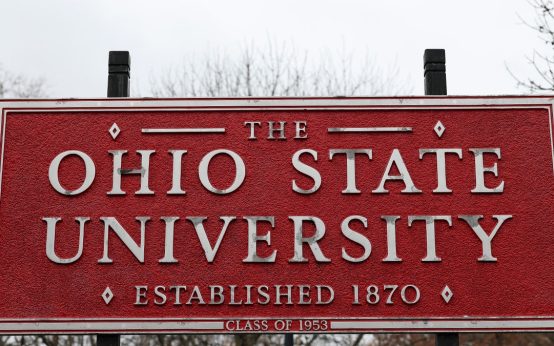 Ohio State University Faces Allegations of Incomplete Disclosure of Foreign Ties
  Success Academy Sues NY State Over AP Exam Data
  Chronic Absenteeism Linked to Educational Decline
 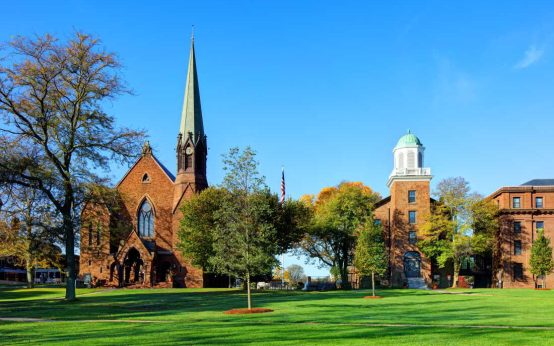 Wesleyan University President Responds to Proposed Changes in Tax-Exempt Status