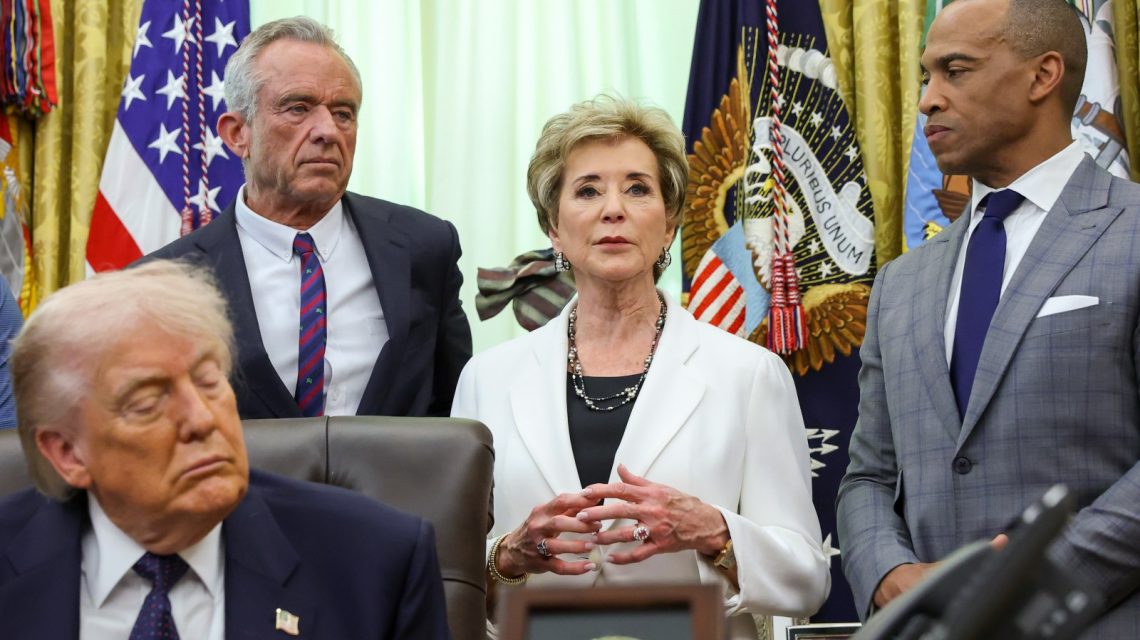
Many Americans with federal student loans will experience major changes starting July 1. These adjustments are linked to new regulations from the One Big Beautiful Bill Act under President Donald Trump. This marks one of the most substantial shifts in the U.S. student loan system in recent years.
Why These Changes Are Important
Over 40 million Americans hold federal student loan debt. Experts predict the July 1 changes will significantly impact monthly payments, borrowing choices, and long-term repayment strategies. Some borrowers might face higher monthly payments or fewer forgiveness options, while new borrowers will confront stricter borrowing caps.
Detailed Overview of Student Loan Changes Starting July 1
Newsweek has compiled the key rule changes set to take effect on July 1:
1. Introduction of the Repayment Assistance Plan (RAP)
A new income-driven repayment option, RAP, will be introduced. Payments range between approximately 1 percent to 10 percent of income, based on earnings. Forgiveness is offered after 30 years of payments. Features include interest support and principal reduction incentives. While RAP replaces existing income-driven plans, long-term borrowing costs might increase.
According to Alex Beene, from the University of Tennessee at Martin, July 1 will initiate these changes. Borrowers on repayment assistance plans will transition to one consolidated income-based repayment plan where a minimum monthly payment is required.
2. SAVE Plan Ends and Borrowers Must Change
The SAVE repayment plan from the Biden era is ending due to court rulings and a federal settlement. About 7 million borrowers will need to switch plans, with loan servicers sending 90-day notices starting July 1. Those who don’t select a plan will be automatically moved to a standard repayment option, which will likely increase monthly payments for those leaving SAVE.
3. Phasing Out Most Income-Driven Plans
Several legacy repayment plans, including PAYE and ICR, will close to new borrowers from July 1. These plans will fully phase out by 2028, with IBR remaining as the core option for current borrowers. New borrowers will mainly choose between RAP and a standard plan.
4. Tightened Borrowing Limits for Students and Parents
Starting in July, new caps will restrict federal loan amounts. Parent PLUS loans will be capped at $20,000 per year, with a $65,000 lifetime limit per student. Graduate and professional students face a $20,500 annual limit and a $100,000 lifetime cap. This may lead families to consider private loans at higher interest rates.
Kevin Thompson, CEO of 9i Capital Group, notes the cost impact due to higher interest rates and borrowing caps, which might compel many to either forgo higher learning or opt for private loans.
5. Grad PLUS Loans No Longer Available for New Borrowers
Grad PLUS loans will cease for new graduate students enrolling in programs from July 1. Existing borrowers might continue under current terms, depending on their situations.
6. Modifications to Public Service Loan Forgiveness (PSLF)
Updates to the PSLF program will redefine which employers qualify. Certain organizations might be excluded from eligibility as Education Secretary Linda McMahon will have authority to disqualify employers found with a “substantial illegal purpose.”
7. New Auto-Pay Interest Rate Incentive
The Department of Education announced a 1 percent interest rate reduction for borrowers using auto-pay. Under Secretary Nicholas Kent stated this measure under the Trump Administration aims to simplify student loan repayment. This incentive will last through June 30, 2028, for eligible borrowers.
What Comes Next
Borrowers, particularly those enrolled in SAVE, are expected to receive notifications starting July 1. They typically have 90 days to select a new repayment plan. Failure to act could lead to automatic assignment to a standard plan, potentially resulting in higher monthly payments and limited benefits.
 AFL Investigates Fairfax County Schools’ 9/11 Teaching Guidance
  Challenging the ‘Trust the Experts’ Narrative in School Libraries
  Implications of AI in College Admissions
  Preparing Students for an AI-Shaped Workforce
  Concerns Over Racism and School Funding Inequality Discussed by ‘The View’ Co-Host
  Nikole Hannah-Jones’ Reflection on School Integration and the Impact on Her Daughter