
You woke up in severe pain one February morning in 2023. It felt like a stabbing in your side. Visits to the emergency room revealed lesions, indicators of multiple myeloma. This blood cancer attacks bones, creating holes. Additional scans indicated countless lesions and fractures throughout your body.
Facing the Diagnosis
After discovering no cure existed, you sought fresh air outside the ER. Online searches revealed outdated information. However, modern treatments extended many patients’ lives, aided by a drug with a challenging history—thalidomide.
The Medicine’s History
Thalidomide, once infamous for causing severe birth defects when prescribed to pregnant women, later transformed into a potent cancer treatment. Revlimid, a derivative of thalidomide, emerged as a successful therapy, selling over $100 billion worldwide. Despite its benefits, the nearly $1,000-a-day cost saddled many patients with financial burdens.
Navigating Challenges
Your experience reporting on exorbitant health care costs highlights tactics drug companies use to maintain high prices. This echoed with Revlimid’s price hikes—26 increases since its launch. This challenges patients, insurers, and the system.
An Introduction to Barlogie’s Method
In 1995, a pivotal moment arose when Beth and Ira Wolmer sought treatment for Ira’s multiple myeloma. Through Dr. Barlogie’s innovative methods, a tandem stem cell transplant offered hope despite Ira’s condition worsening over time.
Introducing Thalidomide
Faced with dire options, the couple explored thalidomide. Dr. Judah Folkman’s research on blocking blood vessel growth led to findings connecting thalidomide to cancer treatment theory. Though the drug didn’t save Ira, it helped another patient, signaling a breakthrough.
Celgene’s New Path
Celgene, a struggling company, acquired thalidomide rights. They converted Thalomid into Revlimid over time, harnessing science and patent law. They faced challenges, including generics threatening their market.
Price Hikes and Ethical Debates
Celgene’s substantial price increases on Revlimid sparked discussion. Despite warnings from regulators like the FDA, manipulation of safety programs stalled generic competition. Revelations of ties to doctors and patient groups surfaced.
The Battle Continues
Celgene and later Bristol Myers Squibb continued with soaring prices. While patient assistance programs exist, many struggle to afford Revlimid.
Your journey navigates an expensive and intricate health care system. Continual advancements offer hope, but high costs remain a substantial concern.
 Recall of Meat Products from Star Meat Delivery Inc.
  Questions Arise After Presley Gerber’s Death in Rehab
  Upcoming Concerns and Influence in Health Politics
  Fraud Task Force Saves Billions by Tackling Obamacare Misuse
  Presley Gerber’s Passing Raises Addiction Recovery Concerns
 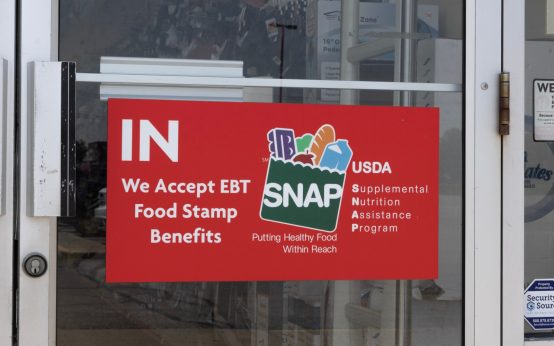 Understanding October SNAP Benefits: Payment Dates and Changes