
The World Cup, which began in Mexico City, is being touted as the most ambitious in history. With an expansion to 48 teams and 104 matches over 39 days, it is set in 16 cities across the U.S., Mexico, and Canada. Despite its scale, the tournament has stirred more anxiety than enthusiasm, marked by controversies that threaten its legacy.
Political Tensions and Travel Issues
Jules Boykoff, a political science professor, views this World Cup as extraordinarily politically charged. The relationships among the host countries have been tense due to U.S. tariff policies and border security issues. Several travel bans have restricted potential visitors, including support and match officials, from entering the U.S.
Iran, a tournament participant, has a particularly strained relationship with the U.S. due to ongoing conflicts. As a result, Iranian journalists and support staff have faced visa denials, and Iran had to relocate its training base from Tucson to Tijuana. Similar issues have affected players and journalists from other countries, including Senegal, Uzbekistan, and Iraq.
High Costs and Public Disinterest
The tournament’s ticket prices have been so steep and the lottery process so unclear that investigations into FIFA’s practices have begun. According to a YouGov poll, a majority of Americans are uninterested, with nearly 60% not planning to watch any matches.
FIFA President Gianni Infantino remains confident, describing this as the most inclusive World Cup. He predicts strong financial returns and widespread TV viewership, yet skepticism persists.
Historical Precedents
This is not the only World Cup starting under troubling circumstances. Past tournaments have faced geopolitical and social issues, but the focus often shifts to the brilliance of the sport.
Well-known players like Lionel Messi and Cristiano Ronaldo are competing, while new talents aim to make their mark. Teams like Jordan and Uzbekistan are first-time participants, adding fresh narratives.
Security Concerns and Economic Impact
Security around the tournament is heightened, with travel restrictions from the U.S. affecting tourism and hotel bookings falling short. The presence of federal agents and concerns over immigration enforcement add to fears.
FIFA’s decisions on ticket prices and game schedules have faced criticism. While variable pricing aims to boost revenue for soccer development, weather conditions pose risks, with some matches scheduled during the hottest parts of the day to suit European audiences.
Focus on Field Performance
Steve Georgakis, a sports studies lecturer, believes the World Cup’s ultimate success will rely on the quality of the soccer. Compelling play can overshadow off-field controversies and cement this tournament’s place in history.
The narrative of this World Cup is still forming, with its legacy hinging on events both on and off the field.
 Chicago White Sox’s 2026 Success and Team Dynamics
  Trump Delivers Warning to Iran, Cuba at UN General Assembly
  Indiana Fever Bounce Back with Win Against Minnesota Lynx
 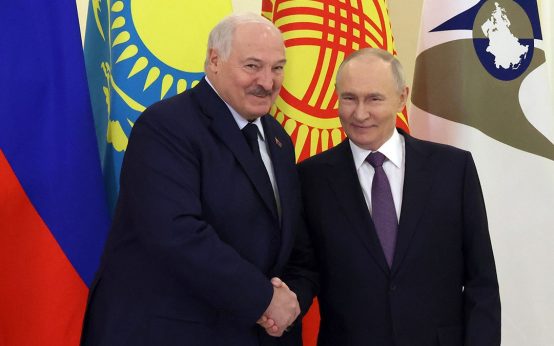 Lukashenko and Putin’s Unique Relationship and Belarus’ Strategic Role
  Kurt Angle Reflects on His TNA Wrestling Career
  Alan Ritchson Faces Backlash Over Political Remarks