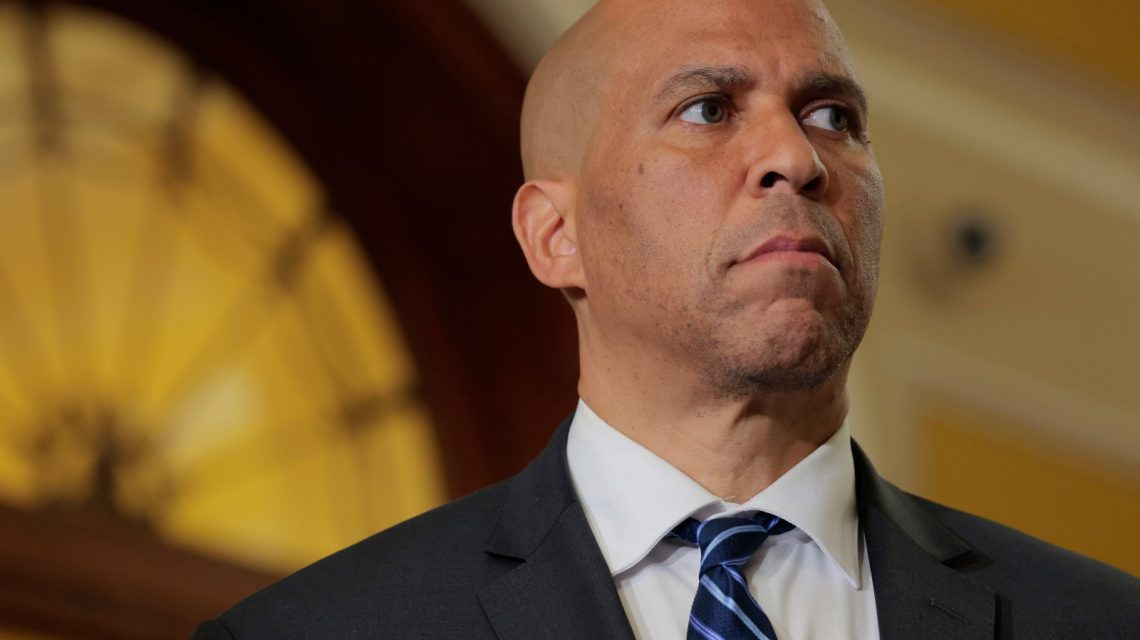
Senator Cory Booker voiced his support for ending the U.S. conflict with Iran while opposing the Trump administration’s 60-day interim agreement. He argued that the agreement provides Iran with significant economic relief without achieving lasting concessions. Speaking on NBC News’ Meet the Press, Booker highlighted a distinction between ending the conflict and the manner in which the U.S. is exiting it. He warned that the current strategy reduces American leverage at a crucial time.
Booker’s stance opposes both the administration and some Democrats on what a successful conclusion to the conflict should entail. It aligns him with conservative critics who contend that the deal is overly beneficial to Iran.
Clash With Carville Over ‘Credit’
The disagreement surfaced when Booker was asked about comments from Democratic strategist James Carville. Carville, speaking on NewsNation’s Cuomo, credited President Trump for ending the conflict, despite describing it as a mistake. Carville labeled the interim agreement an “instrument of surrender” but noted that exiting a failing conflict can be appropriate.
“Let’s give Trump credit where credit’s due,” Carville stated. “He did what Lyndon Johnson did not do in Vietnam. Just get out. He didn’t do what [George W.] Bush and even Obama did in Afghanistan. Just get out.”
Booker opposed this view, denying any credit for Trump. He likened giving Trump credit to rewarding an arsonist for escaping a fire they started.
“This president has led this nation into a disaster. We have surrendered our power. We have capitulated to the enemy,” Booker said.
‘Abject Surrender’
Booker criticized the interim agreement as one-sided.
“I do not support this deal that he made which was an abject surrender,” he insisted, citing Iran’s receipt of “billions and billions of dollars.”
He mentioned Iranian leaders feel victorious, portraying Trump as the biggest loser on the world stage. Booker emphasized his votes for War Powers resolutions aimed at a strategic U.S. withdrawal and criticized Trump’s exit from the 2015 nuclear deal.
Details of the Interim Agreement
The agreement, structured as a memorandum of understanding, seeks to halt hostilities while negotiators pursue a broader deal. Key components include:
- Iran reaffirming it won’t develop nuclear weapons
- Reopening the Strait of Hormuz, resuming global oil transit
- Reducing U.S. naval blockades
- Potential sanctions relief, providing Iran access to considerable financial resources
- Stopping major military activities on several fronts
Critics argue the agreement benefits Iran early without strong guarantees. Supporters see it as a temporary arrangement to test compliance and prevent escalation.
The Trump administration defended the agreement as a pragmatic step after prolonged conflict. White House spokeswoman Olivia Wales told Newsweek:
“President Trump and his negotiating team have brokered an excellent, performance-based MOU that advances the interests of the United States by ending the fighting, reopening the Strait of Hormuz to significantly lower energy prices, and forcing Iran to commit to abandon its nuclear ambitions.”
Conservative Opposition
Criticism also emerged from conservative figures, including Republican lawmakers. Senator Bill Cassidy posted his skepticism about the deal’s structure on Wednesday.
“Iran’s nuclear ambitions were not curbed, and they have learned that threatening the Strait of Hormuz works and will undoubtedly leverage it in the future,” Cassidy noted. “Now, Iran gets to build brand-new infrastructure under this deal. Before the war, the strait was open, Iran was being crushed by sanctions, and 13 service members were still alive. Now, 13 Americans are dead, families have paid billions at the pump, sanctions will be lifted, and the bombing has stopped. This is the worst foreign policy blunder in decades.”
Former Vice President Mike Pence criticized the deal for lacking firm commitments on Iran’s nuclear program and support for regional proxies. Rupert Murdoch-controlled media, including Fox News and the Wall Street Journal, offered critical coverage.
Booker concluded by noting bipartisan opposition: “When you have Democrats and Republicans, conservatives and progressives, all coming out talking about capitulation, surrender, catastrophe, you know how bad this deal is.”
 Controversy Surrounds FBI’s Surveillance of Trump Family and Aides
  Republicans Warn of Future Court Implications if Democrats Take Senate
  Political Dynamics: Biden’s Role in the Midterm Campaign
  East Dundee Village President Dan Pearson Censured Over Oktoberfest Incident
  Potential Visa Fraud in Georgia’s Battleground District
  VP Vance Advocates for Enhanced US Shipbuilding in Texas